Understanding the Process of Warrants Execution in Kenya
The process of warrants execution in Kenya is a critical phase in the legal recovery of debts or enforcement of court orders. Once a judgment or decree is obtained, its effective enforcement often relies on the issuance and proper execution of various warrants. These legal instruments empower enforcement officers, typically licensed auctioneers or court bailiffs, to take specific actions against a judgment debtor's property or person to satisfy the decree. Governed primarily by the Civil Procedure Act (Cap 21) and the Civil Procedure Rules, understanding the intricacies of these procedures is vital for successful debt recovery. Swipe Recoveries Experts Ltd specializes in navigating these complex legal processes, ensuring efficient and compliant warrants execution across Kenya.
Legal Framework for Warrants Execution under Kenyan Law
The framework for warrants execution in Kenya is robustly established under the Civil Procedure Act (Cap 21) and its accompanying Civil Procedure Rules. These statutes provide the legal basis for various types of warrants, which include warrants of attachment of movable property, warrants of attachment of immovable property, warrants of arrest, and warrants of possession. A judgment creditor, having obtained a favorable judgment (decree) from the High Court or a Magistrate's Court, applies to the court for the issuance of the appropriate warrant. The warrant serves as an official directive, authorizing a court-appointed enforcement officer (such as a licensed auctioneer from the Auctioneers Licensing Board) to act. For instance, an application for a warrant of attachment of movable property specifies the assets to be seized, while a warrant of attachment of immovable property, often land, requires specific registration procedures at the Lands Registry to prevent transfer. Compliance with strict timelines and documentation requirements, including the filing of an affidavit in support of the application, is paramount for the validity and enforceability of the warrant. Swipe Recoveries Experts Ltd meticulously handles all legal documentation to ensure compliance.

Practical Steps and Challenges in Executing Warrants Across Kenya
The practical process of warrants execution in Kenya begins with the application for and issuance of the warrant by the relevant court (e.g., Nairobi Law Courts for cases originating in Nairobi). Once issued, the warrant is delivered to a licensed auctioneer or court bailiff for implementation. For a warrant of attachment of movable property, the auctioneer proceeds to identify and seize assets belonging to the judgment debtor, following strict inventory procedures. These assets are then stored and subsequently sold by public auction if the debt remains unpaid, adhering to the Auctioneers Act Cap 526. Challenges often arise in identifying and locating debtor assets, especially for elusive debtors, a service where Skip Tracing expertise becomes invaluable. For warrants of attachment of immovable property, the process involves notifying the relevant Land Registry of the attachment and advertising the intended sale. Execution of warrants of arrest for civil debt is less common but can be applied in specific circumstances, such as willful default. Throughout the process, the enforcement officer must ensure compliance with the Constitution of Kenya, 2010, regarding property rights and due process. Swipe Recoveries Experts Ltd's extensive network and experience in debt surveillance and asset searches are critical to overcoming these execution challenges.
Debt Recovery & Auctioneering Coverage in Kenya
Swipe Recoveries Experts Ltd provides commercial recovery, skip tracing, and auctioneering services across Kenya and all 47 counties in Kenya.
Cost Implications and Expert Support for Warrants Execution
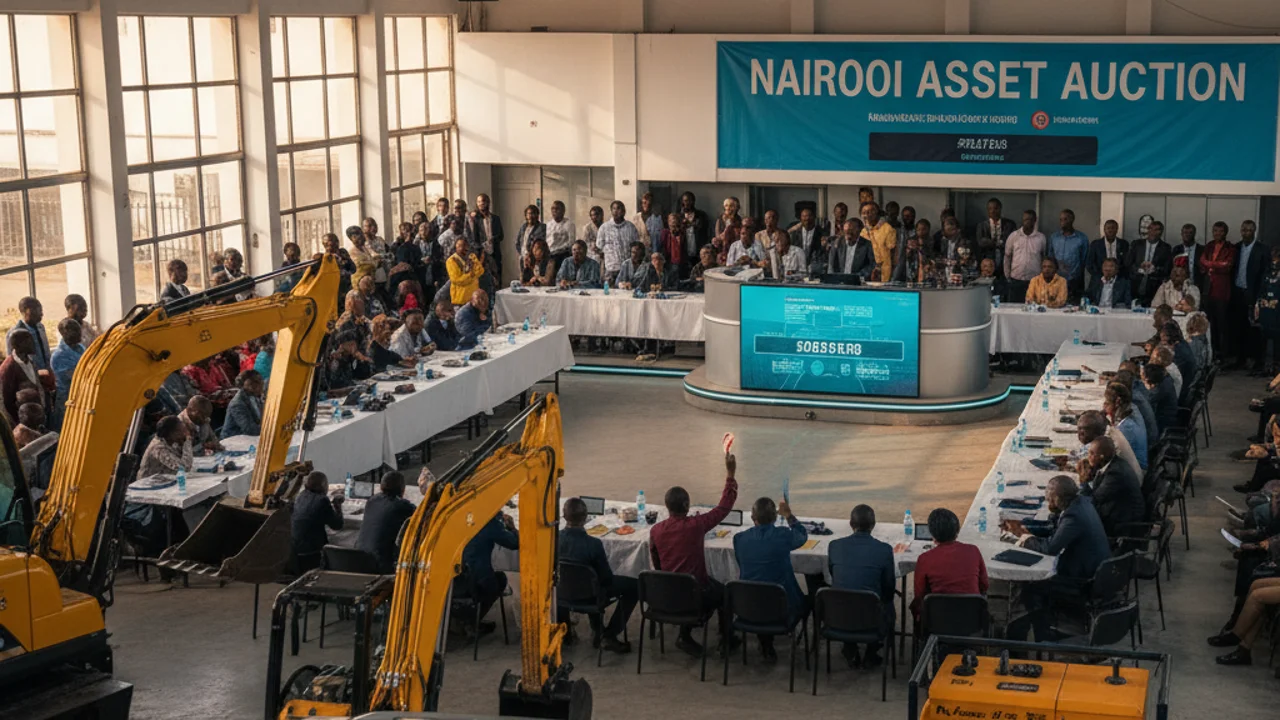
The costs associated with warrants execution in Kenya can vary significantly depending on the nature of the warrant, the complexity of the case, and the assets involved. Key expenses include court filing fees for warrant applications (e.g., KES 1,000-5,000 per application), service fees for bailiffs or process servers (KES 1,000-3,000), and auctioneer's fees, which are typically a commission based on the value of assets recovered or sold. For example, auctioneer fees for movable property can be up to 5% of the sale price, while for immovable property, it might be 2.5% on the first KES 1,000,000 and 1.5% on the remainder. Additional costs may include valuation fees, storage costs for seized assets (e.g., KES 1,000-3,000 per day for vehicles), advertising costs for property sales (ranging from KES 20,000-150,000+ for national dailies), and transport logistics for assets. Swipe Recoveries Experts Ltd provides transparent cost breakdowns and strategic advice to minimize execution expenses while maximizing recovery. Our team offers expertise in asset searches and meticulous documentation from our offices at International Life Hse, Mama Ngina Street, Nairobi.