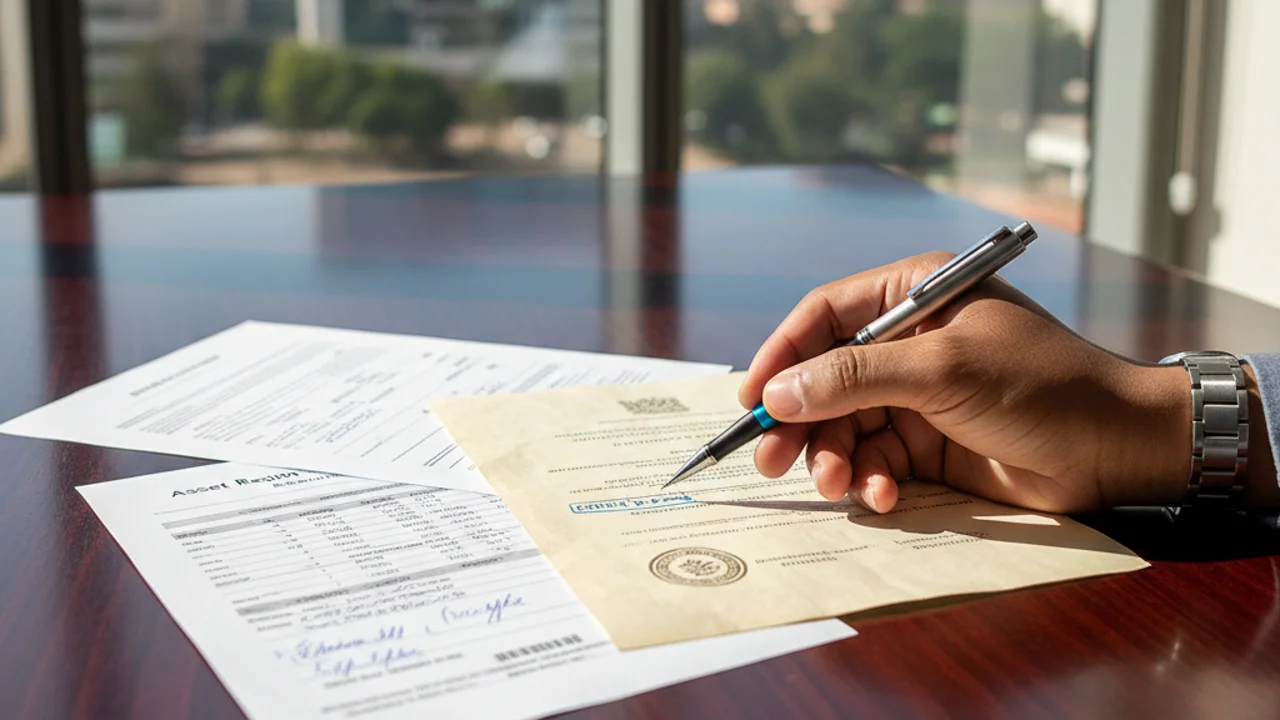
Understanding Your Legal Standing in Debt Recovery
Understanding the Kenya recovery law is the first critical step for any creditor seeking to reclaim outstanding debts. The legal landscape for debt collection in Kenya is governed by a robust set of statutes and procedural rules designed to ensure a fair and orderly process for both creditors and debtors. Navigating this framework, which includes the Auctioneers Act and the Civil Procedure Act, requires specialized knowledge to ensure full compliance and maximize the chances of a successful recovery. Ignoring these legal requirements can lead to costly delays, legal challenges, and even the dismissal of a valid claim. At Swipe Recoveries Experts Ltd, we provide authoritative guidance and expert execution, ensuring every action we take is firmly grounded in the established legal protocols of Kenya.
Key Statutory Frameworks Governing Debt Recovery in Kenya
The process of debt recovery in Kenya is not arbitrary; it is meticulously structured under several key pieces of legislation. The primary statute is the Civil Procedure Act (Cap 21), which outlines the entire litigation process from filing a suit in a court like the Milimani Law Courts to obtaining a judgment. This Act sets the rules for serving summons, filing defences, and the various applications that can be made during a court case.
Once a judgment is secured, the Auctioneers Act (Cap 526) and its accompanying Auctioneers Rules come into play for the execution phase. This legislation governs the conduct of licensed auctioneers, detailing the lawful procedures for attachment and sale of a debtor's property. It mandates specific notification periods, such as the proclamation notice, to protect the debtor's rights. Another critical statute is the Insolvency Act, 2015, which provides a framework for dealing with insolvent individuals and companies. It introduced alternatives to bankruptcy, such as debt relief orders and individual voluntary arrangements, which creditors must be aware of. Finally, the Debtors Act (Cap 32), though an older law, still has relevance concerning the circumstances under which a debtor can be arrested.

The Legal Debt Recovery Process: A Step-by-Step Guide
The formal legal process for debt recovery in Kenya follows a structured and predictable path. It begins long before any court documents are filed. The first official step is issuing a Letter of Demand. This formal letter, often drafted by an advocate or a professional agency like Swipe Recoveries, gives the debtor a final opportunity to settle the debt within a specified period (e.g., 7 or 14 days) before legal proceedings commence.
If the demand letter is ignored, the creditor can proceed to file a Plaint at the appropriate court, initiating a civil suit. The court then issues summons to the debtor, who must enter an appearance and file a defence within the stipulated time. If they fail to do so, a default judgment may be entered. If a defence is filed, the case proceeds through the normal litigation process, culminating in a court judgment. Upon obtaining a favorable judgment, the creditor can apply for a Warrant of Attachment and Sale. This court order empowers a licensed auctioneer to seize and sell the debtor's movable or immovable property to 'recover' the judgment sum. The entire process requires strict adherence to procedural timelines and documentation to be legally enforceable.
Debt Recovery & Auctioneering Coverage in Kenya
Swipe Recoveries Experts Ltd provides commercial recovery, skip tracing, and auctioneering services across Kenya and all 47 counties in Kenya.
Navigating Costs, Fees, and Compliance Under Kenyan Law

Pursuing a debt through legal channels in Kenya involves several costs that creditors should anticipate. These costs primarily fall into three categories: court fees, advocate fees, and auctioneer fees. Court filing fees are statutory and depend on the value of the claim. For example, filing a claim for KES 1,000,000 in the Magistrates' Court would attract a specific filing fee prescribed by the judiciary.
Advocate fees are regulated by the Advocates (Remuneration) Order. These fees are calculated based on the complexity and value of the case and cover services like drafting documents, court appearances, and providing legal advice. Lastly, if the process proceeds to execution, auctioneer fees apply. These are governed by the Auctioneers Rules and include charges for proclamation, attachment, storage, and a commission on the sale proceeds, often a percentage of the recovered amount. For a successful recovery of KES 500,000, the auctioneer's commission would be calculated based on a sliding scale set out in the rules. Ensuring compliance with these fee structures and legal procedures is paramount, a core service provided by Swipe Recoveries Experts Ltd to protect our clients from legal pitfalls.