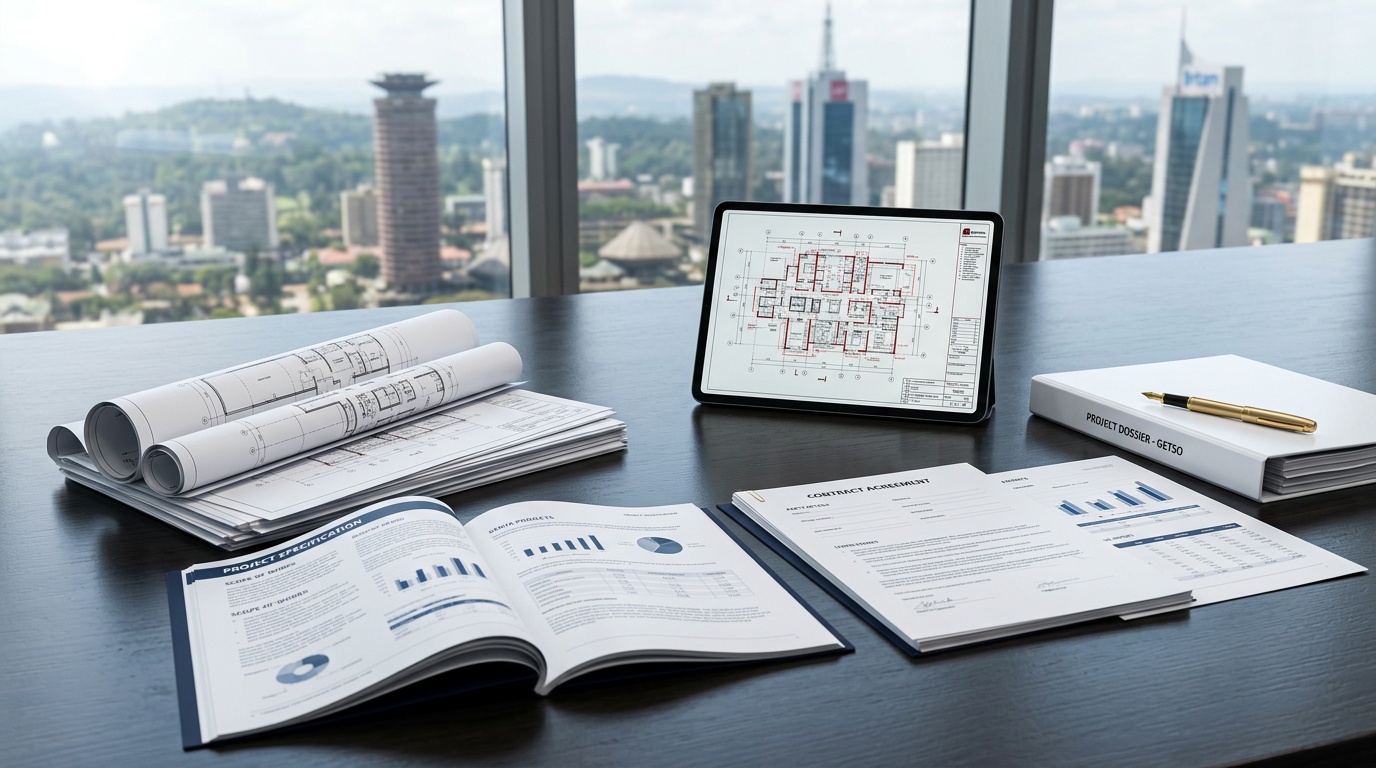
Your Guide to Purchasing Repossessed Items for Sale in Kenya
Searching for repossessed items for sale Kenya offers a unique opportunity to acquire assets at competitive prices. Whether you're looking for vehicles, machinery, or even properties, understanding where and how to find legitimate repossessed goods is key. Swipe Recoveries Experts Ltd specializes in the compliant recovery and disposal of assets, offering valuable insights into the market of repossessed items. We guide prospective buyers through the intricacies of public auctions and private sales, ensuring transparency and adherence to legal frameworks. Our goal is to empower buyers with the knowledge needed to make informed decisions and secure valuable assets successfully, benefiting from the robust market for repossessed goods across Kenya.
Key Channels and Legal Notices for Repossessed Sales in Kenya
Locating legitimate repossessed items for sale Kenya primarily involves monitoring specific channels where public notices are issued. Under the Auctioneers Act, Cap 526, and other financial regulations, creditors (such as banks, Saccos, and microfinance institutions) are mandated to advertise repossessed assets through licensed auctioneers. The most common channels for these notices include: Daily Newspapers: Major national newspapers like the Daily Nation, The Standard, and Business Daily frequently carry auction listings.Kenya Gazette: For certain high-value or government-related repossessions, notices may appear in the official Kenya Gazette.Auctioneer Websites and Physical Boards: Reputable auctioneers maintain their own websites and display physical notices at their offices (e.g., those located in central business districts like Nairobi CBD).Financial Institution Portals: Some banks and financial entities may list their repossessed assets directly on their websites or social media channels. It is crucial to always look for advertisements issued by duly licensed auctioneers or directly from the financial institutions themselves. Swipe Recoveries Experts Ltd emphasizes due diligence, advising buyers to verify the legitimacy of the sale by cross-referencing information and ensuring all legal prerequisites, such as the 14-day or 45-day statutory notices, have been properly issued. This safeguards buyers against potential legal complications and ensures the integrity of the purchase.

Procedural Steps for Acquiring Repossessed Items and Buyer Due Diligence
Acquiring repossessed items for sale Kenya involves a clear set of procedural steps and requires diligent effort from the buyer. Once a suitable item is identified from an auction notice, the first step is typically the viewing period, where prospective buyers can inspect the asset. This is a critical opportunity for due diligence – thoroughly examining the item's condition, verifying specifications, and understanding any defects. For vehicles, obtaining a Car Search Report from NTSA to check for encumbrances is highly recommended. Buyers then participate in the public auction, often requiring a refundable bidding deposit, usually a percentage (e.g., 25%) of the reserve price, payable in Kenya Shillings (KES). Successful bidders are typically required to pay the full balance within a stipulated timeframe, usually 7 to 14 days, as per the conditions of sale. Failure to complete payment may result in forfeiture of the deposit. Upon full payment, the transfer of ownership documentation is processed, for example, logbook transfer for vehicles or transfer of title for property. Swipe Recoveries Experts Ltd advises buyers to review the conditions of sale meticulously and seek independent legal advice if unsure, ensuring a smooth and legally sound acquisition. We are committed to fostering a transparent environment where buyers can confidently engage in these opportunities.
Debt Recovery & Auctioneering Coverage in Kenya
Swipe Recoveries Experts Ltd provides commercial recovery, skip tracing, and auctioneering services across Kenya and all 47 counties in Kenya.
Cost Considerations and Practical Advice for Buyers of Repossessed Goods
When considering repossessed items for sale Kenya, understanding the full financial implications beyond the hammer price is essential. While repossessed goods often offer attractive pricing, buyers must account for additional costs. These include a potential buyer's premium (though less common for repossessed items in Kenya, always confirm), Value Added Tax (VAT) on certain goods or auctioneer fees, and costs associated with transfer of ownership (e.g., NTSA transfer fees for vehicles, stamp duty and legal fees for property). For instance, transferring a vehicle purchased for KES 500,000 might incur NTSA transfer fees of KES 2,500 and potentially other associated costs. For property, stamp duty can be significant (4% in urban areas, 2% in rural) of the property value. Furthermore, buyers should budget for any necessary repairs or refurbishment as repossessed items are typically sold 'as is, where is'. Practical advice includes: setting a clear budget, not getting carried away in the bidding process, always inspecting items thoroughly, and being prepared for immediate payment. Swipe Recoveries Experts Ltd encourages potential buyers to prepare adequately, ensuring they have the necessary funds ready for both the purchase and subsequent costs. Our team can provide guidance on navigating the buying process for repossessed assets effectively, offering insights from our extensive experience in the recovery sector.