Navigating Kenya Repossessed Assets Sales
The market for Kenya repossessed assets sales presents unique opportunities for acquiring valuable properties and goods, often at significant discounts. These assets, typically repossessed due to loan defaults, offer a chance for astute investors and individuals to secure substantial deals. Swipe Recoveries Experts Ltd specialises in managing the complexities of these sales, from initial identification and valuation to the finalisation of transactions. Our expertise ensures a transparent and efficient process, whether you are looking to purchase or divest repossessed assets. We leverage our extensive network and deep understanding of Kenyan law and market dynamics to deliver optimal outcomes for our clients, ensuring compliance with the Auctioneers Act, 2010 and relevant financial regulations.
Understanding the Legal Landscape of Repossessed Asset Sales
The sale of repossessed assets in Kenya is a regulated process, primarily overseen by financial institutions and conducted through licensed auctioneers. The Central Bank of Kenya (CBK) mandates specific guidelines for financial institutions regarding loan recovery and asset disposal to ensure fair practices. When a borrower defaults on a secured loan, the lender, often a bank or microfinance institution, may initiate repossession proceedings. This is typically followed by auctioning the asset, which could be anything from real estate and vehicles to machinery and inventory. The Auctioneers Act, 2010, dictates that only licensed auctioneers can conduct such sales, ensuring professionalism and adherence to legal procedures. Swipe Recoveries Experts Ltd, as a licensed entity, operates strictly within these legal frameworks. We work closely with financial institutions to manage the entire process, from lawful repossession to the auction and sale, ensuring all statutory requirements are met and transactions are legally sound, providing buyers with clear title and ownership.

The Process: From Repossession to Sale of Assets in Kenya
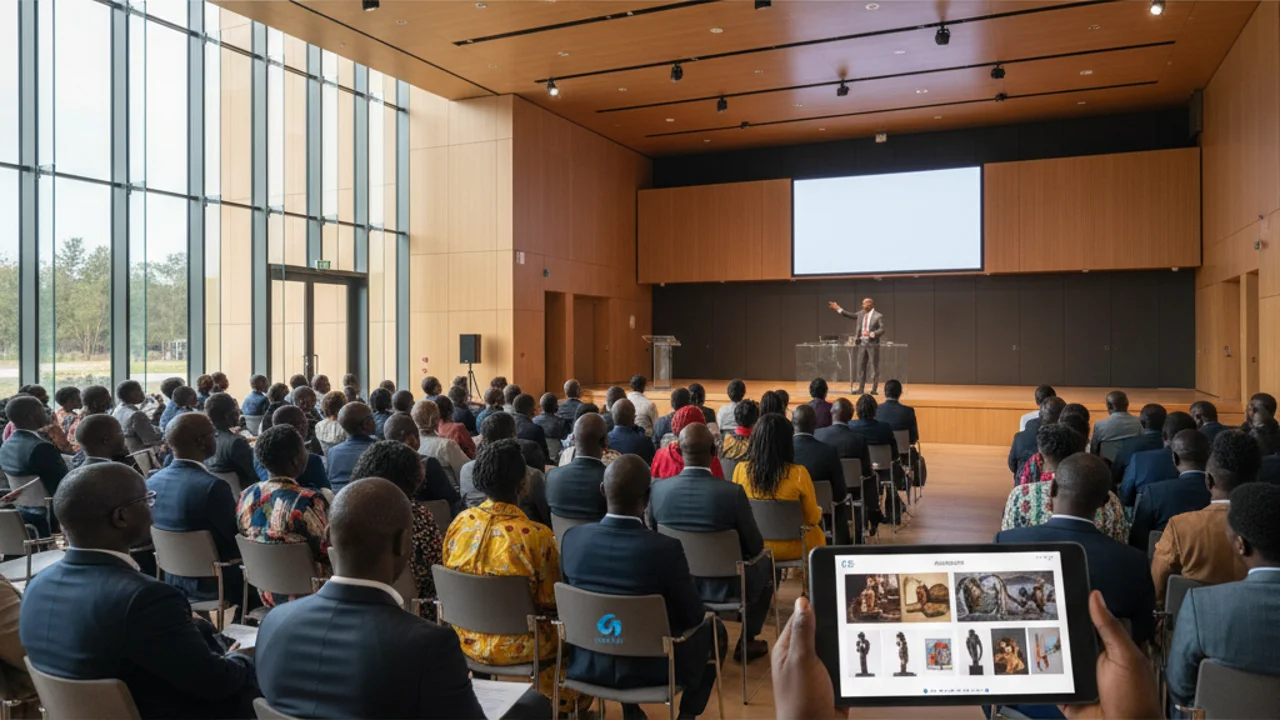
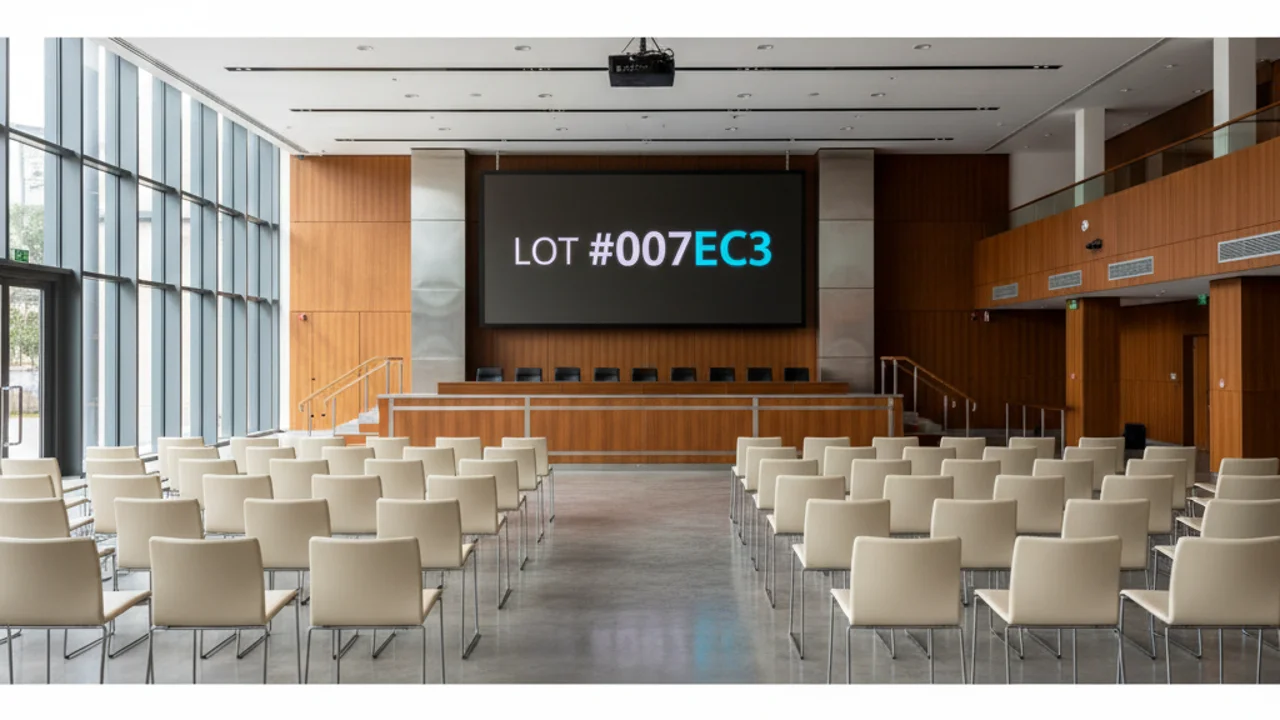
The journey of Kenya repossessed assets sales typically begins with the lender exercising their rights under a loan agreement and relevant statutes like the Insolvency Act, 2015, to take possession of the collateral. Following repossession, a thorough valuation is conducted to determine the asset's market value. Swipe Recoveries Experts Ltd then manages the marketing and auction process, adhering to the requirements of the Auctioneers Act. This involves advertising the sale, often in local newspapers and online platforms, to attract potential buyers. Prospective buyers are usually required to register and pay a refundable deposit to participate. The auction itself is conducted by a licensed auctioneer, who facilitates bidding and declares the highest bidder. Sale agreements are then executed, and the successful bidder is responsible for the balance of payment within a stipulated timeframe, usually outlined in the sale conditions and governed by principles of contract law. Our role at Swipe Recoveries is to ensure this entire sequence is executed with integrity and efficiency.
Debt Recovery & Auctioneering Coverage in Kenya
Swipe Recoveries Experts Ltd provides commercial recovery, skip tracing, and auctioneering services across Kenya and all 47 counties in Kenya.
Finding and Acquiring Repossessed Assets: Costs and Considerations

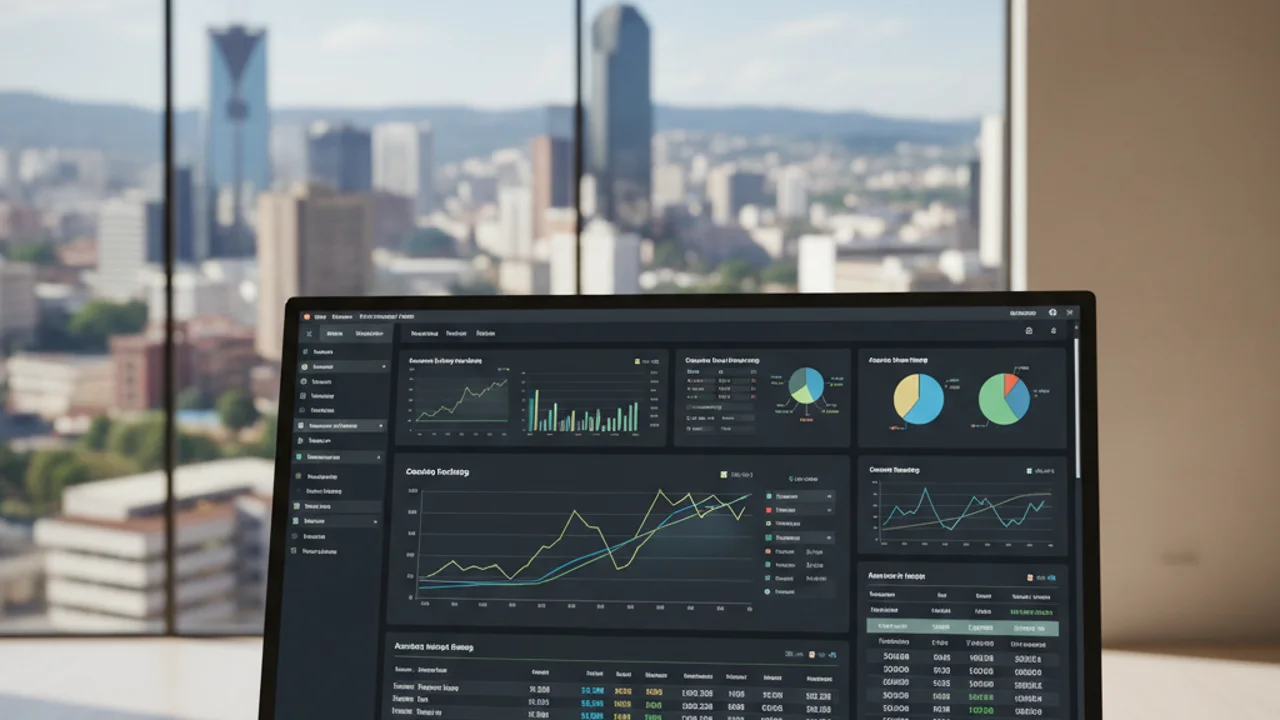
Acquiring repossessed assets in Kenya involves several financial considerations beyond the hammer price. Buyers typically need to pay a deposit at the auction, with the balance due within a specified period, often 30 to 90 days. Additional costs include auctioneer's commission, which can range from 2% to 5% of the winning bid, and relevant taxes such as stamp duty for property transfers (e.g., 4% in municipalities for properties valued at KES 10,000,000), or VAT on certain movable assets. Legal fees for conveyancing, especially for real estate, are also incurred. Swipe Recoveries Experts Ltd provides clear cost breakdowns and estimates. For example, acquiring a repossessed vehicle might involve KES 5,000 to KES 15,000 in transfer fees, depending on the vehicle type and county. We guide clients through these costs, helping them budget effectively and understand the true investment involved in these sales.