Navigating the Landscape of Repossessed Goods Auctions in Kenya
When seeking professional auctioneers in Kenya repossessed goods, it's crucial to partner with firms possessing deep expertise in legal compliance and efficient asset disposal. Swipe Recoveries Experts Ltd offers unparalleled services, ensuring that both creditors seeking recovery and buyers interested in repossessed items experience a transparent, lawful, and streamlined process. Understanding the intricacies of Kenyan auction laws and regulations is paramount for successful outcomes, whether you are selling or buying. Our dedicated team guides clients through every step, from valuation to the final sale, adhering strictly to industry best practices and legal frameworks.
Statutory Framework Governing Repossessed Auctions in Kenya
The operation of auctioneers Kenya repossessed assets is primarily governed by the Auctioneers Act, Cap 526 of the Laws of Kenya, alongside other relevant statutes such as the Chattels Transfer Act and the Hire Purchase Act, Cap 507. These legal frameworks outline the strict procedures for proclamation, valuation, and the eventual sale of repossessed movable and immovable property. Before any public auction, a licensed auctioneer must issue a 45-day statutory notice for immovable property and a 14-day notice for movable property, as mandated by Section 96 of the Land Act, 2012, or the specific terms of the charge instrument or chattel mortgage. Compliance with these legal requirements is non-negotiable for ensuring the validity of the sale and protecting the interests of all parties involved. The Auctioneers Licensing Board, under the purview of the Chief Justice, regulates the conduct and licensing of auctioneers, ensuring adherence to professional standards and ethical practices. Swipe Recoveries Experts Ltd works exclusively with duly licensed and reputable auctioneers, guaranteeing that all proceedings are conducted within the confines of Kenyan law, providing clients with peace of mind and legally sound transactions.

The Process of Auctioning Repossessed Items and Key Requirements
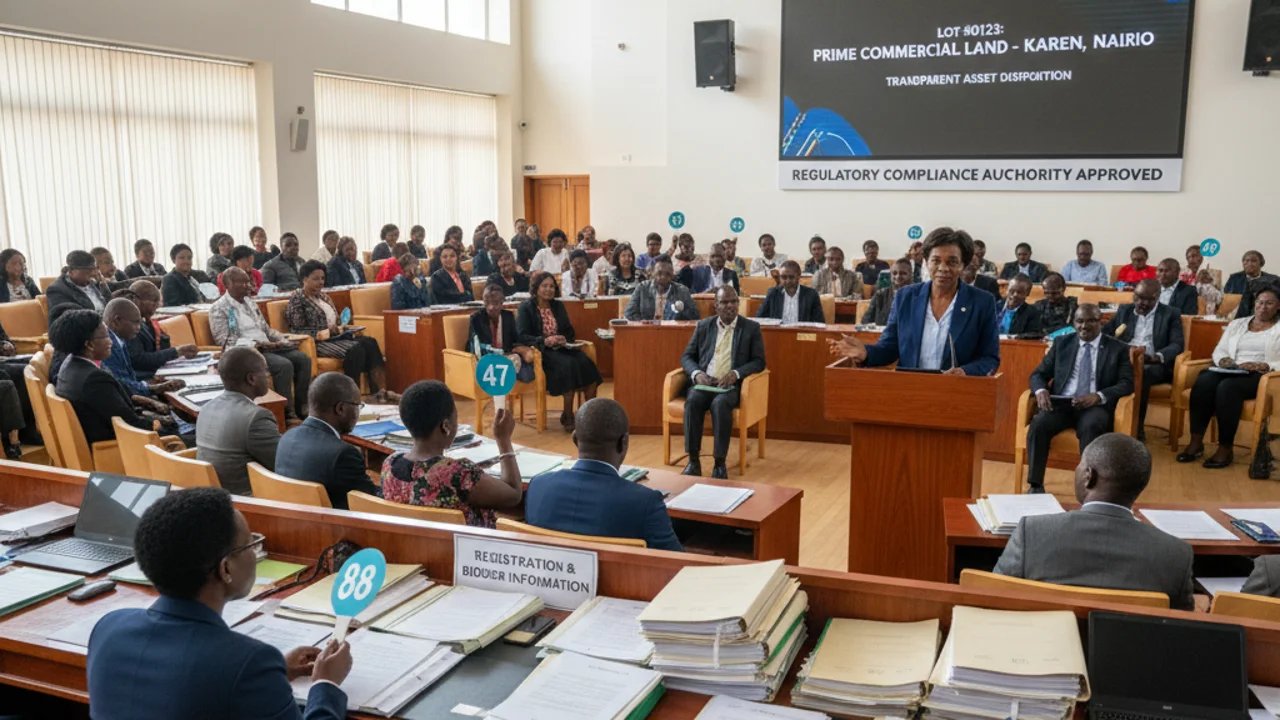
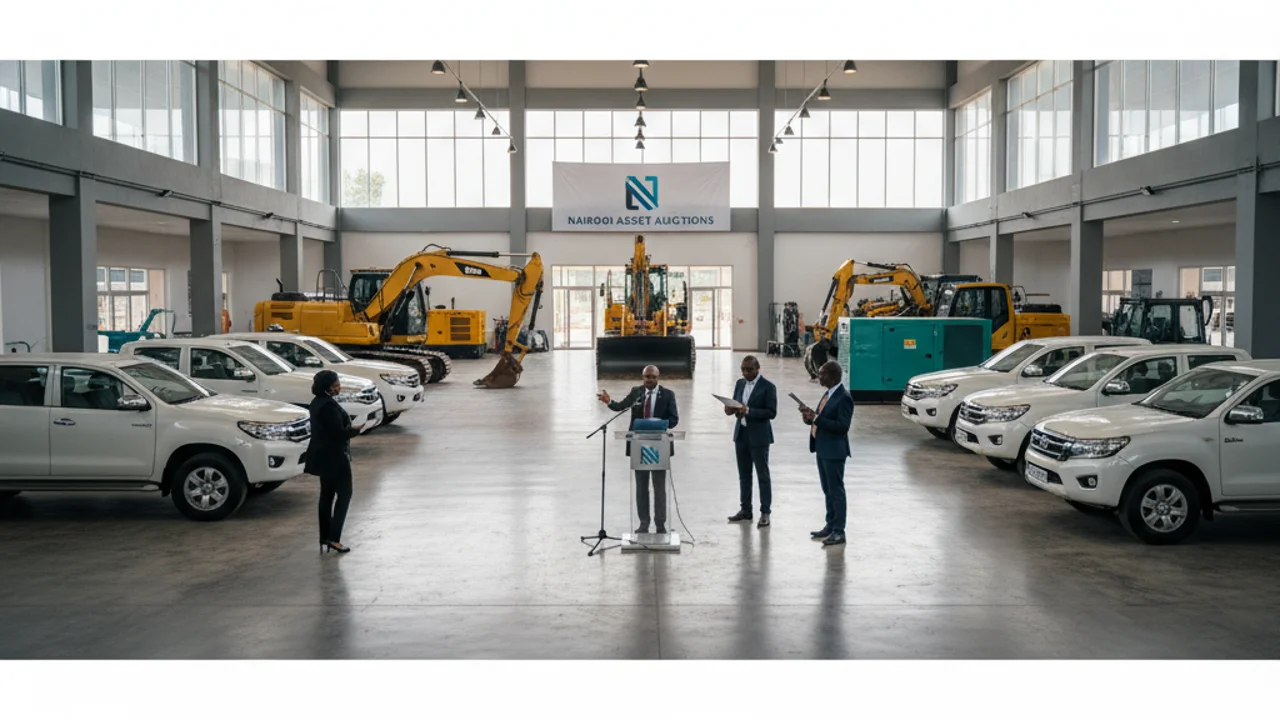
The process initiated by auctioneers Kenya repossessed goods follows a defined sequence to ensure transparency and legal adherence. It begins with the creditor obtaining a court order or exercising a statutory power of sale after a default. Subsequently, a licensed auctioneer is appointed to proclaim the assets, which involves formally seizing and inventorying them. A mandatory valuation of the assets is then conducted by a registered valuer to establish a reserve price. This is followed by the placement of public advertisements in reputable local newspapers and, for high-value items, potentially in the Kenya Gazette, notifying prospective buyers of the auction date, time, and venue. Potential buyers are typically allowed a viewing period to inspect the items before the auction. Key requirements for bidders include presenting a valid identification document (National ID or Passport) and often a refundable bidding deposit, usually a percentage of the reserve price. All terms and conditions of sale are clearly outlined by the auctioneer, including payment methods, timelines for collection, and the principle of 'as is, where is' (caveat emptor). Swipe Recoveries Experts Ltd ensures that all these procedural steps are meticulously followed, providing comprehensive support to creditors from asset identification to successful auction completion, mitigating potential legal challenges and maximizing recovery values.
Debt Recovery & Auctioneering Coverage in Kenya
Swipe Recoveries Experts Ltd provides commercial recovery, skip tracing, and auctioneering services across Kenya and all 47 counties in Kenya.
Understanding Costs and Practical Guidance for Repossessed Auctions

When engaging auctioneers Kenya repossessed items, it's essential to understand the associated costs and practical considerations. Auctioneer fees in Kenya are regulated by the Auctioneers Act and typically range from 2.5% to 5% of the sale value, plus applicable Value Added Tax (VAT), depending on the item's value and whether it's movable or immovable property. Other potential costs include valuation fees (which can range from KES 10,000 to KES 50,000+ depending on complexity), advertising expenses (KES 5,000 to KES 30,000+ per advertisement), storage charges (if applicable), and legal fees if court intervention is required. For instance, a vehicle repossessed and sold for KES 1,000,000 might incur auctioneer fees of KES 50,000 (5%) plus VAT, alongside advertising and storage costs. Buyers should budget for the purchase price and potentially a buyer's premium, though this is less common in Kenya for repossessed goods. Due diligence is critical for buyers; always inspect items thoroughly and review the conditions of sale. For creditors, partnering with a firm like Swipe Recoveries Experts Ltd ensures transparent cost breakdowns and efficient management of all expenses, optimizing the net recovery from the auction. We provide clear, upfront cost estimates and manage the entire auction process with utmost professionalism from our offices on Mama Ngina Street, Nairobi.