Securing Your Next Vehicle: Understanding Bank Car Auction Dates
Locating precise bank car auction dates is crucial for anyone looking to acquire quality vehicles at competitive prices, particularly those repossessed by financial institutions. Swipe Recoveries Experts Ltd specialises in facilitating these transactions, bridging the gap between banks and discerning buyers across Kenya. We understand the critical importance of timing and information in this market. Our services provide you with timely updates and detailed listings of upcoming auctions, ensuring you never miss an opportunity to bid on a wide range of vehicles. Whether you're a seasoned buyer or new to the world of repossessed vehicle sales, our expertise ensures you are well-informed and prepared to participate effectively. By partnering with us, you gain a distinct advantage in navigating the competitive landscape of bank car auctions.
The Regulatory Landscape of Bank Repossessions and Auctions in Kenya
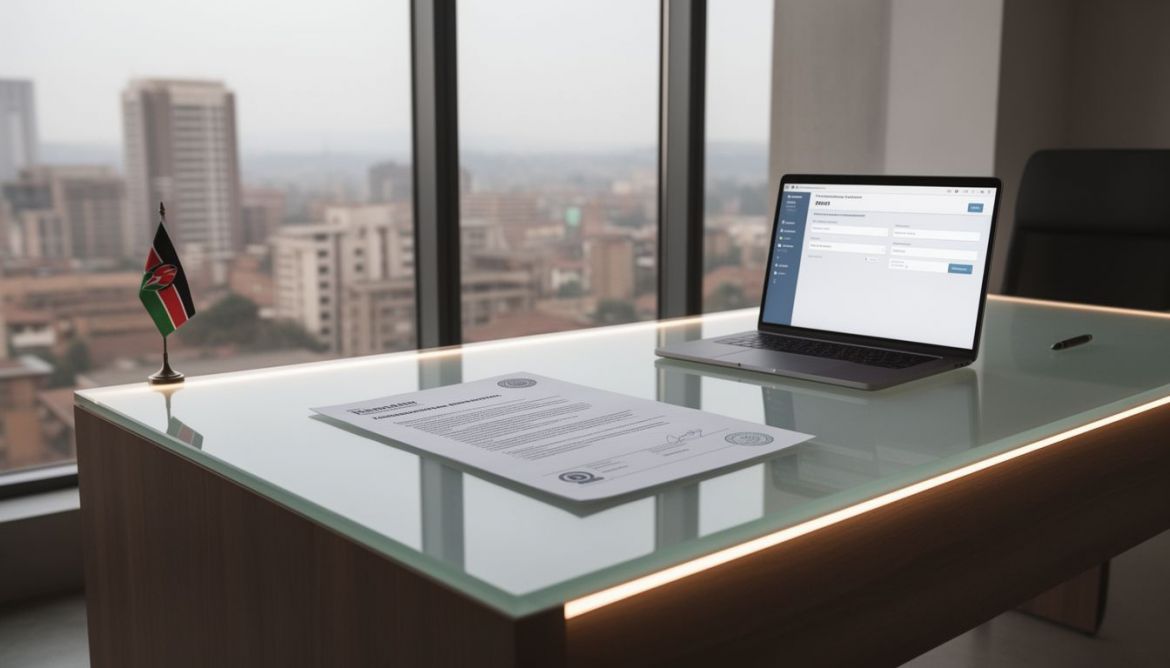
The process of bank car auctions in Kenya is governed by a robust legal framework designed to protect both lenders and debtors, while ensuring fair market practices. Key legislation includes the Hire Purchase Act, the Chattels Transfer Act, and the Central Bank of Kenya's guidelines on asset management. When a loan defaults, banks have the legal right to repossess vehicles financed under these agreements. Before a vehicle can be put up for auction, banks are legally obligated to provide specific notice periods to the borrower, detailing the outstanding amount and the intention to sell the asset if the debt is not settled. This legal prerequisite is managed meticulously by institutions and their appointed auctioneers.
Swipe Recoveries Experts Ltd plays a vital role in this ecosystem by acting as compliant auctioneers. We ensure that all repossessed vehicles are handled in accordance with statutory requirements, including proper documentation of repossession and preparation for sale. Our adherence to regulations, such as the Auctioneers Act (Cap 506), guarantees that all auction proceedings are transparent and legally sound. This ensures that vehicles sold through bank car auctions are free from disputes related to repossession, providing buyers with clear title and a secure investment. Understanding these legal nuances is what sets us apart when managing bank car auction dates.

Your Step-by-Step Guide to Participating in Bank Car Auctions
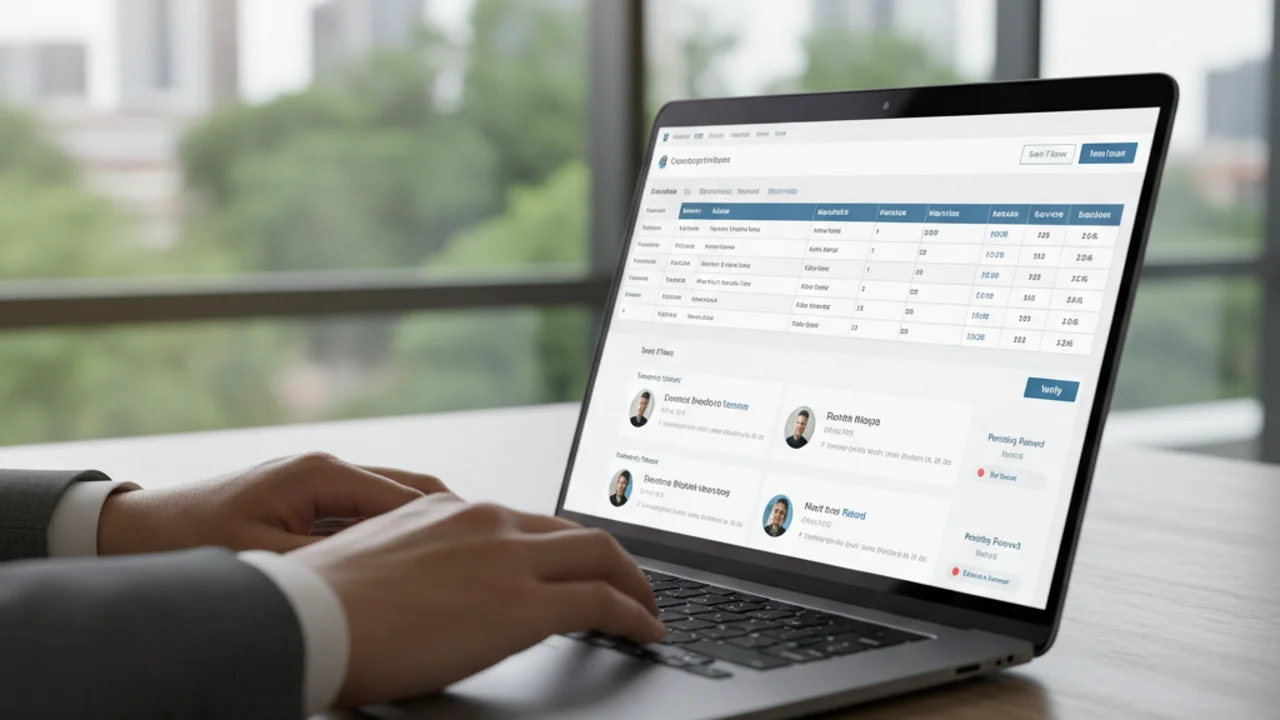
Participating in bank car auction dates can be an excellent way to purchase vehicles at below-market prices. The process typically begins with identifying an auction. Swipe Recoveries Experts Ltd maintains an updated calendar and listings of upcoming bank car auctions, accessible to interested parties. Once you find an auction that interests you, the next step is registration. This usually involves presenting a valid form of identification, such as a National ID or passport, and sometimes a refundable bidding deposit, which signifies your serious intent to participate.
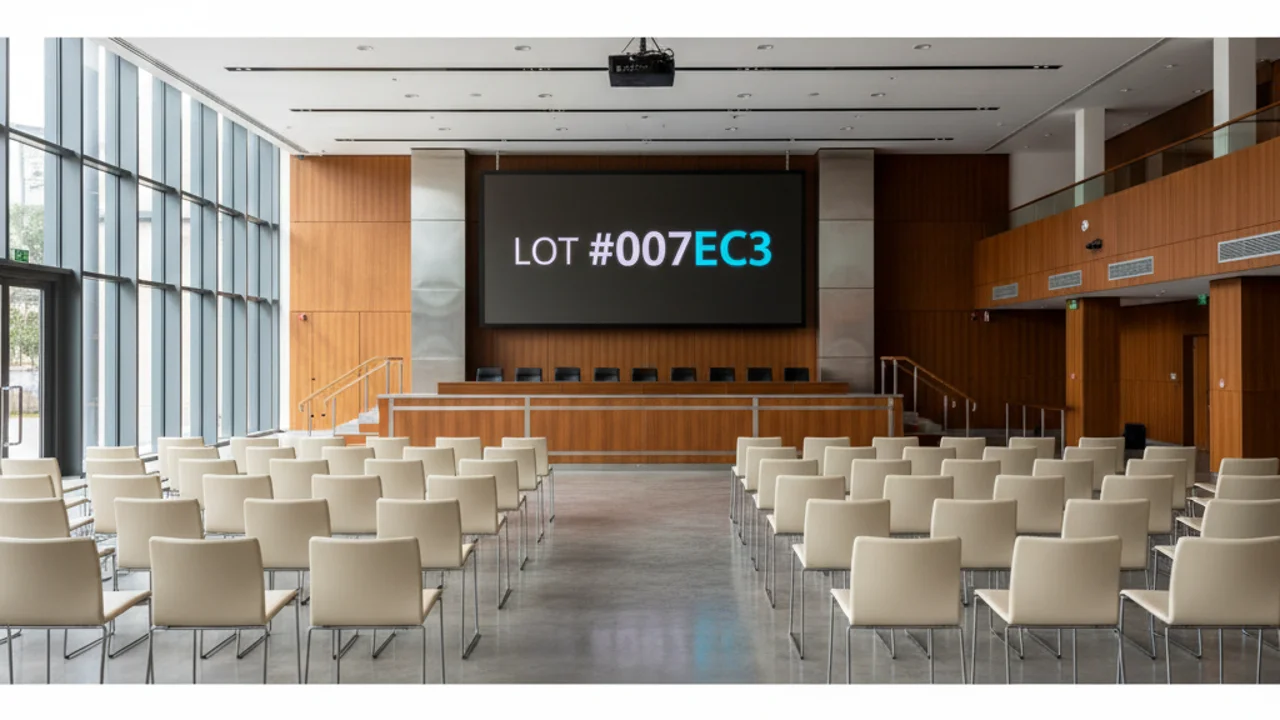
Before the auction day, it is highly recommended to attend the pre-auction viewing sessions. This is your opportunity to inspect the vehicles you are interested in, check their mechanical condition, and note any cosmetic imperfections. Understanding the vehicle's history, if available, is also beneficial. On the auction day, be prepared to bid. Familiarize yourself with the auctioneer's bidding increments and terms. The highest bidder at the fall of the hammer wins the vehicle. Prompt payment is usually required, often on the same day or within a specified period, typically 24-48 hours. Swipe Recoveries Experts Ltd guides you through each step, from registration to payment and vehicle collection, ensuring a smooth and successful auction experience.
Costs and Potential Savings from Bank Car Auctions

One of the primary attractions of attending bank car auction dates is the potential for significant cost savings. Vehicles at these auctions are often sold at prices substantially lower than retail market value. This is because banks aim to recover outstanding loan amounts quickly, rather than maximizing profit. Buyers can often find vehicles with a starting bid that is considerably less than what they would pay at a dealership or from a private seller.
However, it's important to factor in additional costs. Buyers typically pay a buyer's premium, a percentage of the hammer price (e.g., 5-10% plus VAT), which goes to the auction house. There may also be administrative fees and the cost of transportation for the vehicle. For example, a vehicle sold for KES 500,000 might incur a buyer's premium of KES 25,000 - KES 50,000 plus VAT. It is also wise to budget for immediate repairs or servicing, as repossessed vehicles may not have been maintained regularly. Despite these extra costs, the overall savings can be substantial, making bank car auctions a financially smart choice for acquiring automobiles.