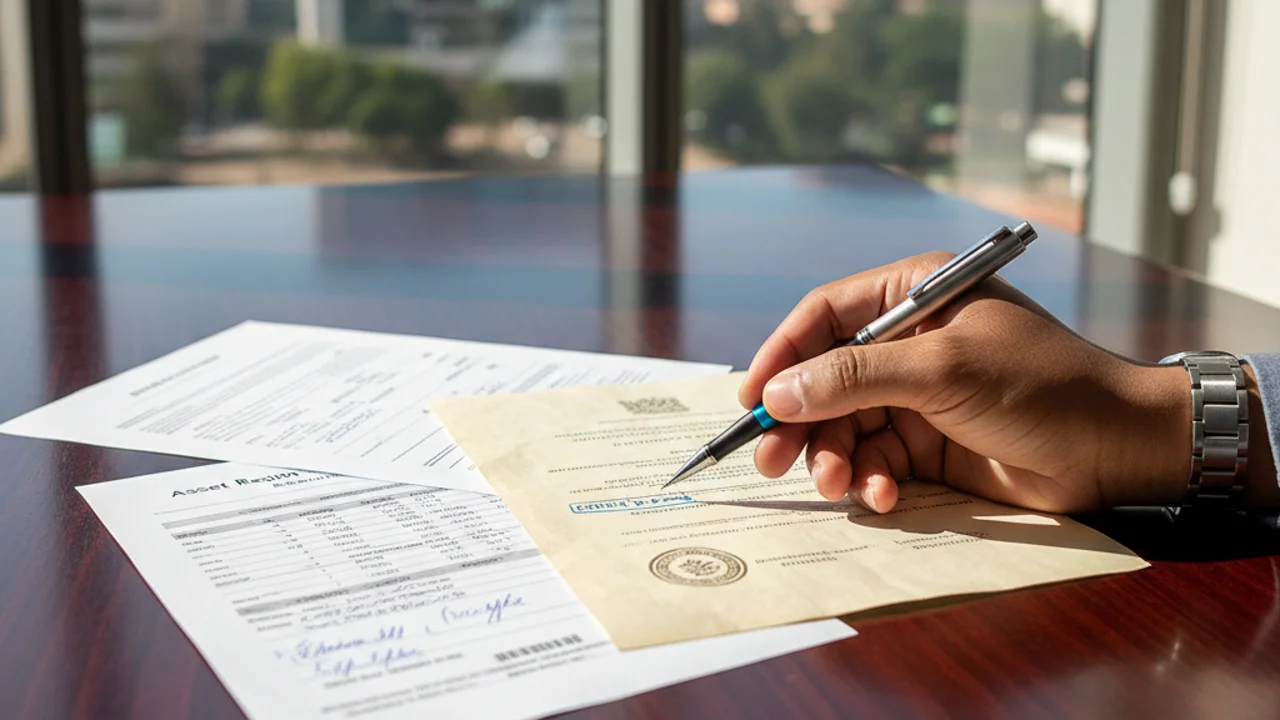
A Strategic Guide for Creditors
Understanding Kenya's debt recovery law is fundamental for any business or individual seeking to recover outstanding funds in a formal, legal, and effective manner. The legal framework provides a structured pathway for creditors to pursue their claims, but it is a path filled with procedural requirements that must be strictly followed. From the initial demand letter to obtaining and enforcing a court judgment, each step is governed by specific statutes and rules of procedure. Attempting to navigate this process without a clear understanding can lead to dismissals on technicalities, wasted costs, and prolonged delays. This article outlines the key legislation and the practical legal process, providing creditors with the knowledge needed to work with professionals like Swipe Recoveries to successfully manage debt recovery within the bounds of Kenyan law.
Key Legislation: Civil Procedure Act & Limitation of Actions Act
The primary statute governing the debt recovery law process in Kenya is the Civil Procedure Act (Cap 21) and its accompanying Civil Procedure Rules, 2010. This legislation outlines the entire lifecycle of a civil suit, from filing a case to enforcing the final judgment. It details the required formats for court documents (pleadings), the rules for serving documents on the defendant, and the procedures for various applications that can be made during the case, such as applying for a summary judgment where there is no credible defence. Adherence to these procedural rules is mandatory, and failure to comply can be fatal to a claim.
Equally important is the Limitation of Actions Act (Cap 22). This law sets statutory time limits within which a creditor must initiate legal action to recover a debt. For most common debts based on a contract (e.g., unpaid invoices, simple loans), the time limit is six years from the date the debt became due. If a creditor fails to file a lawsuit within this period, the debt becomes 'statute-barred,' and the legal right to recover it is permanently lost. Understanding this Act is crucial for prudent credit management, as it underscores the need for timely action on overdue accounts. Other relevant laws include the Magistrates' Courts Act, which sets the monetary jurisdiction of different court levels, and the recently established Small Claims Court Act for debts below KES 1 million.

The Legal Debt Recovery Process: From Demand Letter to Court Action
The formal legal debt recovery process follows a structured sequence. Step 1: The Demand Letter. This is the first, and often most effective, step. A formal demand letter, preferably from an advocate or a registered debt recovery firm, is sent to the debtor. It clearly states the amount owed, the basis of the debt, and a deadline for payment (e.g., 7 or 14 days). It also warns of impending legal action and potential liability for costs if the debt is not settled. A well-drafted demand letter resolves a significant number of cases without needing to go to court.
Step 2: Filing a Suit. If the demand letter is ignored, the creditor initiates a lawsuit. This involves drafting a 'Plaint,' a formal court document that sets out the creditor's claim. The Plaint is filed in the appropriate court—the Small Claims Court (for debts under KES 1M), the Magistrate's Court, or the High Court, depending on the amount. Once filed and court fees are paid, the court issues a 'Summons to Enter Appearance.' Step 3: Service of Summons and Subsequent Steps. The Summons and Plaint must be personally served on the debtor, who then has a set period (usually 15 days) to 'Enter an Appearance' and file a 'Defence.' If no defence is filed, the creditor can apply for a 'judgment in default.' If a defence is filed, the case proceeds through pre-trial procedures and eventually to a hearing where both sides present their evidence.
Estimated Legal Costs in Kenyan Debt Recovery Cases (KES)

The costs associated with legal debt recovery in Kenya can be broken down into three main categories. It's important to note that if the creditor is successful, the court will typically order the debtor to pay the creditor's costs. 1. Court Filing Fees: These are statutory fees paid to the judiciary for filing a case. They are calculated based on the value of the claim. For example, filing a claim for KES 500,000 in a Magistrate's Court might incur filing fees of approximately KES 4,000 - KES 7,000. Filing a claim in the High Court for KES 25 million would be significantly higher.
2. Advocate's Fees: These are the fees paid to the lawyer representing the creditor. They are governed by the Advocates (Remuneration) Order, which provides a scale of fees based on the value of the subject matter. While clients can negotiate with their advocates, this scale provides a baseline. For a straightforward debt recovery case, legal fees can range from KES 50,000 to several hundred thousand shillings, depending on the debt amount and complexity. 3. Disbursements: These are out-of-pocket expenses incurred during the case, such as process server fees for serving court documents (approx. KES 2,000 - KES 5,000 per service), photocopying, and transport. Swipe Recoveries helps clients manage these costs by pursuing efficient recovery paths, like summary judgment, to minimize protracted litigation.