Unlocking Opportunities in Kenya's Public and Private Tender Auctions
Engaging in a tender auction Kenya represents a significant opportunity for businesses and individuals seeking to acquire valuable assets, from repossessed vehicles and machinery to government surplus and real estate. The landscape of Kenyan auctions, governed by specific legal frameworks, demands a partner with deep expertise to navigate its intricacies successfully. Swipe Recoveries Experts Ltd stands as a leading authority in auctioneering, offering comprehensive services that ensure transparency, fairness, and maximum value realization for both sellers and buyers. Our dedication to "Results That Matter" is reflected in our meticulous approach to every tender and auction process, making us the trusted choice for efficient and compliant asset disposal and acquisition across Kenya.
Legal Frameworks Governing Public and Private Tender Auctions in Kenya
The integrity and legality of any tender auction Kenya are underpinned by robust legal frameworks. For public sector tenders and asset disposals, the primary guiding legislation is the Public Procurement and Asset Disposal Act, 2015 (PPADA), along with its accompanying regulations. This Act establishes the rules, procedures, and oversight mechanisms for all public procurement and disposal activities, ensuring fairness, transparency, and accountability. The Public Procurement Regulatory Authority (PPRA) is the body responsible for overseeing and enforcing PPADA.
For general auctions, including those involving repossessed assets from financial institutions or private entities, the Auctioneers Act (Cap 526) is paramount. This Act regulates the licensing and conduct of auctioneers in Kenya, ensuring they adhere to professional standards and ethical practices. Licensed auctioneers, such as those at Swipe Recoveries Experts Ltd, are mandated to operate within these legal confines. Additionally, the Fair Administrative Action Act, 2015, reinforces the principles of natural justice and fair treatment in administrative decisions, which extends to public tender and auction processes. Understanding these intertwined legal instruments is critical for any participant, as non-compliance can lead to disqualification, legal challenges, or voided transactions, emphasizing the need for expert guidance in navigating Kenya's auction environment.
The Tender Auction Process: From Advertisement to Acquisition in Kenya
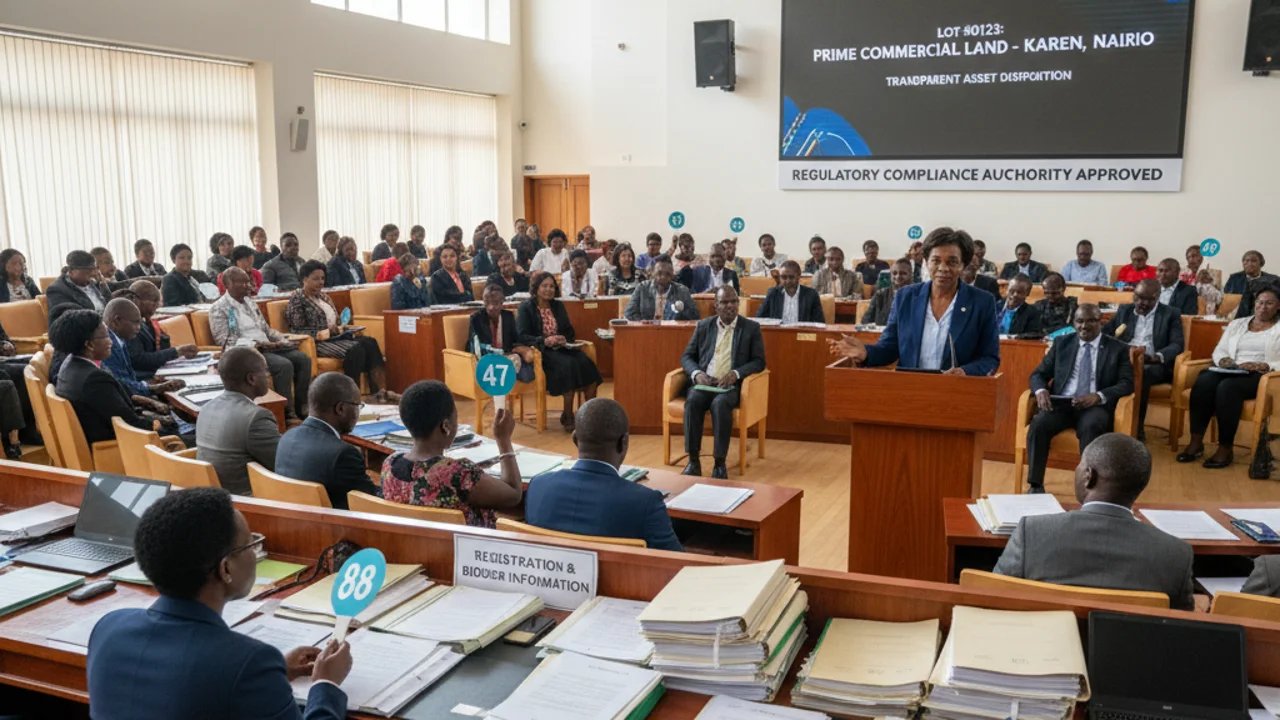
The journey through a tender auction Kenya is a multi-stage process that demands meticulous attention from both buyers and sellers. It typically commences with a public tender advertisement, widely disseminated through national newspapers, official government gazettes, and online procurement portals (e.g., PPRA's website). Interested parties then proceed to collect tender documents, which outline detailed specifications, terms, conditions, and submission requirements. For physical assets, site visits or due diligence periods are usually allocated, allowing potential bidders to inspect items like repossessed vehicles or machinery firsthand.
Following thorough preparation, bidders submit their sealed bids by a specified deadline. Unlike open outcry auctions, tender auctions involve a formal tender opening ceremony, often open to the public, where bids are revealed. The bids then undergo a rigorous evaluation process against predefined criteria (technical, financial, and legal compliance). Finally, the successful bidder receives an award notification. Swipe Recoveries Experts Ltd facilitates this entire process, from preparing comprehensive tender documents for sellers to guiding buyers through the submission and due diligence phases. We ensure all procedures adhere to the Public Procurement and Asset Disposal Act, 2015, and the Auctioneers Act (Cap 526), guaranteeing a transparent and equitable process for all parties involved in acquiring or disposing of assets through tender or auction.
Debt Recovery & Auctioneering Coverage in Kenya
Swipe Recoveries Experts Ltd provides commercial recovery, skip tracing, and auctioneering services across Kenya and all 47 counties in Kenya.
Understanding Costs, Fees, and Maximizing Returns in Kenyan Auctions
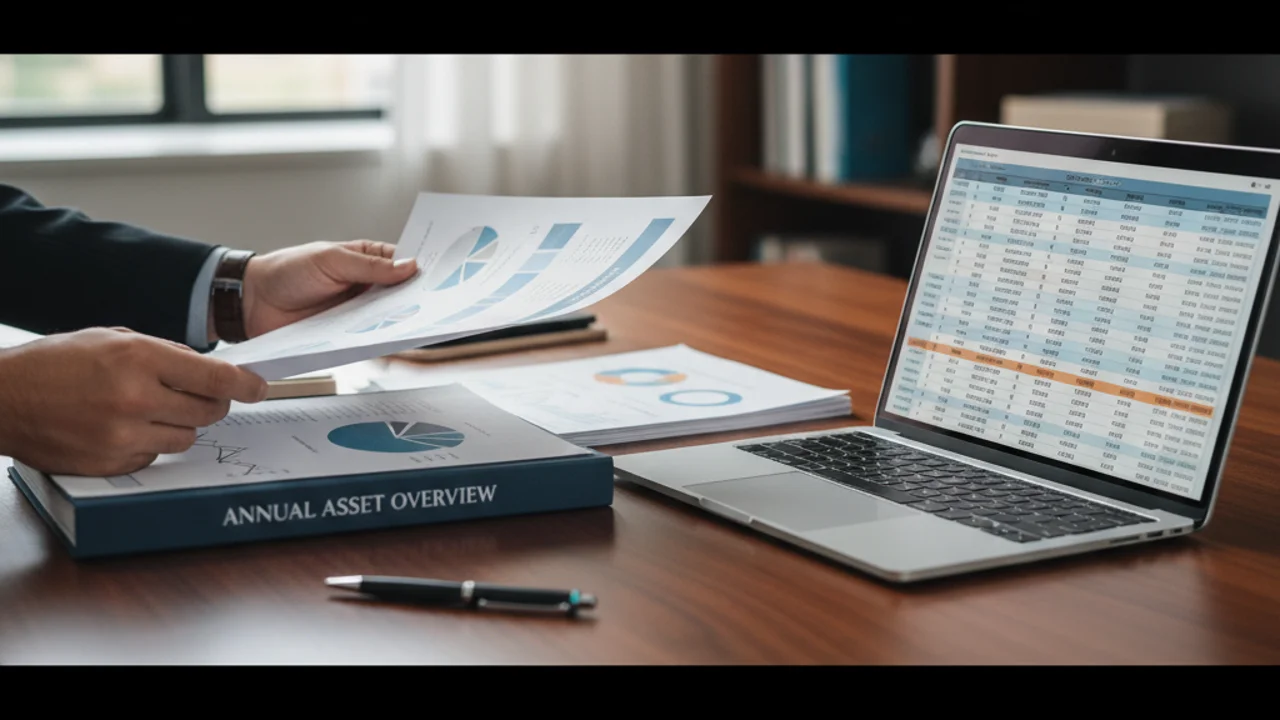
Participating in a tender auction Kenya involves specific costs and fees that potential buyers and sellers must factor into their financial planning. For buyers, common expenses include tender document fees, which can range from KES 1,000 to KES 5,000, and often a mandatory bid bond or guarantee, typically a small percentage (e.g., 0.5% to 2%) of the bid value, which safeguards the seller against frivolous bids. If successful, transfer fees (e.g., NTSA for vehicles, Lands Registry for property) and stamp duty will apply, varying significantly based on the asset's value.
For sellers, the primary cost is the auctioneer's commission, usually a percentage of the sale price (5-10%), along with advertising costs and potentially storage fees for assets. Swipe Recoveries Experts Ltd prioritizes transparency in all these financial aspects. We provide clear breakdowns of expected costs and offer practical guidance on how to maximize returns. For sellers, this involves strategic marketing and expert valuation to achieve optimal sale prices. For buyers, our due diligence support helps avoid unforeseen liabilities. By understanding these financial dynamics and leveraging expert services, participants can navigate the tender auction landscape more effectively, leading to more profitable outcomes and adherence to market standards.