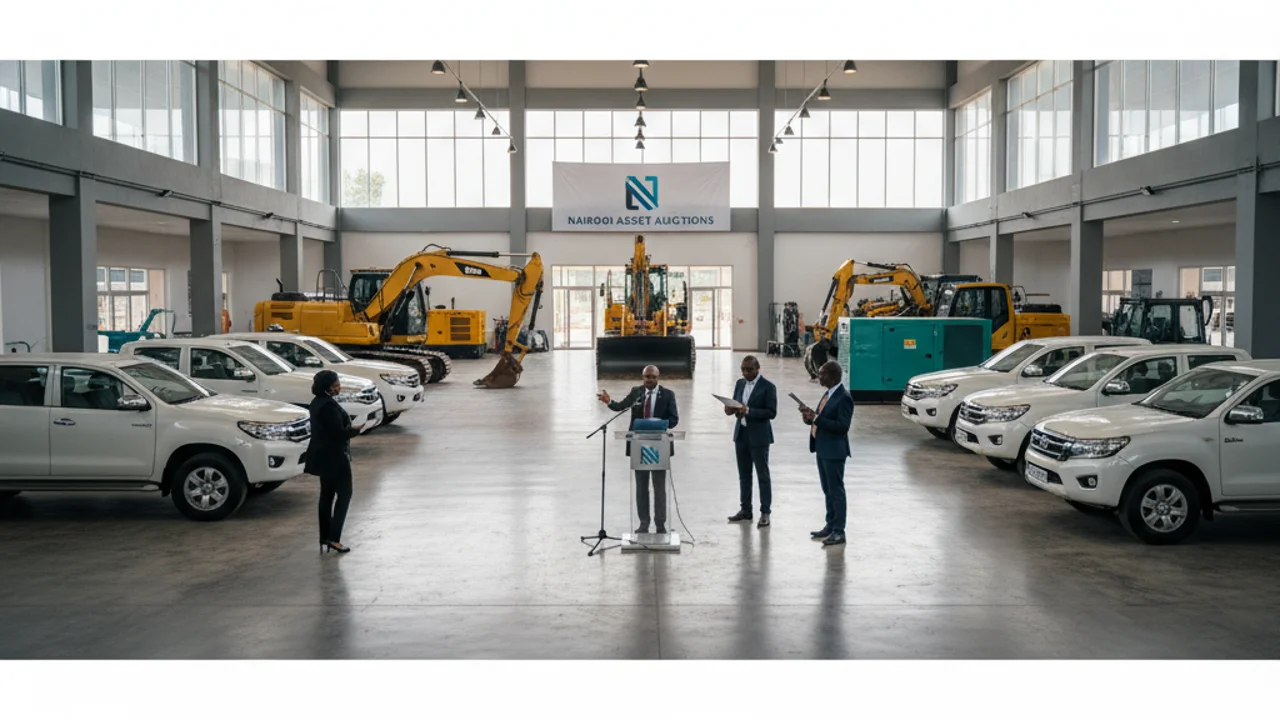
Navigating Property Auctions with Nairobi's Trusted Experts
A licensed property auction is a highly regulated process in Kenya, offering a transparent and effective method for selling immovable property to recover debts or settle legal judgments. Based at International Life House on Mama Ngina Street, Swipe Recoveries Experts Ltd stands as a leading authority in conducting legally sound and successful property auctions. We ensure every step, from proclamation to the fall of the hammer, is executed in strict compliance with Kenyan law, safeguarding the interests of both creditors and debtors. Our expertise provides a structured pathway for financial institutions, lawyers, and individuals to liquidate property assets efficiently, ensuring market value is achieved through competitive public bidding. We are your dedicated partner for professional auctioneering services in the heart of Nairobi's central business district.
The Legal Framework: The Auctioneers Act & Compliance
The cornerstone of any licensed property auction in Kenya is The Auctioneers Act No. 5 of 1996 and the accompanying Auctioneers Rules. This legislation is the definitive guide that governs the conduct of all auctioneers and the entire auction process. To operate legally, an auctioneer must be licensed by the Auctioneers Licensing Board, a statutory body that ensures practitioners meet stringent professional and ethical standards. Any auction conducted by an unlicensed individual is illegal, void, and can result in severe legal penalties.
Swipe Recoveries Experts Ltd operates with a full, valid license, ensuring every action we take is legally defensible. The Act meticulously outlines requirements for everything from the initial instruction and valuation to the public notification and the final sale. For instance, the law differentiates between movable and immovable property, stipulating a mandatory 45-day proclamation notice for real estate before it can be advertised for auction. This period allows the debtor an opportunity to settle the outstanding amount. Our team, located at International Life Hse, is deeply versed in these regulations, including those under The Distress for Rent Act and procedures for executing court decrees, ensuring full compliance and mitigating legal risks for our clients.

The Property Auction Procedure: A Step-by-Step Guide
The procedure for a licensed property auction is systematic and transparent. Here is the step-by-step process followed by Swipe Recoveries Experts Ltd:
1. Instruction & Warrant: The process begins when we receive a formal instruction, typically from a bank, creditor, or a court, accompanied by a warrant of attachment and sale or relevant legal authority.
2. Valuation and Reserve Price: We engage a professional valuer to determine the property's current market value. Based on this valuation, a reserve price is set. This is the minimum price the property can be sold for at the auction.
3. Proclamation and Notification: As required by law for immovable property, we issue and serve a 45-day proclamation notice to the debtor. This notice is also registered with the relevant land registry.
4. Public Advertisement: Upon expiry of the proclamation period without settlement, the auction is advertised in at least two daily newspapers with nationwide circulation. The advertisement includes details of the property, the date, time, and venue of the auction.
5. Conducting the Auction: The public auction is held at the specified time and place. Bidders are required to pay a deposit to participate. The property is sold to the highest bidder who meets or exceeds the reserve price.
6. Post-Auction Formalities: The successful bidder signs a sale agreement and is typically required to pay the balance of the purchase price within a stipulated period (e.g., 90 days). We then facilitate the transfer process, ensuring all legal documentation is correctly handled.
Auction Fees, Costs, and Financial Expectations

Understanding the costs associated with a licensed property auction is crucial for creditors. The fees are largely regulated by the Auctioneers Rules to prevent overcharging and ensure transparency. The primary cost is the auctioneer's commission, which is calculated as a percentage of the sale price. As per the current schedule, these fees are typically structured on a sliding scale, for example, up to 10% on the first KES 100,000, with the percentage decreasing for higher value brackets.
Beyond the commission, the instructing client is responsible for disbursements. These are out-of-pocket expenses necessary to facilitate the auction and include:
Advertising Costs: The cost of placing statutory advertisements in two national newspapers, which can range from KES 40,000 to over KES 150,000 depending on the size and publication.
Valuation Fees: Professional fees paid to the registered valuer.
Legal and Registration Fees: Costs associated with land registry searches and registering the proclamation.
Logistical Costs: Expenses for security, venue hire (if not on-site), and other administrative tasks.
Swipe Recoveries provides a clear and detailed cost estimate before commencing any auction process.