Unlocking Value: Surplus Property Auctions in Kenya
Surplus property auctions Kenya offer a dynamic marketplace for acquiring a wide range of assets, from vehicles and machinery to office equipment and real estate. These auctions arise from various sources, including government agencies, parastatals, county governments, and private corporations looking to dispose of excess or obsolete assets. Swipe Recoveries Experts Ltd provides expert guidance for both sellers and buyers in these auctions, ensuring transparency, compliance, and optimal value recovery. Our services help you navigate the bidding process and secure valuable assets efficiently across Kenya's diverse market.
Regulatory Framework for Surplus Property Disposal in Kenya
The disposal of public surplus property in Kenya is primarily governed by the Public Procurement and Asset Disposal Act, 2015 (PPADA) and its associated Regulations, 2020. This comprehensive framework ensures transparency, accountability, and efficiency in the disposal process by government ministries, departments, agencies (MDAs), and state corporations. The National Treasury issues guidelines that must be adhered to, outlining approved methods of disposal, including public auction, public tender, trade-in, and transfer to other public entities. For private sector entities, while not bound by PPADA, best practices often align with principles of transparency and fair valuation.
Auctioneers conducting these sales must be licensed under the Auctioneers Act, Cap. 526, and comply with all professional standards set by the Auctioneers Board of Kenya. Furthermore, the Kenya Revenue Authority (KRA) plays a role in taxation aspects, such as VAT on sale proceeds or capital gains tax where applicable, depending on the nature of the asset and the seller's tax profile. Compliance with environmental regulations, particularly for the disposal of certain assets (e.g., electronic waste regulated by NEMA), is also critical. Swipe Recoveries Experts Ltd ensures all surplus property auctions we manage or advise on meet these stringent legal and regulatory requirements.

Participating in Surplus Property Auctions: A Practical Guide
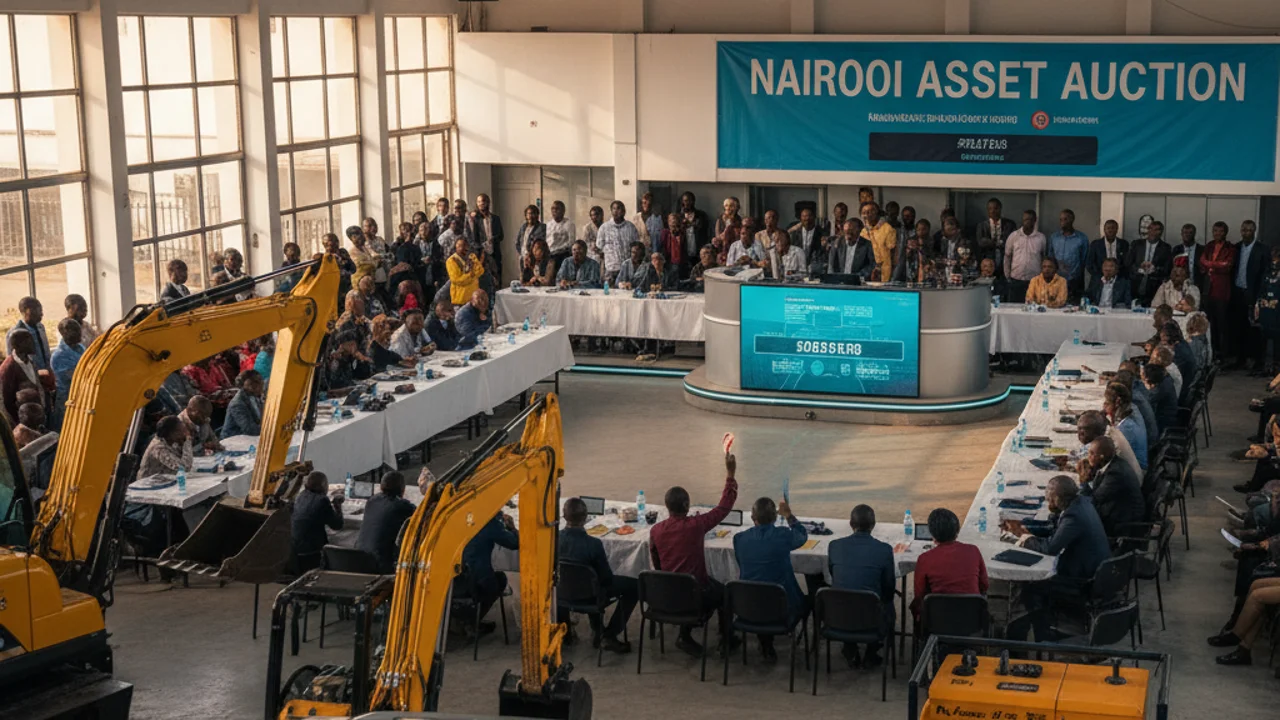
Participating in surplus property auctions in Kenya requires careful preparation and an understanding of the process. The first step is identifying upcoming auctions. These are typically advertised in national newspapers (such as the Daily Nation or Standard), the Kenya Gazette, government agency websites, and the platforms of licensed auctioneers like Swipe Recoveries Experts Ltd. Advertisements will detail the items for sale, viewing dates, and auction location, often in urban centers like Nairobi.
Before the auction, it is crucial to attend the designated viewing dates to physically inspect the assets. Most surplus items are sold on an 'as is, where is' basis, meaning buyers assume all risks. Registration is usually required on the auction day, involving a refundable bidding deposit. During the auction, clear bidding procedures are followed, with the highest bidder securing the lot. Upon a successful bid, an immediate deposit (e.g., 25%) is required, with the balance due within a stipulated period, commonly 7 or 14 days. Failure to complete payment can result in forfeiture of the deposit and resale of the asset. Our team guides buyers through these steps, from pre-auction inspection to final payment and collection, ensuring a smooth acquisition of diverse surplus property.
Debt Recovery & Auctioneering Coverage in Kenya
Swipe Recoveries Experts Ltd provides commercial recovery, skip tracing, and auctioneering services across Kenya and all 47 counties in Kenya.
Understanding Costs and Compliance in Surplus Property Acquisitions

When acquiring assets through surplus property auctions in Kenya, potential buyers must factor in several costs beyond the successful bid price. Auctioneer's commission, often termed a 'buyer's premium,' is typically added to the hammer price. While this varies, it's crucial to confirm the specific rate before bidding, as it's typically a regulated percentage as per the Auctioneers Act, Cap. 526 (e.g., for movable goods, it can be 10% on the first KES 50,000 and 5% on the next KES 950,000, with varying rates for higher values). For real estate, stamp duty (4% for urban, 2% for rural) is a significant cost payable by the buyer.
Other potential costs include Value Added Tax (VAT) if the seller is VAT-registered and the asset is taxable, although many surplus public disposals are exempt. Buyers should also consider transportation costs for acquired assets, and any necessary repair or refurbishment expenses. Compliance with asset transfer procedures, including obtaining necessary clearances and registration documents, is also crucial. Swipe Recoveries Experts Ltd provides clarity on these financial implications and assists buyers in navigating the compliance landscape, ensuring a transparent and cost-effective acquisition from any surplus property auctions across Kenya.