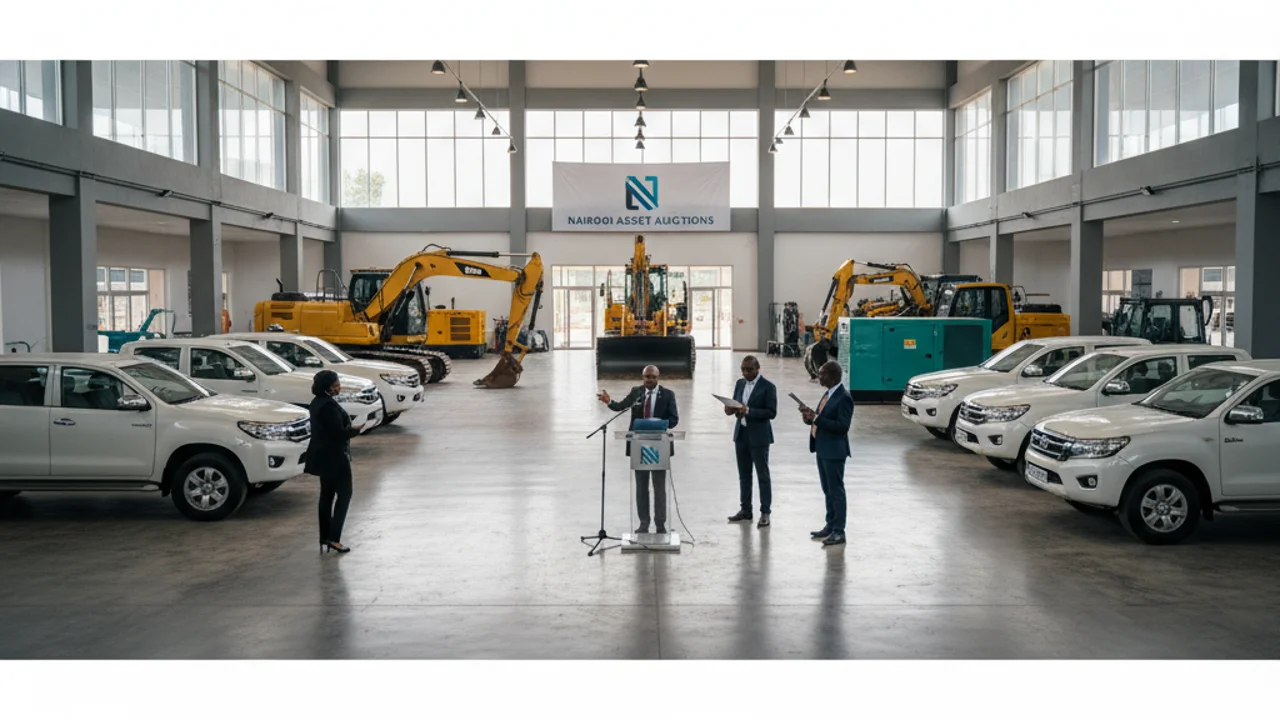
Your Essential Guide to Public Land Auctions in Nairobi
Engaging in public land auctions Nairobi offers a dynamic avenue for individuals and businesses to acquire valuable real estate within Kenya's bustling capital. These auctions, often conducted by the Nairobi City County government or appointed auctioneers, are governed by strict legal procedures designed to ensure transparency and fairness. Successfully navigating these processes requires a deep understanding of the bidding mechanisms, legal documentation, and the specific requirements for property acquisition in Nairobi. Swipe Recoveries Experts Ltd stands as your trusted partner, leveraging extensive expertise in auctioneering and property law to guide you through every stage, ensuring you can confidently secure your desired plots.
Understanding the Regulatory Landscape for Nairobi Land Auctions
The legal framework governing public land auctions Nairobi is primarily rooted in the Land Act, 2012 (No. 6 of 2012) and the Land Registration Act, 2012 (No. 3 of 2012). These statutes delineate the procedures for the disposal of public land, including the roles of the Cabinet Secretary for Lands, county governments, and licensed auctioneers. For auctions within Nairobi, compliance with the Nairobi City County government's specific bylaws and land management policies is also crucial. Potential buyers must be aware of land use regulations, zoning restrictions, and any existing encumbrances or covenants attached to the property. Swipe Recoveries Experts Ltd provides meticulous legal due diligence, ensuring all auctioned properties meet statutory requirements and that clients are fully informed of any legal implications before they bid.

The Step-by-Step Process for Bidding in Nairobi Auctions
Participating in public land auctions Nairobi follows a defined procedure. The first step involves identifying available auctions, typically advertised in the Kenya Gazette, local newspapers, or through official government portals. Potential bidders must then review the auction particulars, which detail the property's location, size, tenure, and any known conditions. Registration is usually a prerequisite, requiring submission of a National ID or Passport, KRA PIN, and a non-refundable registration fee, commonly ranging from KES 5,000 to KES 10,000. A bid deposit, typically 10% of the reserve price or estimated value in the form of a bank draft, is mandatory to qualify for bidding. During the auction, the auctioneer calls for bids, and the highest offer, when the hammer falls, secures the property. The successful bidder must then pay the balance of the purchase price within a specified period, usually 30 to 90 days, to complete the title transfer. Swipe Recoveries Experts Ltd expertly manages this entire process, from registration to final settlement.
Debt Recovery & Auctioneering Coverage in Nairobi, Kenya
Swipe Recoveries Experts Ltd provides commercial recovery, skip tracing, and auctioneering services across Nairobi, Kenya and all 47 counties in Kenya.
Cost Considerations: Fees, Stamp Duty, and Other Charges

Beyond the winning bid, participants in public land auctions Nairobi should anticipate additional costs. These include the auctioneer's commission (typically 5-10% of the hammer price), stamp duty (a percentage of the property value, often 4-6%, payable to the government), legal fees for conveyancing and title processing, and potential costs for land surveys or registration updates. Valuations are critical to avoid overbidding. Swipe Recoveries Experts Ltd provides comprehensive cost breakdowns and professional valuation services, ensuring clients have a clear understanding of the total investment required and can budget effectively for their acquisition in Nairobi.