Navigating the Market for Repossessed Assets in Nairobi
Searching for MFI repossessed items in Nairobi? The market for repossessed assets offers unique opportunities for buyers seeking value. Microfinance Institutions (MFIs) frequently repossess movable assets, ranging from vehicles and electronics to household goods, when borrowers default on their loans. These items are then typically sold through public auctions to recover the outstanding debt. Understanding the legal framework and practical steps involved is crucial for successful acquisition.
Legal Framework and Regulatory Landscape for Repossessed Assets
The repossession and subsequent auctioning of assets by Microfinance Institutions (MFIs) in Kenya are governed by specific legal statutes and regulatory guidelines designed to protect both the lender and the borrower. Key legislation includes the Chattels Transfer Act (Cap 28), which dictates the procedure for securing loans against movable property, and the Auctioneers Act (Cap 526), which sets out the rules for conducting public auctions. Before an MFI can repossess, they must issue a statutory notice to the defaulting borrower, adhering strictly to timelines and communication protocols. Non-compliance with these notices, often governed by loan agreements and the Consumer Protection Act (2012), can render the repossession unlawful. Furthermore, the Central Bank of Kenya (CBK), which regulates MFIs, also provides prudential guidelines that impact how these institutions manage non-performing loans and asset recovery. Buyers should be aware that items are typically sold 'as is, where is,' without warranty, placing the onus of due diligence on the bidder. Understanding these foundational legal requirements is paramount for navigating the Nairobi auction landscape effectively, ensuring transactions are legitimate and free from future legal encumbrances.
Finding and Participating in Nairobi MFI Repossessed Item Auctions
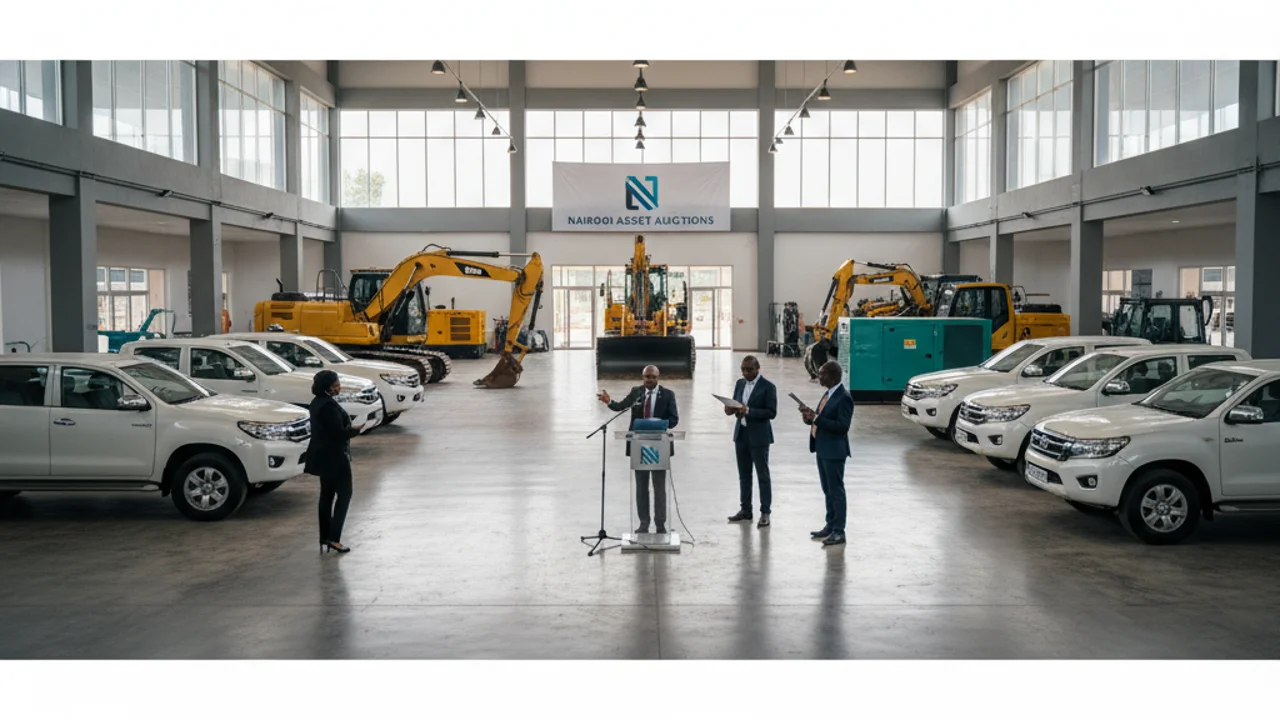
To successfully acquire MFI repossessed items in Nairobi, a structured approach to finding and participating in auctions is essential. Public notices for these auctions are typically advertised in local daily newspapers such as the Daily Nation or The Standard, and often on the websites of prominent auctioneering firms or directly by the MFIs themselves. Key details to look for include viewing dates, auction dates, and locations, which are often concentrated in Nairobi's industrial areas or designated auction yards. Before bidding, it is critical to conduct thorough due diligence; inspect the items during designated viewing times, verify their condition, and assess any potential repair costs. The bidding process itself requires registration with the auctioneer, often involving a refundable deposit, usually paid via M-Pesa or bank transfer. Bidders must be prepared to pay a substantial deposit (e.g., 25% of the bid price) immediately upon winning, with the balance due within a specified period, typically 7-14 days. Failure to complete payment within this timeframe can result in forfeiture of the deposit and the item being re-auctioned. Swipe Recoveries Experts Ltd provides invaluable assistance in identifying legitimate auctions and guiding clients through the entire bidding and acquisition process, ensuring compliance and maximizing successful outcomes.
Debt Recovery & Auctioneering Coverage in Nairobi, Kenya
Swipe Recoveries Experts Ltd provides commercial recovery, skip tracing, and auctioneering services across Nairobi, Kenya and all 47 counties in Kenya.
Costs, Fees, and Practical Advice for Buyers

When purchasing MFI repossessed items in Nairobi, buyers must factor in several costs beyond the successful bid price. The most significant additional cost is the auctioneer's commission, which typically ranges from 5% to 10% of the hammer price, plus Value Added Tax (VAT), as stipulated by the Auctioneers Act. For instance, if an item sells for KES 100,000, the commission could be an additional KES 5,000 – KES 10,000 plus VAT. There might also be incidental charges such as storage fees if the item is not collected promptly, and potential transfer of ownership fees for assets like motor vehicles, payable to the National Transport and Safety Authority (NTSA). Buyers should also budget for any necessary repairs or maintenance, as repossessed items are sold 'as is'. To avoid common pitfalls, always request a proforma invoice immediately after winning a bid to confirm all charges. Seek clarity on payment terms and collection deadlines. It's advisable to attend a few auctions as an observer before participating to familiarize yourself with the dynamics. For comprehensive support and expert guidance through the complexities of MFI repossessed item auctions in Nairobi, Swipe Recoveries Experts Ltd offers tailored solutions, helping clients make informed decisions and secure valuable assets.