Navigating the Complexities of Asset Auctions in Kenya
Understanding how to legally auction assets is crucial for creditors, financial institutions, and businesses seeking to recover outstanding debts or liquidated collateral. In Kenya, the process is governed by specific statutes and regulations, demanding precision and adherence to legal frameworks to ensure fairness and validity. Swipe Recoveries Experts Ltd, based at International Life Hse, 8th Floor, Mama Ngina Street, Nairobi, provides comprehensive auctioneering services that meticulously follow these legal requirements. Our expertise ensures that every auction conducted under our management is transparent, compliant, and ultimately delivers the desired recovery outcomes for our clients, safeguarding them from potential legal challenges and ensuring maximum value realization for the assets being auctioned.
Legal Framework Governing Asset Auctions in Kenya
In Kenya, the process of legally auctioning assets is primarily governed by the Auctioneers Act (Cap 526) and its accompanying rules, alongside specific provisions within the Civil Procedure Act, the Insolvency Act, and relevant contractual agreements. These laws dictate who can conduct auctions, the procedures for advertising and conducting sales, and the requirements for handling proceeds. For instance, only licensed auctioneers, such as those at Swipe Recoveries Experts Ltd, are permitted to conduct public auctions. This licensing ensures a level of professionalism and accountability. Furthermore, statutory notices must be published in designated newspapers, specifying the date, time, and location of the auction, as well as a detailed description of the movable or immovable property to be sold. Non-compliance with these notification requirements can render an auction invalid, underscoring the importance of engaging seasoned professionals who are intimately familiar with these legislative nuances. Our team in Nairobi is adept at navigating these legal intricacies, ensuring every step aligns with Kenyan law.

Step-by-Step Procedure for Legally Auctioning Assets
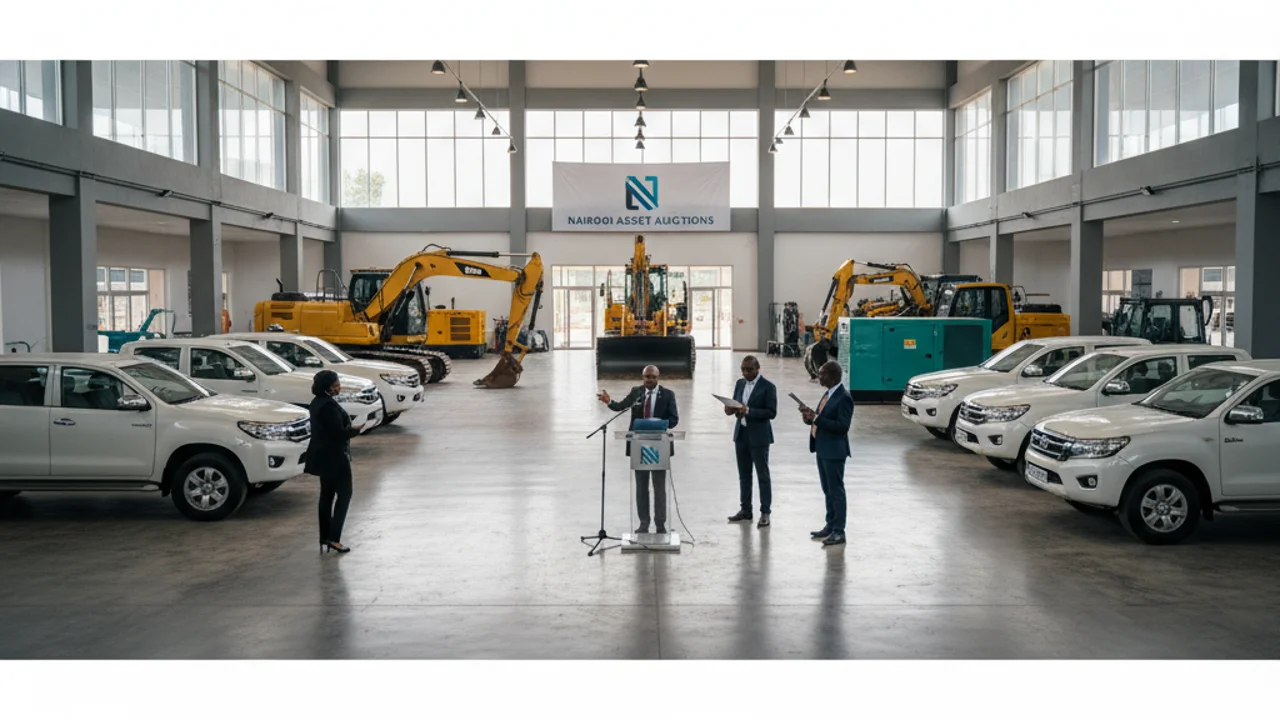
Initiating the process to legally auction assets begins with obtaining the necessary legal authority, typically a court order or a power of sale as stipulated in a charge or hire-purchase agreement. Once authorization is secured, Swipe Recoveries Experts Ltd meticulously plans the auction. This includes preparing a detailed inventory of the assets, determining their fair market value, and securing them appropriately. The next critical step involves statutory advertising, which, as mandated by the Auctioneers Act, requires publication in at least two daily newspapers of national circulation for a specified period. We ensure precise adherence to these timelines and content requirements. The auction itself must be conducted in a public and transparent manner, either through public outcry or by sealed bids, depending on the asset type and legal directive. Post-auction, all proceeds are accounted for meticulously, with balances remitted to the rightful parties after deducting expenses and statutory fees, ensuring a complete and legally sound recovery process.
Costs, Fees, and Essential Considerations for Auctions

When engaging in the process to legally auction assets, understanding the associated costs and fees is paramount. These typically include auctioneer's commission, advertising costs, storage fees for movable assets, and any legal disbursements. In Kenya, auctioneer fees are generally regulated by the Auctioneers Act and can vary depending on the value of the assets. For instance, a typical commission might range from 10% to 20% of the sale price for movable assets and a fixed percentage for immovable property, often subject to a minimum fee. Advertising costs can range from KES 5,000 to KES 20,000 or more, depending on the publication and duration. Swipe Recoveries Experts Ltd provides transparent fee structures upfront, allowing clients to budget effectively. It's essential to factor in these expenses to accurately assess the net recovery from the auction.