The Role of Expert Industrial Auctioneers in Nairobi's Economy
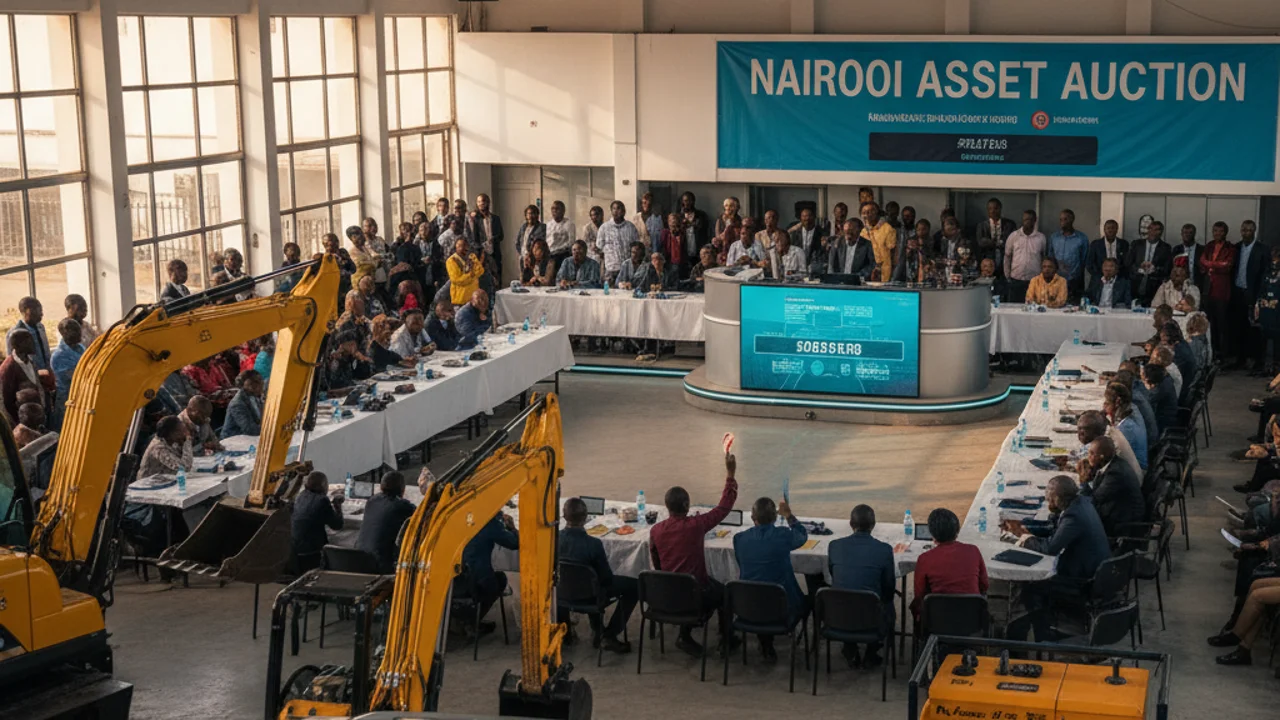
Engaging experienced industrial auctioneers in Nairobi is essential for businesses seeking efficient and transparent disposal of assets. Whether dealing with surplus machinery, repossessed equipment, or assets from insolvent companies, professional auctioneering services ensure maximum value recovery and adherence to legal frameworks. Nairobi, as Kenya's economic hub, sees a constant demand for specialized industrial auctions across various sectors, from manufacturing to construction. This guide explores the critical aspects of industrial auctioneering, its regulatory environment, the process involved, and the financial considerations for both sellers and buyers.
Regulatory Framework & Scope for Industrial Auctions in Kenya
The process of utilizing industrial auctioneers in Nairobi is meticulous and designed to maximize returns while ensuring legal compliance. It typically begins with an initial consultation where the client's needs and the nature of the assets are assessed. Following this, the auctioneer conducts a thorough asset inspection and valuation, providing a realistic market estimate based on current market trends and the asset's condition. This valuation is crucial for setting reserve prices and managing client expectations. Subsequently, a comprehensive marketing strategy is developed, utilizing various channels such as industry-specific publications, online platforms, and the auctioneer's extensive database of potential buyers. For assets located in industrial zones like Nairobi's Industrial Area or surrounding areas like Mlolongo, targeted local marketing is often employed.
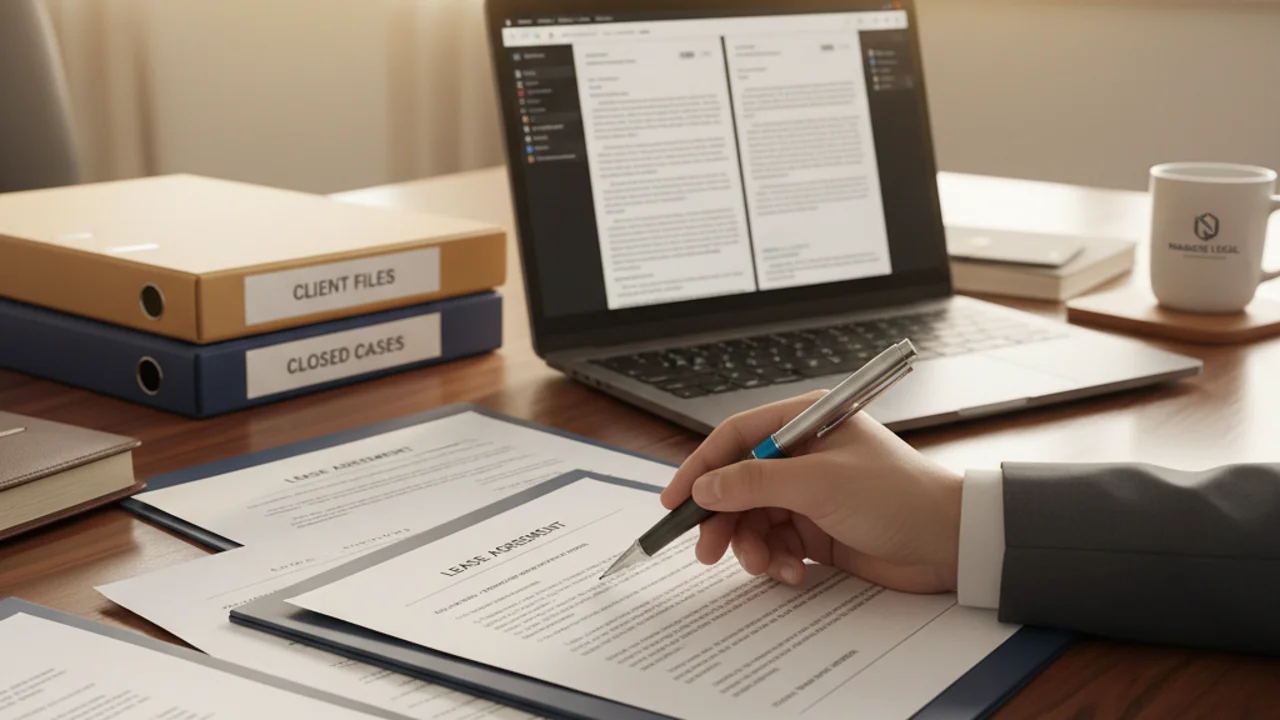
Before the main auction event, pre-auction viewings are arranged, allowing prospective buyers to physically inspect the assets. On the auction day, professional auctioneers manage the bidding process transparently and efficiently, ensuring fair competition. Post-auction, the successful bidders proceed with payment, and the auctioneer facilitates the secure transfer of ownership and logistics for asset collection. Legal documentation, including sale agreements and transfer forms, are meticulously handled to ensure a seamless and legally sound transaction. Throughout this process, Swipe Recoveries Experts Ltd leverages its expertise to navigate complexities, from logistics for heavy machinery to securing necessary permits, ensuring a smooth and profitable experience for clients.
The Comprehensive Process of Engaging Industrial Auctioneers in Nairobi
Debt Recovery & Auctioneering Coverage in Nairobi, Kenya
Swipe Recoveries Experts Ltd provides commercial recovery, skip tracing, and auctioneering services across Nairobi, Kenya and all 47 counties in Kenya.
Understanding Fees & Costs Associated with Industrial Auctions (KES)

When engaging industrial auctioneers in Nairobi, understanding the fee structure is crucial for accurate financial planning. The primary cost is the auctioneer's commission, which is typically a percentage of the final sale price. This commission rate is often negotiable for high-value assets or large consignments but is otherwise guided by statutory rates under the Auctioneers Act, usually ranging from 2.5% to 10%. For example, for assets valued at KES 10,000,000, a 5% commission would amount to KES 500,000. Additionally, clients should budget for valuation fees, which can range from KES 10,000 to KES 50,000 or more depending on the complexity, quantity, and type of industrial assets being appraised.
Other potential costs include advertising and marketing expenses (e.g., KES 5,000 to KES 50,000+ for print media, online listings, or specialized promotional efforts), which are vital for attracting the right buyers. Logistical charges for moving, storing, or securing assets prior to the auction can also accrue, especially for large industrial equipment. It is important to note that a reputable industrial auctioneer, such as Swipe Recoveries Experts Ltd, will provide a transparent breakdown of all anticipated fees upfront. While these costs exist, the value added through professional valuation, extensive buyer networks, and efficient process management often results in significantly higher asset recovery than private sales, making it a cost-effective solution for asset disposal.