Understanding Government Seized Assets and Their Auctions
What are govt seized assets Kenya and how can you acquire them? Govt seized assets Kenya typically refers to properties, vehicles, goods, or funds confiscated by government agencies due to legal infringements, unpaid taxes, criminal proceeds, or violations of public policy. These assets are often disposed of through public auctions to recover costs or redistribute wealth. Understanding the legal framework and participating transparently is crucial. Swipe Recoveries Experts Ltd specialises in providing insights and support through this intricate process, ensuring compliance and maximizing opportunities for our clients across Kenya.
The Legal Framework for Govt Seized Assets Kenya
In Kenya, the disposition of govt seized assets Kenya is governed by a robust legal framework designed to ensure transparency, accountability, and fairness. Key legislations include the Auctioneers Act Cap 526, which regulates the conduct of auctioneers; the Civil Procedure Act Cap 21 and its Rules, governing the execution of court decrees leading to asset seizure; and specific statutes such as the Public Procurement and Asset Disposal Act, 2015, which provides guidelines for public bodies disposing of assets. Furthermore, proceeds of crime are dealt with under the Proceeds of Crime and Anti-Money Laundering Act (POCAMLA), often involving assets seized by bodies like the Ethics and Anti-Corruption Commission (EACC) or the Directorate of Criminal Investigations (DCI).
The process typically begins with a legal order, such as a Warrant of Attachment issued by a competent court (e.g., High Court of Kenya or Magistrates' Courts), authorising the seizure. These assets are then entrusted to licensed auctioneers for public sale. Compliance with these statutory provisions is paramount to avoid legal challenges. Swipe Recoveries Experts Ltd meticulously adheres to these laws, ensuring every transaction involving govt seized assets Kenya is conducted with integrity and within the stipulated legal boundaries, safeguarding the interests of all parties involved and providing clients with legitimate opportunities to acquire valuable items.
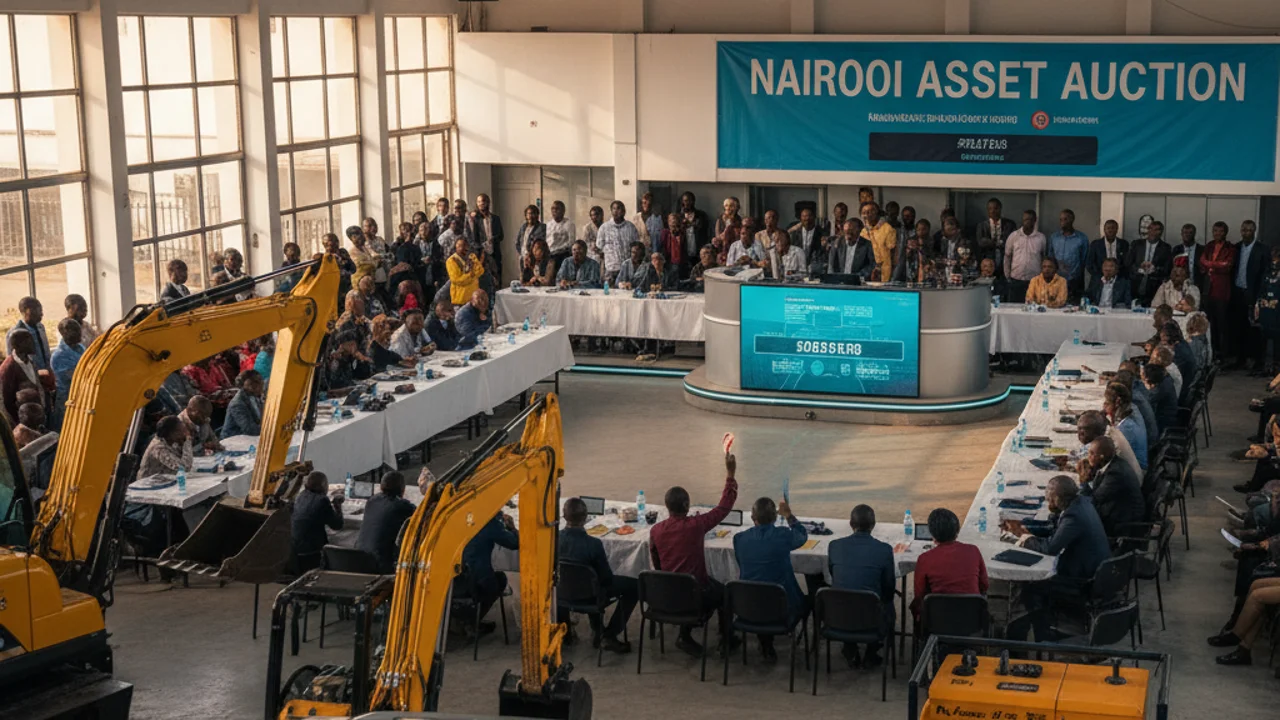
Procedure for Acquiring Govt Seized Assets Kenya
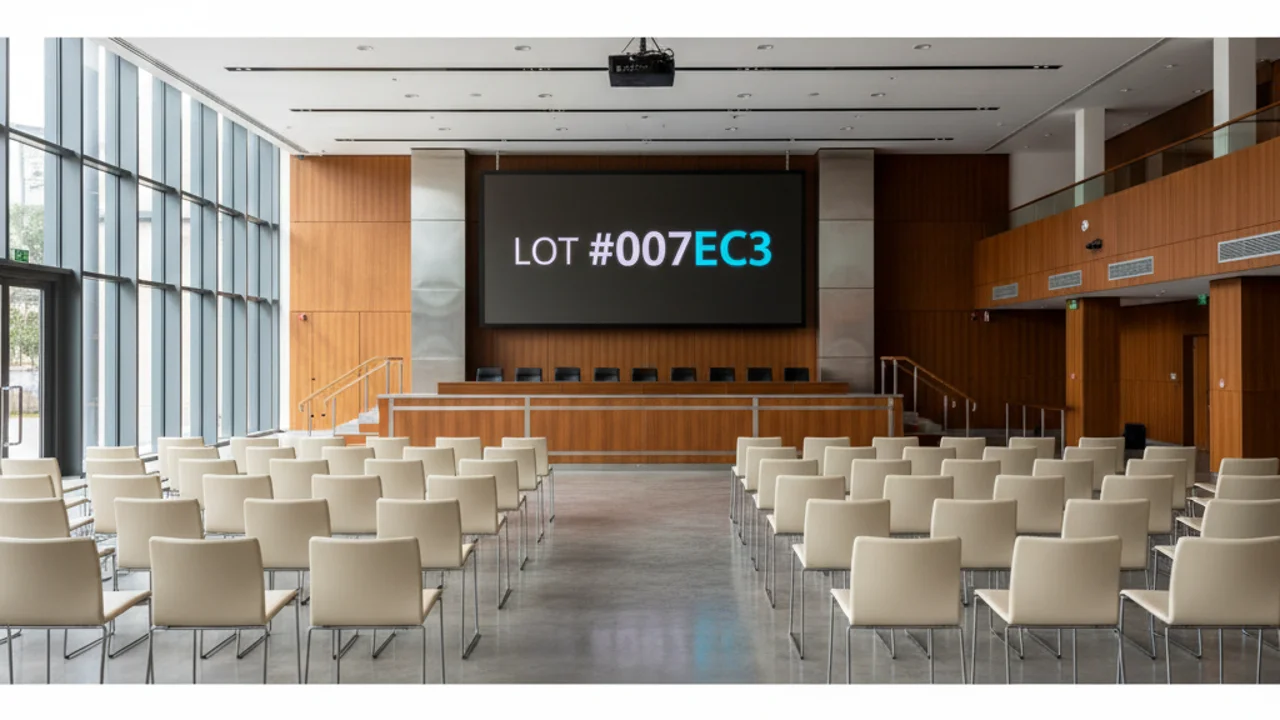
Acquiring govt seized assets Kenya involves a structured public auction process. The first step is typically the public notification of the auction, which must be advertised in widely circulated newspapers, local dailies like the Daily Nation or The Standard, and sometimes through official Kenya Gazette notices. These advertisements specify the date, time, location, and a list of assets for sale. Prospective bidders are usually given an opportunity to inspect the assets prior to the auction date. A valuation report by a registered valuer often accompanies the notice, providing a guide to the asset's worth, though sales are typically “as is where is.”
On the auction day, bidders must register and adhere to the Conditions of Sale set by the auctioneer and the instructing authority. This often includes paying a refundable deposit to obtain a bidding card. Bidding then commences, with the highest bidder securing the asset, provided the reserve price (if any) is met. Immediate payment of a percentage (e.g., 25%) of the hammer price is usually required, with the balance paid within a specified period, often 7 or 14 days. Failure to comply can lead to forfeiture of the deposit and resale of the asset. Swipe Recoveries Experts Ltd guides clients through each stage, from identifying legitimate auctions of govt seized assets Kenya to navigating the bidding process and completing post-auction payment and transfer formalities, ensuring a seamless and compliant acquisition experience.
Debt Recovery & Auctioneering Coverage in Kenya
Swipe Recoveries Experts Ltd provides commercial recovery, skip tracing, and auctioneering services across Kenya and all 47 counties in Kenya.
Costs and Fees Associated with Govt Seized Assets Kenya Auctions

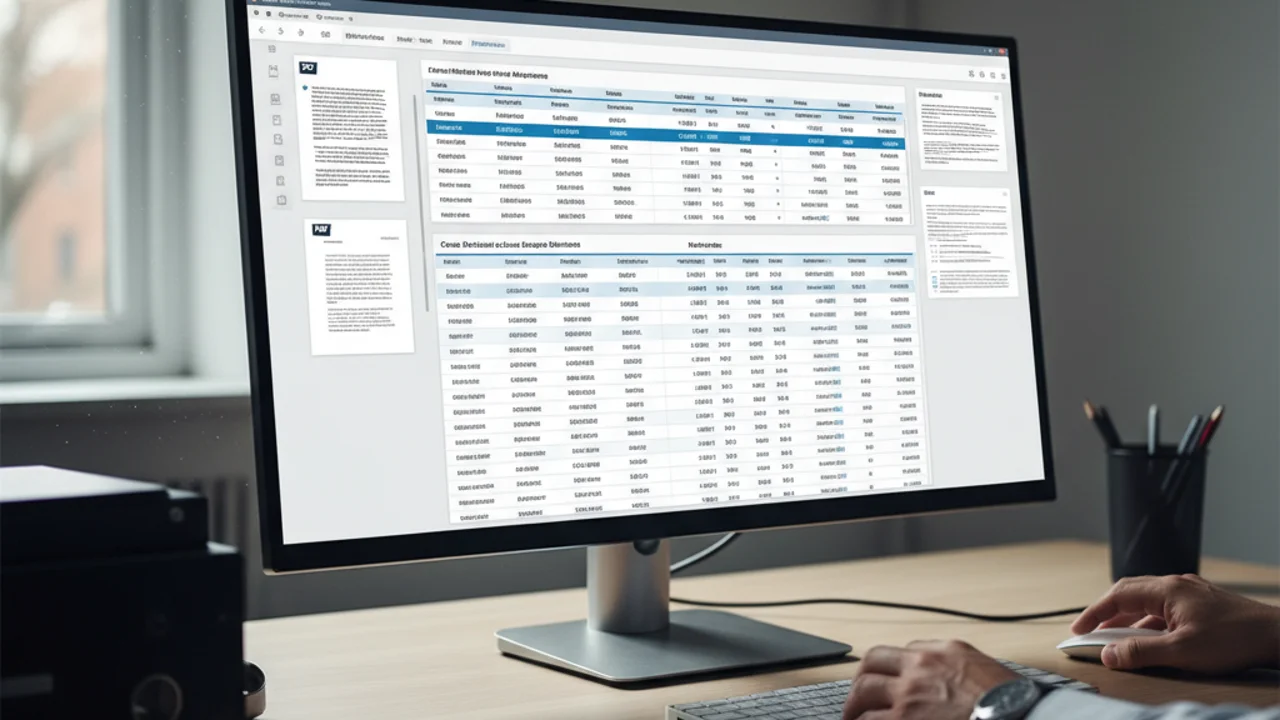
When participating in auctions for govt seized assets Kenya, understanding the associated costs and fees is critical for budgeting and informed decision-making. The primary cost is the final hammer price of the asset. Beyond this, buyers should account for auctioneer's fees, which are typically statutory and regulated by the Auctioneers Act Cap 526. Schedule 2 of the Act outlines a percentage-based fee structure, often ranging from 2.5% to 5% of the sale price, depending on the value of the asset. For example, for movable assets, it might be 5% on the first KES 40,000 and 2% on the excess, while for immovable property, it could be a lower percentage on higher values.
Other potential costs include Value Added Tax (VAT) on the auctioneer's commission, storage fees if assets are not collected promptly, transfer fees, legal fees for perfecting titles, and stamp duty where applicable (especially for land or vehicles). Due diligence costs, such as engaging a surveyor or mechanic for inspection, should also be factored in. While the government aims to recover costs, transparency in fees is maintained. Swipe Recoveries Experts Ltd provides comprehensive guidance on these financial aspects, offering clarity on all potential charges involved in acquiring govt seized assets Kenya to help clients budget accurately and avoid unforeseen expenses, ensuring a straightforward and cost-effective acquisition.