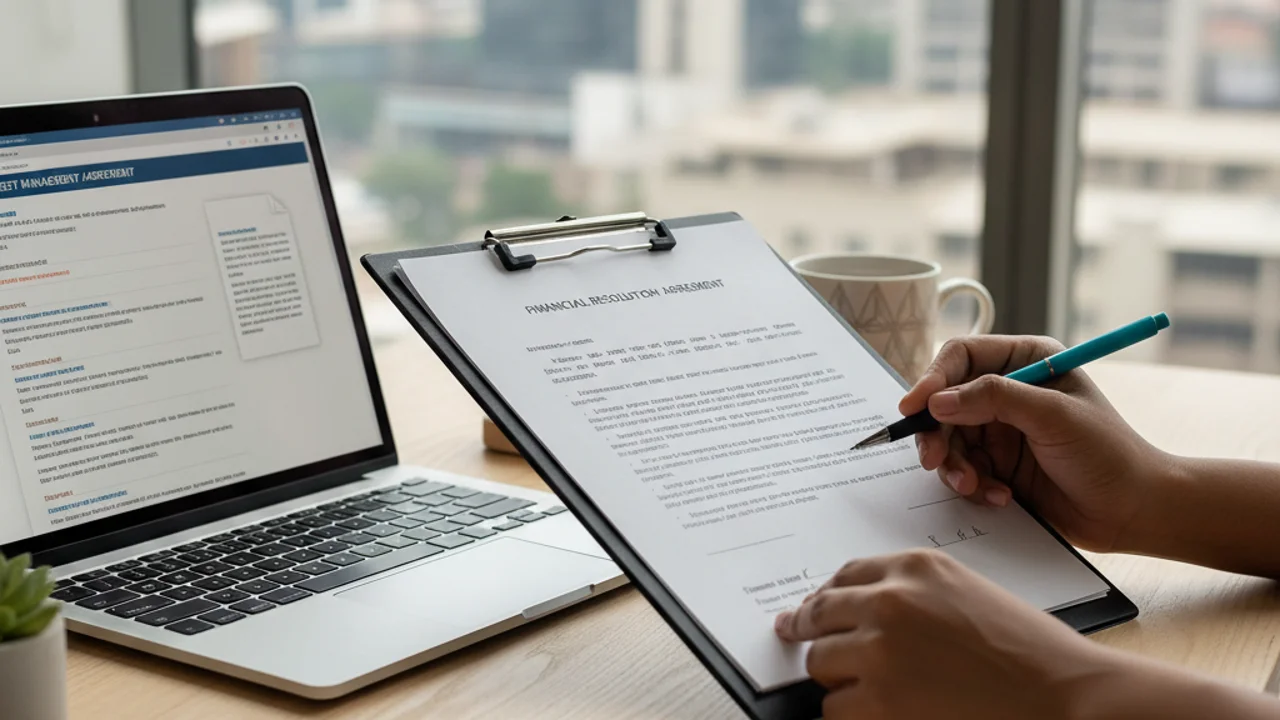
Understanding Nairobi's Foreclosed Property Auction Landscape
Navigating the complexities of a foreclosed property auction Nairobi demands expertise and a clear understanding of the legal and procedural frameworks governing distressed asset sales in Kenya. Swipe Recoveries Experts Ltd specialises in demystifying this process, offering comprehensive services from initial asset identification to successful acquisition. We understand that purchasing a foreclosed property can be a lucrative investment, but it requires diligence to ensure compliance with the Insolvency Act, 2015 and relevant property laws. Our team provides tailored solutions, ensuring you are well-informed and prepared at every stage, from due diligence to the final bid, making the often-intimidating auction process transparent and manageable.
Legal Framework and Due Diligence for Auctions
In Kenya, the auctioning of foreclosed properties is primarily governed by the Land Act, 2012, the Insolvency Act, 2015, and the Auctioneers Act, 2010. These statutes outline the rights and obligations of lenders, borrowers, and auctioneers, ensuring a fair and regulated process. Understanding these legal pillars is crucial for any prospective buyer at a foreclosed property auction Nairobi. Key considerations include verifying the title deed, identifying any encumbrances or charges registered against the property under the Registration of Titles Act, and confirming that the auction adheres to statutory notice periods and advertisement requirements. Swipe Recoveries Experts Ltd conducts thorough due diligence, including title searches at the Lands Registry, to uncover any potential legal or ownership disputes that could affect your investment. This meticulous approach mitigates risks and provides peace of mind.

The Auction Process: Step-by-Step Guidance
Participating in a foreclosed property auction Nairobi involves a structured process designed to achieve a transparent sale. Typically, the auctioneer, licensed under the Auctioneers Act, 2010, publishes a sale by public auction notice in at least two daily newspapers of national circulation, as mandated by law. This notice includes details of the property, the reserve price, and the date and venue of the auction. Potential bidders are advised to conduct site visits, review the property's legal documents, and understand the terms and conditions of sale before the auction day. On the auction day, interested parties register and receive bidding numbers. The auctioneer calls for bids, and the property is sold to the highest bidder at or above the reserve price. Swipe Recoveries Experts Ltd guides clients through each step, from understanding the bidding increments to the immediate payment of a deposit, usually a percentage of the purchase price in accordance with the sale agreement.
Debt Recovery & Auctioneering Coverage in Nairobi, Kenya
Swipe Recoveries Experts Ltd provides commercial recovery, skip tracing, and auctioneering services across Nairobi, Kenya and all 47 counties in Kenya.
Costs, Fees, and Expert Auctioneering Services

When engaging in a foreclosed property auction Nairobi, prospective buyers must factor in various costs beyond the hammer price. These typically include a deposit paid on the day of the auction (often 10-25% of the purchase price), with the balance payable within a stipulated period, usually 30-90 days. Stamp duty, levied by the Kenya Revenue Authority (KRA), is another significant cost, calculated as a percentage of the property's value. Legal fees for transferring the title and registration charges at the Lands Registry are also essential considerations. Swipe Recoveries Experts Ltd offers competitive auctioneering services, ensuring that all associated fees are clearly communicated and that the auction is conducted ethically and efficiently. Our fees for specialised auctioneering and advisory services are transparent, providing value that far exceeds the initial investment, especially when securing high-value assets in Nairobi.