Navigating the Vibrant World of Fine Art Auctions in Kenya
The landscape of fine art auctions in Kenya is a dynamic and growing market, attracting both seasoned collectors and new enthusiasts. With a rich artistic heritage and a burgeoning contemporary art scene, Kenya offers a compelling environment for acquiring valuable artworks. From established masters to emerging talents, these auctions provide a platform for artists to showcase their creations and for buyers to invest in unique cultural assets. Understanding the market trends, valuation methodologies, and legal considerations is key to successful participation. Swipe Recoveries Experts Ltd stands as a leading authority, offering unparalleled expertise in managing and advising on fine art auctions across Kenya, ensuring transparent and secure transactions for all stakeholders.
The Kenyan Art Market and Auction Landscape
Kenya's fine art market has experienced significant growth over the past decade, driven by increased local appreciation and international interest in East African art. The market is characterized by a vibrant ecosystem of artists, galleries (such as the Circle Art Gallery, One Off Contemporary Art Gallery, and GoDown Arts Centre), and increasingly, auction houses. These institutions are instrumental in bringing artworks to a broader audience. Key to the integrity of fine art auctions in Kenya is the emphasis on provenance—the documented history of an artwork's ownership—and its authenticity. These factors directly influence an artwork's value and market desirability. Reputable auctioneers like Swipe Recoveries Experts Ltd work diligently to verify the legitimacy of pieces, often collaborating with experts in art history and conservation. The National Museums of Kenya and the Kenya National Archives also play a role in preserving cultural heritage, indirectly influencing the market for historical or culturally significant art. The rising profile of Kenyan artists, both historical figures and contemporary talents, has cemented Kenya's position as a significant hub for fine art in Africa, making its auctions exciting investment opportunities. Understanding this landscape is vital for engaging effectively.

Buying and Selling Art at Kenyan Auctions: Process & Compliance
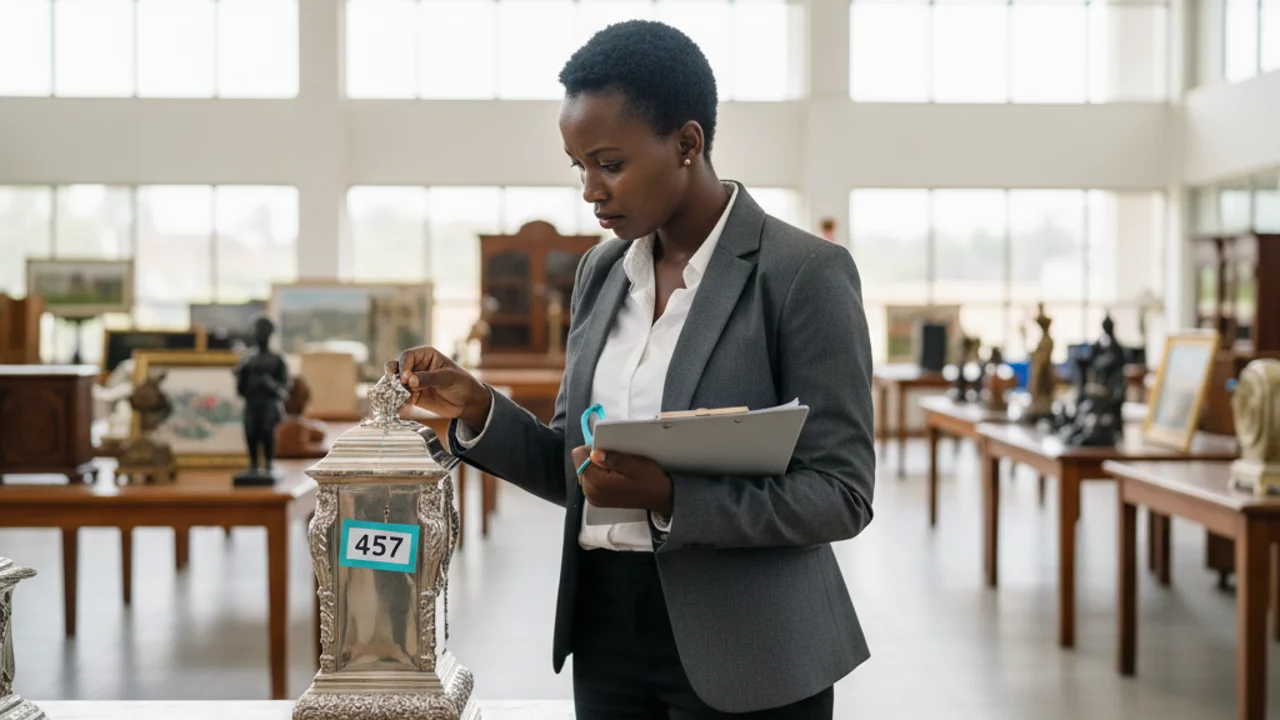
Participating in fine art auctions in Kenya, whether as a buyer or a seller, involves a structured process governed by established best practices and the Auctioneers Act 1996. For sellers, the process begins with consigning artwork, which entails expert valuation by an accredited appraiser, professional photography, and detailed cataloguing. Setting a realistic reserve price is crucial. The artwork is then marketed to a wide network of potential buyers, both locally and internationally. For buyers, pre-auction viewing periods are essential for physical inspection and reviewing comprehensive condition reports. Registration is required to obtain a bidding paddle, and bids can be placed in person, by phone, or online. Post-auction, prompt payment is expected, followed by arrangements for secure collection or shipping. Legal compliance is paramount: auctioneers must be licensed, and transactions adhere to consumer protection laws. While Kenya does not explicitly have artist's resale rights (droit de suite) legislation, ethical considerations around fair compensation for artists are increasingly discussed. For high-value or culturally significant pieces, export regulations, potentially involving the Ministry of Sports, Culture and Arts, might apply to preserve national heritage. Swipe Recoveries Experts Ltd navigates these complexities, providing expert guidance and ensuring seamless, legally compliant transactions for all art enthusiasts.
Debt Recovery & Auctioneering Coverage in Kenya
Swipe Recoveries Experts Ltd provides commercial recovery, skip tracing, and auctioneering services across Kenya and all 47 counties in Kenya.
Understanding Valuation, Fees, and Investment in Kenyan Art
The valuation of fine art in Kenya is a nuanced process influenced by several critical factors. These include the artist’s reputation and career trajectory, the rarity and historical significance of the piece, its provenance, the medium, size, and overall condition. Market trends, exhibition history, and demand from collectors also play significant roles. Fees associated with fine art auctions typically include a seller’s commission, ranging from 10% to 20% of the hammer price, and a buyer’s premium, usually between 15% and 25% of the hammer price, added to the winning bid. For example, a KES 500,000 artwork might incur a KES 50,000 seller commission and a KES 75,000 buyer's premium. Additional costs could include insurance, cataloguing fees, and shipping. Investing in Kenyan art can yield significant returns, both financial and cultural. Researching artists, understanding market cycles, and diversifying your collection are key investment strategies. Swipe Recoveries Experts Ltd provides comprehensive advice on valuation, transparent fee structures, and insights into the Kenyan art market, helping you make informed investment decisions.