Understanding Public Auctions for Repossessed Assets
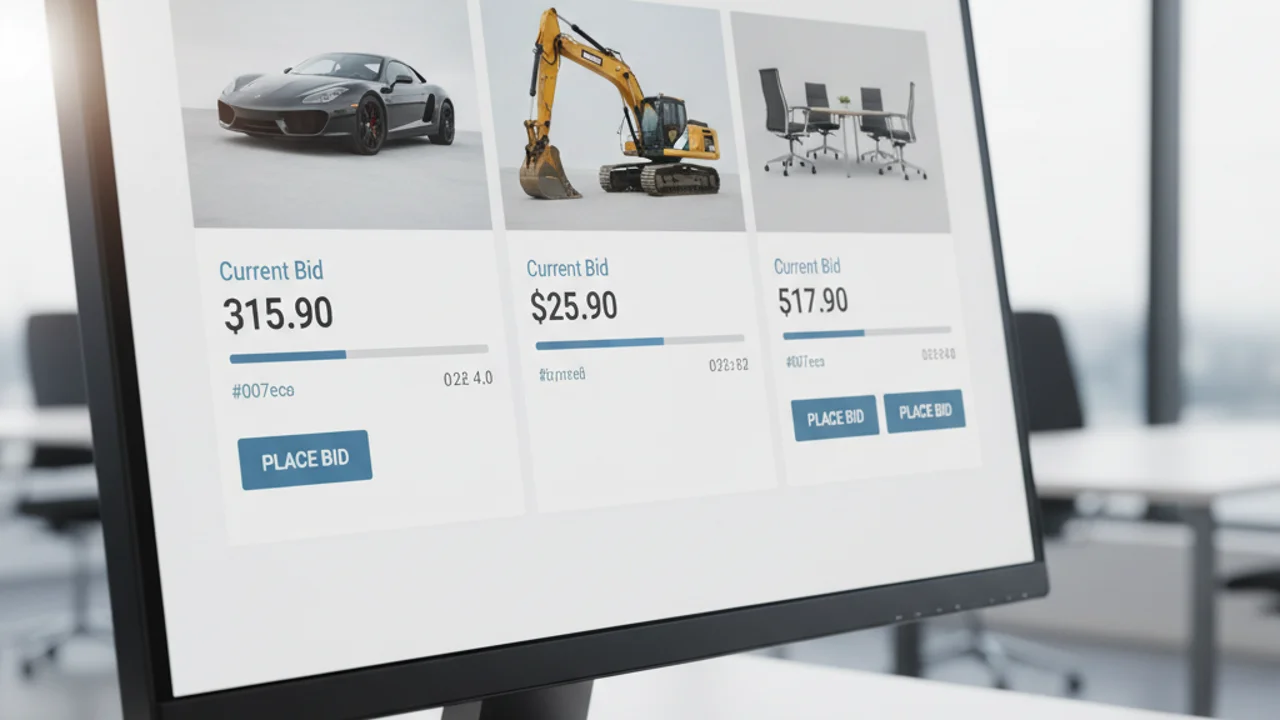
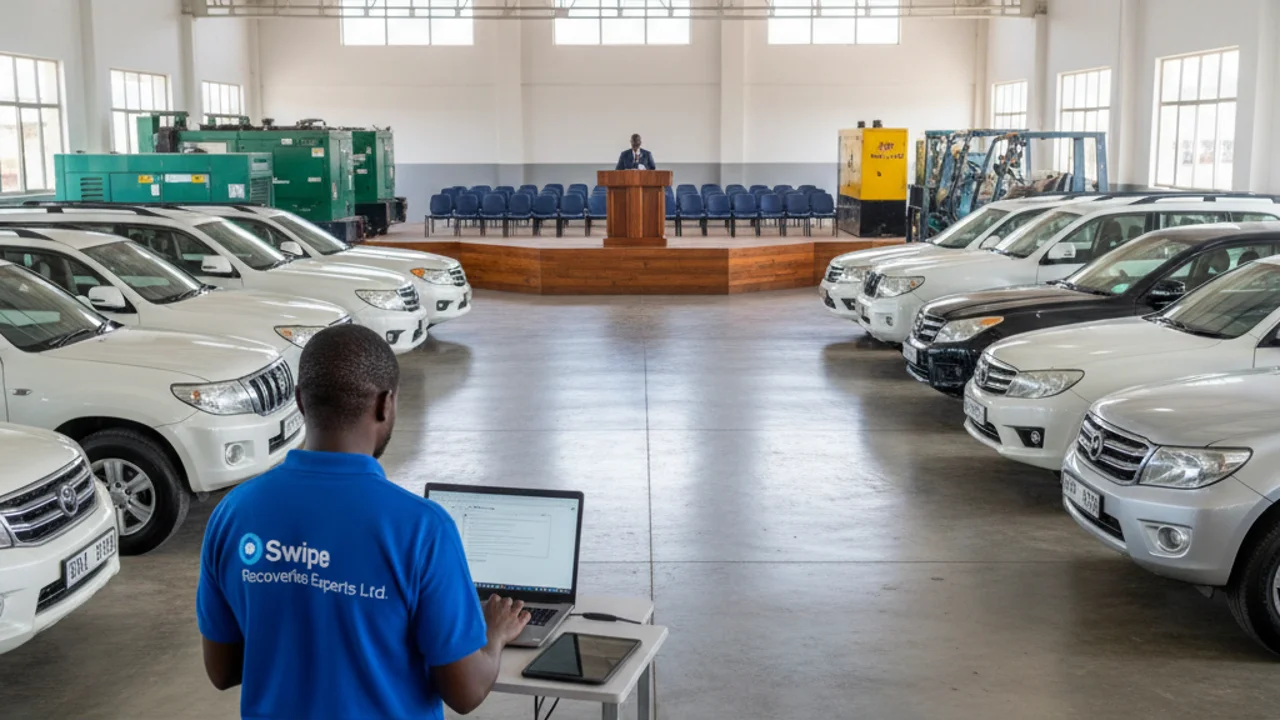
The phrase 'auction Eldoret repossessed' often brings to mind opportunities to acquire valuable assets like vehicles, machinery, and property at competitive prices. Public auctions are a regulated and transparent final step in the debt recovery process, allowing creditors like banks and SACCOs to recover funds from defaulted loans. For prospective buyers, they offer a legitimate channel to purchase items 'as-is, where-is'. For creditors, a well-managed auction is critical for maximizing recovery value. Swipe Recoveries Experts Ltd, as licensed auctioneers, provides comprehensive auctioneering services in Eldoret, ensuring the entire process is conducted in strict compliance with Kenyan law for the benefit of all parties.
The Legal Process of Auctioning Repossessed Goods in Kenya
The auctioning of repossessed assets in Eldoret and across Kenya is not an arbitrary process. It is strictly governed by the Auctioneers Act (Cap 526) and its accompanying rules, which are enforced by the Auctioneers Licensing Board. Before an asset can be sold at a public auction, a specific legal protocol must be followed. First, the creditor (e.g., a bank) must have a legal right to repossess and sell the asset, usually stipulated in the loan agreement or chattel mortgage, or through a court order for the execution of a decree.
Once a licensed auctioneer like Swipe Recoveries is instructed, they must issue a Proclamation of Attachment to the debtor, giving them a set period to settle the debt. If the debt remains unpaid, the auctioneer then issues a Notification of Sale. The law mandates a minimum notice period before the sale can occur: typically 14 days for movable goods (like cars and furniture) and 45 days for immovable property (land and buildings). Crucially, the auction must be publicly advertised in one of the mainstream newspapers with national circulation, such as the Daily Nation or The Standard. This advertisement contains key details: the date, time, and location of the auction, a description of the goods, and the conditions of sale.

How to Participate in an Eldoret Auction: A Bidder's Guide
Participating in an auction for repossessed goods in Eldoret can be a rewarding experience if you are well-prepared. Here is a step-by-step guide for prospective bidders.
1. Identify Auctions: Regularly check the classifieds sections of the Daily Nation and The Standard newspapers for auction advertisements. Alternatively, you can contact our offices directly to inquire about upcoming auctions managed by Swipe Recoveries.
2. Inspect the Goods: The auction advertisement will specify a viewing day and location. It is crucial to attend this viewing. All goods at auction are sold on an 'as is, where is' basis under the principle of caveat emptor (buyer beware). This is your opportunity to inspect the vehicle's condition, check the property's title, or assess the machinery's state.
3. Register and Pay a Deposit: To be eligible to bid, you will be required to pay a refundable bidding deposit. The amount varies depending on the asset's value, for example, KES 50,000 - KES 100,000 for a motor vehicle or KES 500,000+ for a property. This deposit is returned if you do not win any bids.
4. The Bidding: On auction day, listen carefully as the auctioneer reads the conditions of sale. Bidding is a transparent process. The highest genuine bidder when the hammer falls wins.
5. Post-Auction Formalities: If you are the successful bidder, you are typically required to immediately pay 25% of the purchase price (your bidding deposit forms part of this). The balance of 75% is then payable within a stipulated timeframe, usually 30 days for vehicles and up to 90 days for land.
Debt Recovery & Auctioneering Coverage in Eldoret, Kenya
Swipe Recoveries Experts Ltd provides commercial recovery, skip tracing, and auctioneering services across Eldoret, Kenya and all 47 counties in Kenya.
Understanding Auction Costs for Creditors & Bidders

Both creditors instructing the auction and successful bidders need to be aware of the associated costs. For bidders, the final cost is the 'hammer price' plus any applicable taxes like VAT. It is also important to factor in subsequent costs such as vehicle transfer fees or stamp duty and legal fees for property transfers.
For our clients (the creditors), the goal is to maximize net recovery. The costs deducted from the sale proceeds include several components. The Auctioneer's fees are gazetted in the Auctioneers Rules and are typically a percentage of the sale price. Other significant costs include newspaper advertising, which can range from KES 30,000 to over KES 100,000 depending on the ad size. Additional costs may involve storage and security for repossessed vehicles, and legal fees. Swipe Recoveries Experts Ltd manages this entire process, providing a clear cost breakdown to ensure transparency and a focus on achieving the highest possible sale price for your asset.