Understanding Repossession Auctions in Nairobi
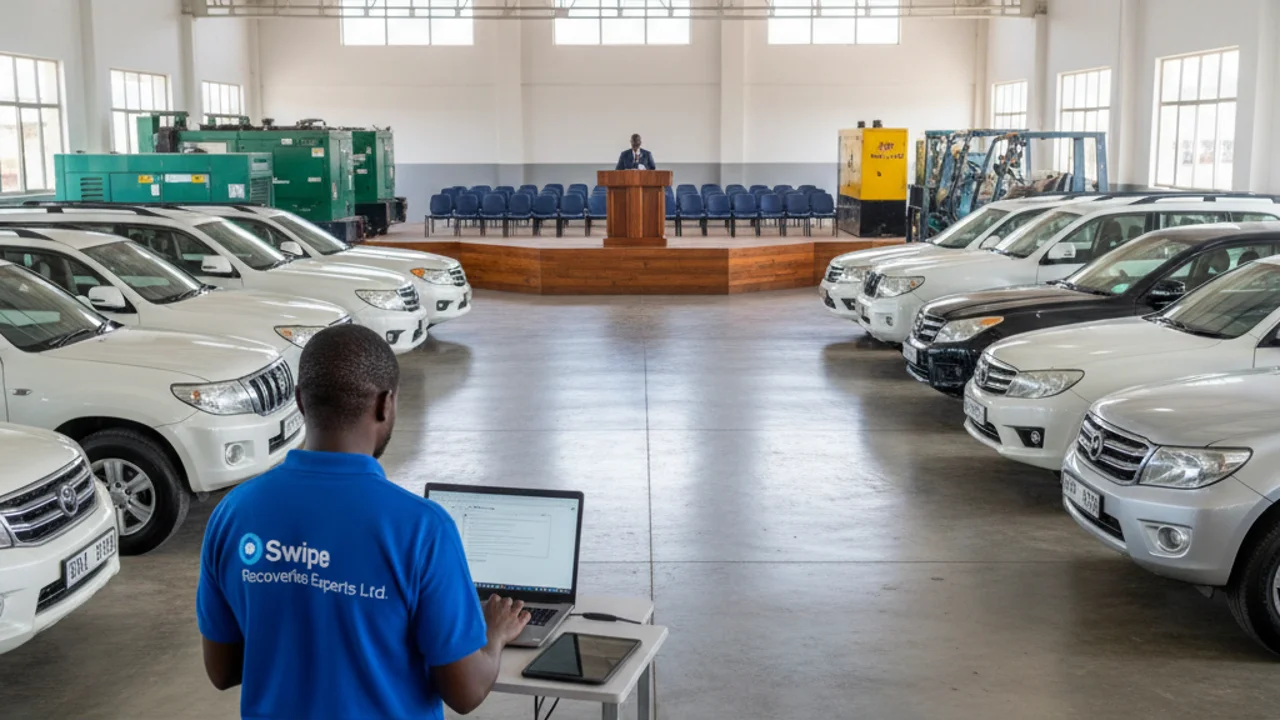
A Nairobi repossession auction serves as a crucial marketplace for the sale of assets that have been seized due to loan defaults, making them available to the public. These auctions provide an opportunity for buyers to acquire vehicles, machinery, and other movable property at competitive prices, while also allowing financial institutions and creditors to recover outstanding debts. The process is governed by specific legal provisions to ensure fairness and transparency for all parties involved. Swipe Recoveries Experts Ltd specializes in managing these complex repossessions and subsequent auctions in Nairobi, ensuring a seamless and legally compliant process from asset recovery to final sale, delivering results that matter for both creditors and prospective buyers.
Legal Framework for Repossession Auctions in Kenya
Repossession auctions in Kenya, including those conducted in Nairobi, are underpinned by a strict legal framework designed to protect both the creditor's rights and the debtor's interests. The primary legislation governing the process includes the Hire Purchase Act Cap 507 for goods bought on installment plans, and more broadly, the Movables Property Security Rights Act 2017 (MPSR Act), which modernized the framework for secured lending against movable assets. For vehicles, the Traffic Act (Cap 403) and regulations by the National Transport and Safety Authority (NTSA) are relevant for ownership transfer. The Auctioneers Act Cap 526 dictates the conduct and licensing of auctioneers involved in these sales, mandating proper notices and advertising. Creditors must issue statutory notices of default and intention to repossess and sell, giving debtors adequate time to rectify the default before a repossession auction can proceed legally in Nairobi.

The Repossession Auction Process in Nairobi: Steps & Requirements
Participating in a Nairobi repossession auction involves several key steps. For creditors, the process begins with issuing demand notices, followed by lawful repossession of the asset. Once secured, the asset is typically stored, valued, and then advertised for public auction in national dailies and potentially the Kenya Gazette, adhering to specific notice periods. For potential buyers, the process involves attending pre-auction viewing days to inspect items, as most goods are sold on an 'as is, where is' basis. On the auction day, bidders must register, often with a refundable deposit, and present valid identification (National ID/Passport) and KRA PIN. Bidding is competitive, and upon the fall of the hammer, the highest bidder is required to pay an immediate deposit (e.g., 25% of the purchase price), with the balance due within a short period, usually 7 days. Swipe Recoveries Experts Ltd meticulously manages each stage, from lawful asset recovery to the final transfer of ownership.
Debt Recovery & Auctioneering Coverage in Nairobi, Kenya
Swipe Recoveries Experts Ltd provides commercial recovery, skip tracing, and auctioneering services across Nairobi, Kenya and all 47 counties in Kenya.
Costs, Fees & Practical Tips for Nairobi Repossession Auctions
When engaging in a Nairobi repossession auction, understanding the cost implications is vital. For creditors, costs include repossession fees (variable, KES 5,000-20,000 for vehicles), storage fees (daily rates, KES 500-2,000 for vehicles), valuation fees (0.25%-0.5% of asset value), advertising costs (KES 5,000-20,000 per advert), and auctioneer's commission (statutory rates, e.g., 2.5% on first KES 100,000, 1.25% on next KES 900,000). Buyers need to factor in the hammer price, any buyer's premium (if applicable, typically 5-10%), and transfer fees (e.g., NTSA transfer fees for vehicles). Practical tips for buyers include thorough inspection of assets, budgeting for potential repairs, and verifying documentation. For creditors, ensuring legal compliance at every step is crucial to avoid disputes. Swipe Recoveries Experts Ltd provides clear cost breakdowns and expert guidance for all parties involved in repossession auctions across Nairobi.