Understanding Secured Loan Repossession in Kenya
When a borrower defaults on a secured loan, secured loan repossession becomes a critical process for lenders to recover their assets. This intricate legal procedure in Kenya, governed by specific statutes, allows creditors to take possession of collateral pledged against a debt. At Swipe Recoveries Experts Ltd, we provide professional, legally compliant, and efficient repossession services in Nairobi and across Kenya. Our expertise ensures that the process is handled with utmost diligence, protecting the rights of all parties while securing the lender's interests effectively and expeditiously. We specialize in navigating the complexities of Kenyan law to achieve optimal recovery outcomes.
Legal Frameworks Governing Secured Loan Repossession in Kenya
The process of secured loan repossession in Kenya is strictly regulated by several key legislative frameworks designed to protect both lenders and borrowers. The primary statutes include the Chattels Transfer Act (Cap. 28), which governs the transfer and repossession of movable property used as security, and the Hire Purchase Act (Cap. 507), applicable when goods are leased with an option to purchase. For immovable property, the Land Act (No. 6 of 2012) and the Land Registration Act (No. 3 of 2012) dictate the procedures for charges and mortgages, including the power of sale. Additionally, the Auctioneers Act (Cap. 526) and its rules prescribe the conduct for licensed auctioneers who execute repossession and subsequent sale of collateral.
These laws mandate specific procedures, such as issuing a formal notice of default and allowing a statutory redemption period before any repossession can occur. Failing to adhere to these legal requirements can lead to severe penalties and invalidate the repossession. For example, under the Chattels Transfer Act, a lender must often provide a written notice of intention to repossess, allowing the borrower time to rectify the default. Swipe Recoveries Experts Ltd, situated conveniently at International Life Hse, 8th Floor, Mama Ngina Street, Nairobi, ensures full compliance with these statutes, working closely with the Auctioneers Licensing Board and legal counsel to execute lawful and efficient repossession activities, thereby safeguarding our clients' interests against legal challenges.

Repossession Procedure, Documentation, and Compliance Requirements
The step-by-step process for secured loan repossession in Kenya demands meticulous adherence to legal protocols and documentation. Initially, a lender must issue a formal statutory demand notice or notice of default, giving the debtor a prescribed period (e.g., 21 days for chattels, 40 days for hire purchase agreements, or longer for land under the Land Act) to remedy the breach. If the default persists, the lender instructs a licensed auctioneer or a specialized recovery firm like Swipe Recoveries Experts Ltd.
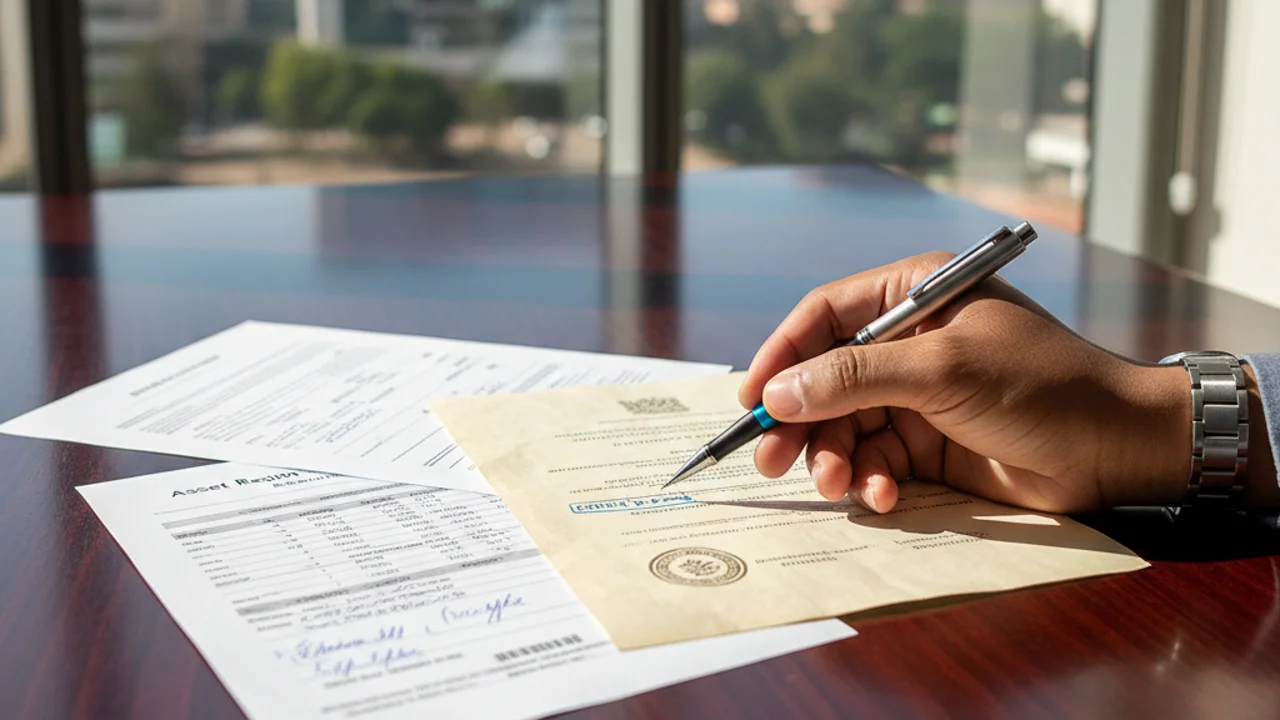
Key documentation required includes the original loan agreement, security documents (e.g., logbook for vehicles, title deed for land, chattel mortgage agreement), evidence of default, and copies of all notices served. Our team meticulously verifies all paperwork, ensuring its validity and completeness before initiating any action. Repossession is then carried out by licensed personnel, adhering to ethical standards and legal boundaries, particularly respecting privacy and avoiding breach of peace. Post-repossession, the collateral is typically stored securely pending a public auction or sale by private treaty, following further statutory notices and valuation requirements. We ensure all compliance checks, including proper vehicle identification (chassis number, registration), asset verification, and accurate record-keeping, are strictly followed to prevent legal disputes and ensure a smooth recovery process. Swipe Recoveries Experts Ltd is dedicated to transparent and lawful execution of every repossession.
Cost Implications and Practical Guidance for Repossession Services

Understanding the cost structure for secured loan repossession is crucial for lenders. The fees for repossession services in Kenya typically comprise several components. These include the auctioneer's fees, which are regulated by the Auctioneers Act and its rules, often calculated as a percentage of the value of the goods repossessed or sold. For instance, basic repossession charges might start from KES 15,000 to KES 50,000 depending on complexity and location within Nairobi, excluding transport and storage. Additional costs may arise from legal advice, court orders if required, secure storage of the repossessed asset, valuation fees, and advertising costs for public auction.
Swipe Recoveries Experts Ltd offers transparent fee structures, providing clients with a detailed breakdown of anticipated expenses upfront. While fees can vary, a typical repossession and sale process for a vehicle in Nairobi might incur total costs ranging from KES 50,000 to KES 200,000+, depending on the asset's value, legal intricacies, and eventual sale method. We emphasize swift and efficient recovery to minimize storage and prolonged legal costs. Our expertise at our Nairobi office (International Life Hse, 8th Floor) ensures cost-effective solutions while maintaining high standards of professionalism and compliance. We provide practical guidance on managing the repossession lifecycle to optimize recovery rates for financial institutions and other secured lenders.