Unveiling the Financial Realities of SACCO Asset Recovery
Understanding SACCO repossession costs is crucial for both lenders and borrowers in Kenya. When a member defaults on a loan secured by an asset, SACCOs, governed by the SACCO Societies Act, Cap 490B, initiate a recovery process that involves various statutory and operational expenses. These costs can accumulate significantly, impacting the final recovered value. This guide, brought to you by Swipe Recoveries Experts Ltd, delves into the intricacies of these fees, ensuring transparency and compliance.
Legal & Regulatory Framework Governing SACCO Repossession
SACCO repossession in Kenya operates within a strict legal framework designed to protect both the lender and the borrower. The primary legislation includes the SACCO Societies Act, Cap 490B, which governs the establishment and operation of SACCOs, and the Auctioneers Act, Cap 526, which dictates the procedures for repossession, valuation, and sale of movable property. Before any repossession, a SACCO must issue statutory notices, typically a demand notice and a notice of intention to repossess, ensuring the borrower has an opportunity to regularize their account. Should these notices lapse without resolution, the SACCO can then instruct a licensed auctioneer to proceed with the recovery. For motor vehicles, adherence to the National Transport and Safety Authority (NTSA) regulations is paramount, including verification of ownership and liens. The entire process is subject to oversight by the High Court of Kenya or relevant Magistrates' Courts, particularly in cases of dispute or when court orders are required for specific asset types. Compliance with these legal provisions is not optional; any deviation can render the repossession unlawful, leading to significant legal ramifications and financial penalties for the SACCO. Swipe Recoveries Experts Ltd ensures all actions are fully compliant with Kenyan law.
The Repossession Procedure and Associated Requirements
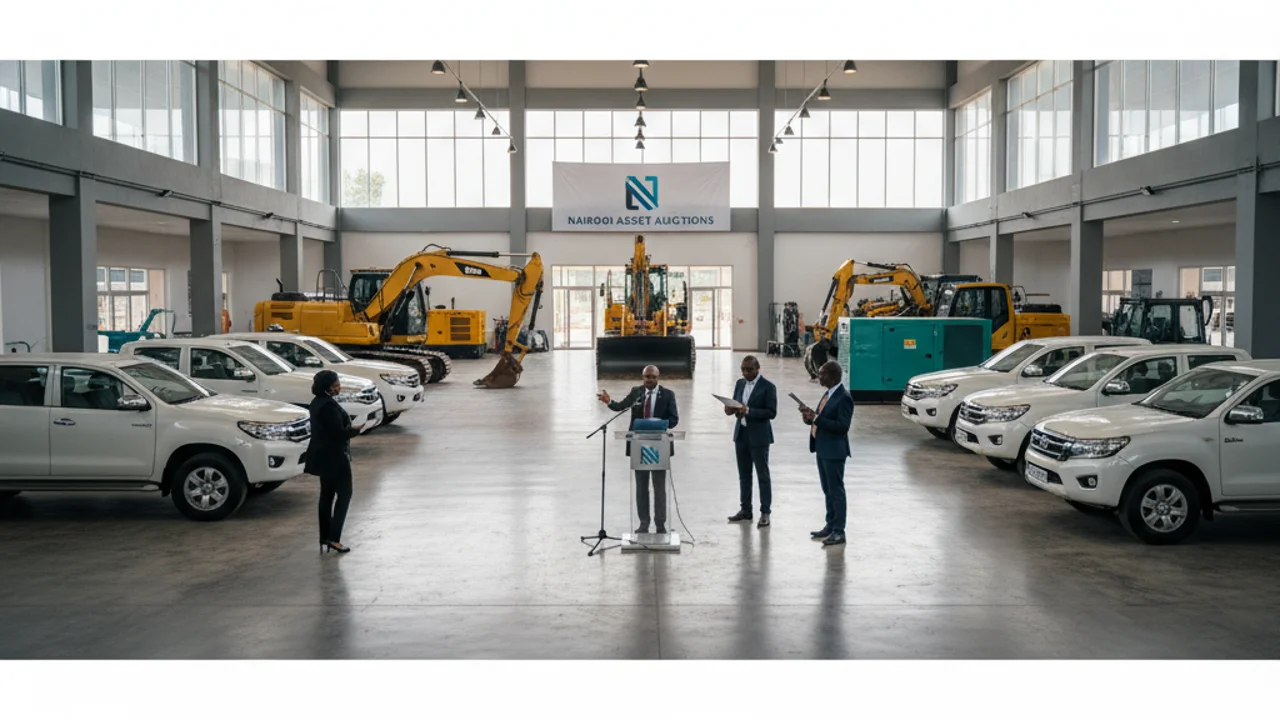
The actual repossession process for a SACCO-financed asset involves several critical steps, each carrying its own set of requirements and potential costs. Initially, after the lapse of statutory notices, the SACCO engages a licensed auctioneer. The auctioneer's role begins with asset identification and verification, often involving a visit to the asset's location. For vehicles, this might include checking the NTSA TIMS system for current details. Next, the asset is seized and transported to a secure storage facility. A mandatory valuation of the repossessed asset must be conducted by a licensed valuer to determine its market value, as stipulated by the Auctioneers Act. This valuation informs the reserve price for the subsequent public auction. The auctioneer is then required to advertise the public sale in at least one daily newspaper of national circulation, giving sufficient notice to the public and the defaulting borrower. All these stages, from seizure to storage, valuation, and advertising, contribute directly to the overall SACCO repossession costs. Ensuring a smooth, legally compliant process minimizes additional charges from unforeseen delays or legal challenges, which is a core expertise of Swipe Recoveries Experts Ltd, operating from our International Life Hse, Mama Ngina Street, Nairobi office.
Detailed Breakdown of Repossession Costs in KES
The total SACCO repossession costs can be categorized into several components, all typically borne by the borrower as per loan agreements. These include: Auctioneer's Fees: As per the scale of fees set by the Auctioneers Act, Cap 526. For example, for movable property, this is usually 10% on the first KES 50,000 and 5% on the next KES 50,000, and 2.5% on any amount above KES 100,000. Valuation Fees: Charged by a licensed valuer, typically ranging from KES 5,000 to KES 20,000 or more, depending on the asset's complexity and value. Storage Charges: Vary significantly based on the asset type (e.g., vehicle, machinery) and duration. These can range from KES 500 to KES 2,000 per day for vehicles in Nairobi. Advertising Costs: Newspaper advertisements for the public auction can cost KES 5,000 to KES 20,000 per insertion. Transportation Costs: Dependent on the distance from the point of repossession to the storage facility, often KES 5,000 to KES 15,000 within Nairobi and its environs. NTSA Charges: For change of ownership or encumbrance updates, approximately KES 1,000. Legal Fees: If court orders are required or disputes arise, legal counsel can incur significant costs, ranging from KES 20,000 upwards. Prudent management of these costs is vital for maximizing recovery, a service Swipe Recoveries Experts Ltd excels in.