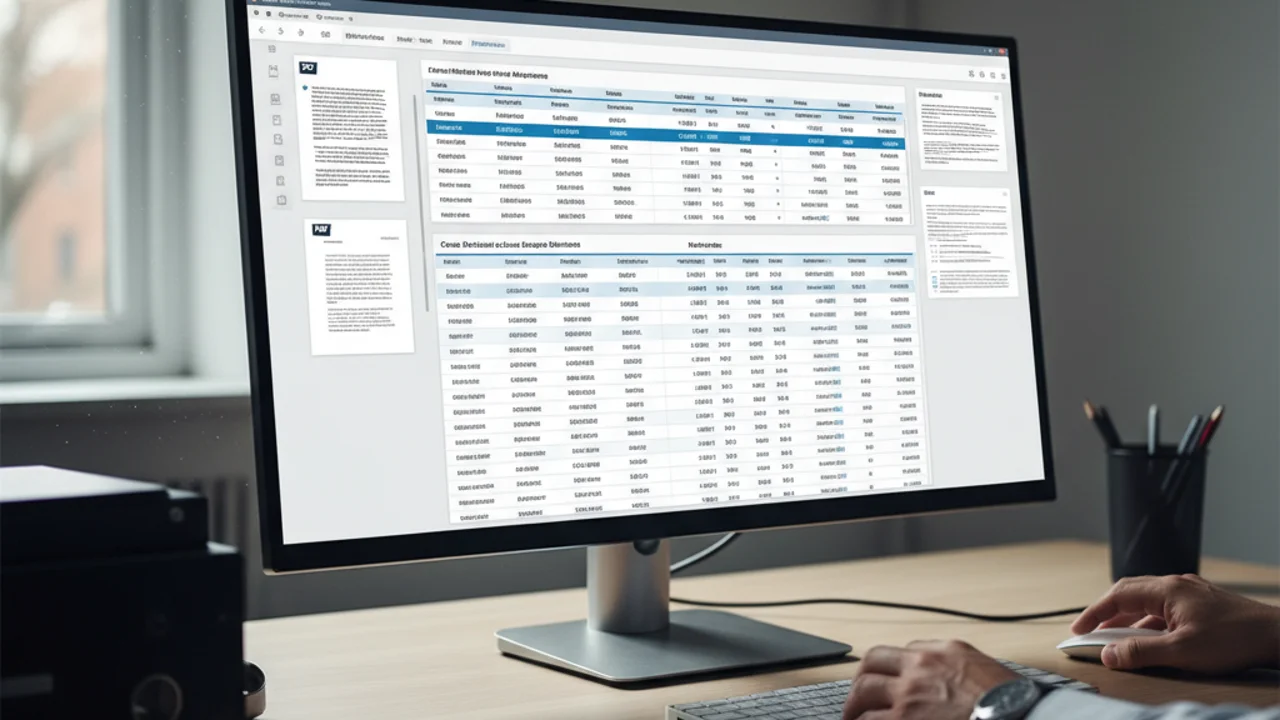
Proactively Identifying and Mitigating Financial Recovery Risks
In today's volatile economic climate, the ability to anticipate and effectively manage potential risks associated with debt recovery is paramount for any business. A thorough recovery risk assessment is not merely a procedural step; it is a strategic imperative that safeguards financial stability and maximizes the likelihood of successful debt collection. Swipe Recoveries Experts Ltd, operating from International Life Hse in Nairobi, specializes in providing in-depth, customized risk assessments. Our expert analysis helps clients understand potential pitfalls, from debtor solvency issues to regulatory hurdles, enabling them to implement proactive strategies that enhance recovery outcomes.
The Importance of a Structured Recovery Risk Assessment
A well-executed recovery risk assessment involves systematically identifying, analyzing, and prioritizing risks that could impede the successful recovery of outstanding debts. This process typically begins with evaluating the financial health and creditworthiness of the debtor. Factors such as their payment history, existing liabilities, market position, and overall economic conditions are scrutinized. Furthermore, the assessment considers external risks, including changes in regulatory frameworks, potential legal challenges, and the effectiveness of existing recovery protocols. For instance, under the Insolvency Act, 2015 in Kenya, understanding a debtor's insolvency triggers and processes is a critical risk factor. Swipe Recoveries Experts Ltd employs a blend of quantitative analysis and qualitative judgment, drawing on extensive industry experience and knowledge of Kenyan commercial law to provide a robust evaluation.

Methodology and Key Components of Our Assessment
Our approach to recovery risk assessment is both comprehensive and tailored to each client's unique situation. We begin by understanding your specific recovery objectives and the nature of the debt in question. Our methodology incorporates several key components: Debtor Profiling: In-depth analysis of the debtor's financial standing, including credit reports, asset searches, and public records. Legal & Regulatory Review: Examination of the legal jurisdiction, contractual terms, and any relevant Kenyan statutes (e.g., Banking Act, 2017, or specific consumer protection laws) that might affect recovery. Operational Risk Evaluation: Assessment of your internal recovery processes, their efficiency, and potential bottlenecks. Market & Economic Factors: Consideration of broader economic trends and industry-specific challenges that could impact debtor repayment capacity. Swipe Recoveries Experts Ltd utilizes advanced skip tracing techniques and asset investigation tools to gather the most accurate and up-to-date information, forming the bedrock of our detailed risk reports.
Translating Assessment into Actionable Risk Management Solutions

The true value of a recovery risk assessment lies in its ability to translate into actionable risk management solutions. Following our assessment, Swipe Recoveries Experts Ltd provides clear, strategic recommendations designed to mitigate identified risks and bolster recovery efforts. These solutions can range from adjusting communication strategies and negotiation tactics to recommending more aggressive legal interventions or restructuring repayment plans. We also advise on the costs associated with different recovery strategies, often presenting options in Kenyan Shillings (KES) to ensure financial clarity. Our goal is to empower clients with the knowledge and tools to navigate recovery challenges effectively, minimize potential losses, and optimize the overall success rate of their debt collection endeavors, all from our Nairobi base.