Navigating Asset Recovery: Understanding Security Repossession in Kenya
When a borrower defaults on a secured loan, lawful security repossession in Kenya becomes an essential process for creditors to recover their investments. Swipe Recoveries Experts Ltd specializes in providing ethical, compliant, and efficient asset recovery services throughout Kenya. Our approach ensures adherence to the stringent legal requirements, safeguarding your interests while mitigating risks. We handle a diverse range of assets, from vehicles to industrial equipment, with professionalism and a commitment to delivering results that matter for our clients.
Legal Framework for Security Repossession in Kenya
The landscape of security repossession in Kenya is primarily governed by specific legislative instruments that outline the rights and responsibilities of both creditors and debtors. The Moveable Property Security Rights Act, 2017 (MPSR Act), is foundational for movable assets, providing a comprehensive framework for the creation, perfection, and enforcement of security interests. This Act mandates clear procedures, including the requirement for specific statutory notices (e.g., a 10-day notice under Section 43 of the MPSR Act) before repossession can be carried out.
For immovable property, the Land Act 2012 and the Land Registration Act 2012 are paramount, stipulating rigorous notice periods (e.g., 90-day and 45-day notices) before a chargee can exercise remedies like appointing a receiver or selling the property. Additionally, the Auctioneers Act (Cap 526) governs the conduct and licensing of auctioneers who are often instrumental in the physical act of repossession and subsequent sale. Swipe Recoveries Experts Ltd operates strictly within these legal parameters, ensuring that every repossession is executed lawfully and without undue distress, protecting our clients from legal challenges and ensuring regulatory compliance with bodies like the Central Bank of Kenya (CBK) where applicable.

The Security Repossession Process: Steps & Compliance
The process for security repossession in Kenya is multifaceted, requiring careful navigation through various stages to ensure compliance. It typically begins after a borrower has defaulted on a loan secured by an asset, and all attempts at amicable resolution have failed. The first critical step involves serving the appropriate statutory notices, as dictated by the type of asset. For movable assets like motor vehicles, this means a formal 10-day notice under the MPSR Act, 2017, informing the debtor of the intent to repossess and providing an opportunity to cure the default. For real estate, more extended notice periods under the Land Act 2012 are required.
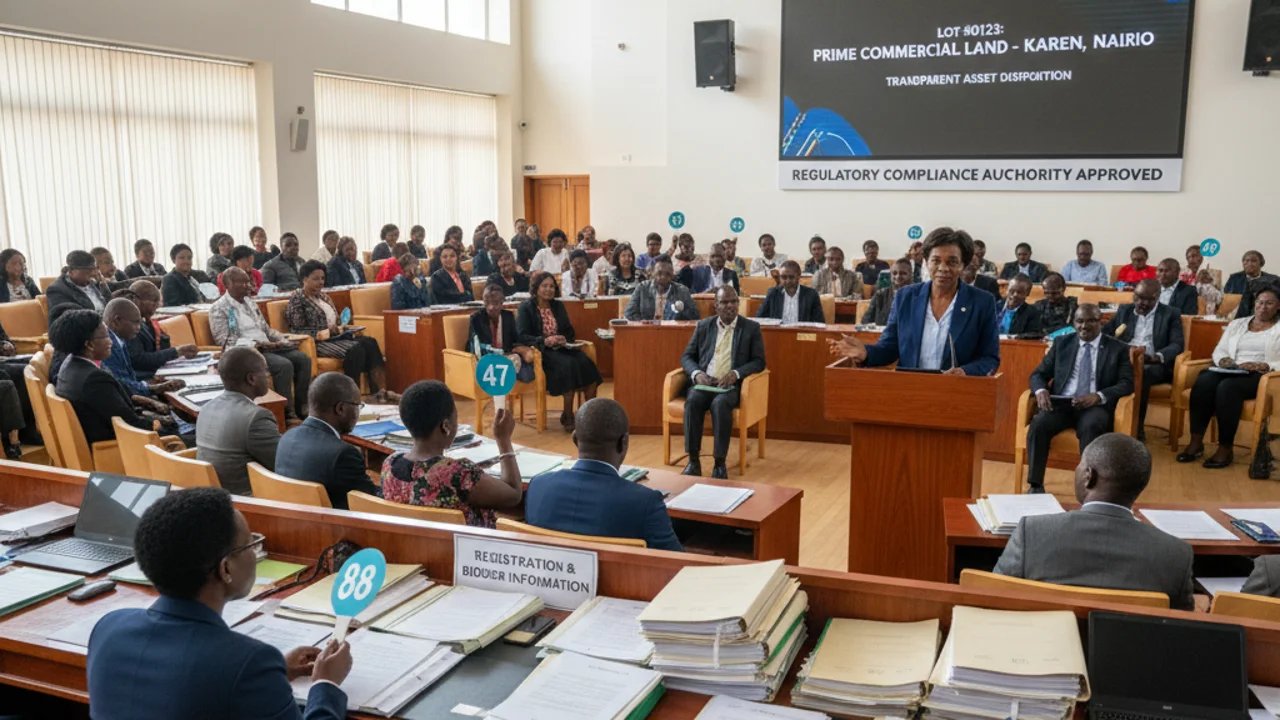
Upon expiry of the notice period without remedy, a licensed auctioneer, working in conjunction with Swipe Recoveries, will proceed with the physical repossession. This stage demands strict adherence to the Auctioneers Act (Cap 526), ensuring proper identification, inventorying of goods, and issuance of a proclamation. All actions must be documented thoroughly, including photographs and detailed reports, to prevent disputes. Our team ensures that all necessary documentation, such as the original security agreement, evidence of default, and copies of all served notices, is meticulously prepared and available, guaranteeing a legally defensible and smooth repossession process in line with Kenyan legal standards.
Debt Recovery & Auctioneering Coverage in Kenya
Swipe Recoveries Experts Ltd provides commercial recovery, skip tracing, and auctioneering services across Kenya and all 47 counties in Kenya.
Cost Implications and Practical Guidance for Repossession (KES)

Understanding the costs involved in security repossession in Kenya is vital for creditors planning such an action. The expenses can include legal fees for drafting notices and court appearances, valuation fees for the repossessed assets, auctioneer fees for the repossession and subsequent sale, and storage costs. Auctioneer fees are regulated by the Auctioneers Act (Cap 526) Scale of Fees, which stipulates a percentage of the value of the goods or property. For example, for movable property, fees might range from 5% to 10% of the sale value, and for immovable property, it could be between 1% and 2.5%, both subject to maximum caps. For a vehicle valued at KES 1,500,000, repossession and sale fees could be between KES 75,000 and KES 150,000.
Valuation reports, essential for determining a fair market price, typically cost between KES 10,000 to KES 40,000 depending on the asset's complexity. Other costs might include towing fees, storage fees (e.g., KES 500-2,000 per day), and security charges. Swipe Recoveries Experts Ltd emphasizes transparent pricing and provides detailed cost breakdowns during our initial consultation. Our goal is to deliver efficient recovery without unnecessary financial burdens, offering practical guidance to manage these expenses effectively throughout the entire security repossession Kenya process.