Understanding Your Rights and Obligations
Understanding Repossession laws Kenya is critical for both lenders and borrowers to ensure fair and lawful proceedings. In Kenya, the process is governed by a complex interplay of statutes, including the Chattels Transfer Act, the Hire Purchase Act, and various contractual agreements. These laws define the rights and responsibilities of parties involved when a secured asset is taken back due to default. Swipe Recoveries Experts Ltd specialises in navigating these intricate legal frameworks, providing clarity and effective solutions for all stakeholders. Our deep understanding ensures that repossession processes are conducted with the utmost professionalism and adherence to legal stipulations, protecting your interests.
Key Legal Frameworks Governing Repossession in Kenya
The legal landscape for repossession in Kenya is primarily shaped by legislation designed to balance the interests of creditors in reclaiming assets and debtors' rights to fair treatment. The Chattels Transfer Act (Cap 28) is fundamental, particularly for secured lending where goods are pledged as security. It dictates the procedures for taking possession of movable property when loan obligations are not met, outlining the requirements for valid charges and the steps a chargee must follow. Similarly, the Hire Purchase Act (Cap 507) provides specific protections for consumers entering into hire-purchase agreements, defining the circumstances under which a seller or owner can repossess goods, often requiring a minimum amount of payment to have been made. Beyond these acts, the Contracts Act (Cap 4) and the Consumer Protection Act (2016) also play significant roles in ensuring contractual fairness and preventing predatory practices. Understanding the nuances of these statutes, including the notification periods and specific default clauses, is essential for a lawful repossession process. Swipe Recoveries Experts Ltd stays abreast of all legislative amendments and judicial interpretations to offer compliant and efficient repossession services.

The Repossession Procedure: Step-by-Step Compliance
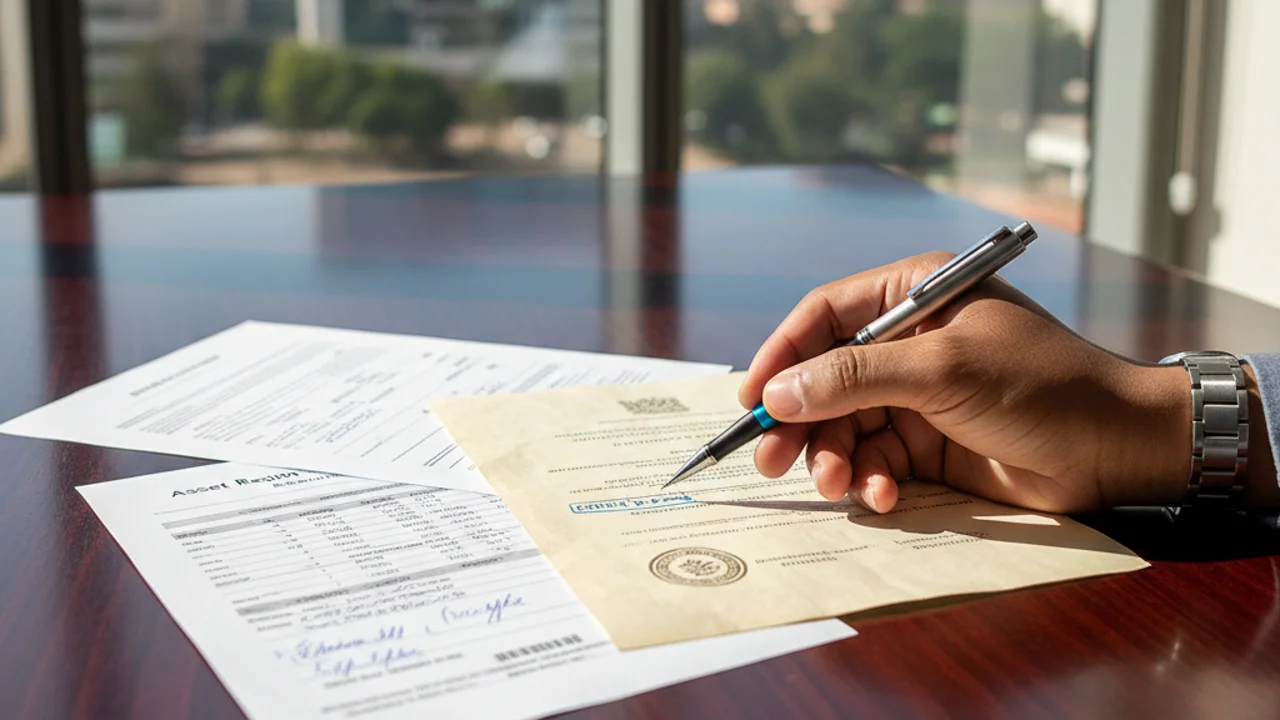
Initiating a lawful repossession in Kenya involves a structured procedural adherence that minimises legal challenges and ensures due process. Typically, the process begins with a formal default notice issued to the debtor, clearly stating the arrears and providing a reasonable timeframe to remedy the default. This notice must comply with the terms of the loan agreement and relevant statutory requirements. If the debtor fails to rectify the situation within the stipulated period, the creditor may then proceed with taking possession of the secured asset. However, the method of repossession must be peaceful and lawful; any use of force or unlawful entry can lead to legal repercussions. For motor vehicles, this often involves engaging licensed recovery agents. For immovable property, the process might involve court orders, especially if the debtor remains in possession. Documentation is paramount throughout this phase, including maintaining records of all notices, communications, and actions taken. Swipe Recoveries Experts Ltd meticulously manages every step, ensuring all legal requirements and documentation are in order, from initial default notices to the final recovery of assets, thereby safeguarding our clients against potential disputes.
Debt Recovery & Auctioneering Coverage in Kenya
Swipe Recoveries Experts Ltd provides commercial recovery, skip tracing, and auctioneering services across Kenya and all 47 counties in Kenya.
Costs, Fees, and Professional Recovery in Kenya

The costs associated with repossession in Kenya can vary depending on the complexity of the case, the type of asset, and the legal fees involved. Lenders typically bear these costs initially, with the aim of recovering them from the sale of the repossessed asset or directly from the debtor if the agreement permits. Standard costs may include legal fees for drafting notices and consulting on legal compliance, recovery agent fees for the physical retrieval of assets, transportation and storage charges for the repossessed item, and potential auctioneering fees if the asset is sold. For example, a standard vehicle repossession might incur costs ranging from KES 15,000 to KES 50,000 or more, depending on the distance and complexity. Swipe Recoveries Experts Ltd operates with transparent fee structures. We aim to recover assets efficiently to minimise costs for our clients, ensuring that all expenditures are justified and legally recoverable where applicable. Our expertise in asset valuation and auctioneering also helps maximise returns from the sale of repossessed items, offsetting recovery expenses effectively.