Navigating Private Property Repossession in Kenya
To repossess private property legally and ethically in Kenya requires a thorough understanding of the country's intricate legal frameworks and a meticulous approach to compliance. Debt recovery, particularly involving private assets, is a complex process fraught with potential legal pitfalls if not handled by a qualified and experienced firm. Whether you are a financial institution, a private lender, or an individual seeking to recover assets due to breach of contract or loan default, ensuring that every step aligns with Kenyan law is paramount. Failure to adhere to these regulations can lead to severe penalties, counter-claims, and reputational damage. This comprehensive guide outlines the essential steps, legal requirements, and best practices for lawful private property repossession, emphasizing the expertise provided by Swipe Recoveries Experts Ltd right here in Nairobi.
Key Legal Frameworks for Private Property Repossession in Kenya
Repossessing private property in Kenya is governed by a combination of statutory laws and established legal precedents, primarily centered around contract law and security interests. The most pertinent legislation includes the Auctioneers Act Cap 526, which regulates the conduct of auctioneers involved in the repossession and sale of property, ensuring transparency and adherence to prescribed procedures. Additionally, for land and immovable property, the Land Act, 2012, and the Land Registration Act, 2012, set out the specific conditions and processes for enforcing security rights, such as mortgages or charges. For movable assets or chattels, specific clauses within the underlying contractual agreements (e.g., loan agreements, chattel mortgages, hire purchase agreements) dictate the terms of repossession, often requiring judicial oversight or strict adherence to notice periods. Furthermore, the Insolvency Act, 2015, comes into play when dealing with debtors facing bankruptcy or liquidation, imposing a moratorium on enforcement actions unless specific court permissions are obtained. Navigating these laws requires deep legal expertise, ensuring that actions taken by creditors or their agents, such as Swipe Recoveries Experts Ltd, are always within the bounds of the law, preventing illegal repossessions that could lead to legal action by the debtor in the High Court of Kenya or Magistrate Courts.

Procedure and Documentation for Lawful Property Repossession
The process to lawfully repossess private property typically begins with the issuance of a formal demand notice to the defaulting party, clearly stating the breach of contract and the intention to repossess if the default is not remedied within a specified period. For secured loans, this notice often aligns with provisions in the security agreement and relevant statutes, such as Section 90 of the Land Act, 2012, for charged land, or the specific terms for chattels mortgages. If the default persists, the creditor may then need to obtain a court order from the appropriate judicial authority, usually a Magistrate Court or the High Court, depending on the value and nature of the property. Once a court order is granted, a licensed auctioneer, registered under the Auctioneers Act and operating under the Auctioneers Rules, 1997, is engaged to execute the repossession. The auctioneer will prepare an inventory of the repossessed items, provide a notice of sale, and eventually dispose of the property through a public auction. Key documentation required includes the original loan or security agreement, proof of default, all demand notices issued, and the valid court order authorizing repossession. Maintaining a clear audit trail of all communications and actions is crucial for demonstrating compliance and defending against potential legal challenges.
Costs and Practicalities of Private Property Repossession in Kenya
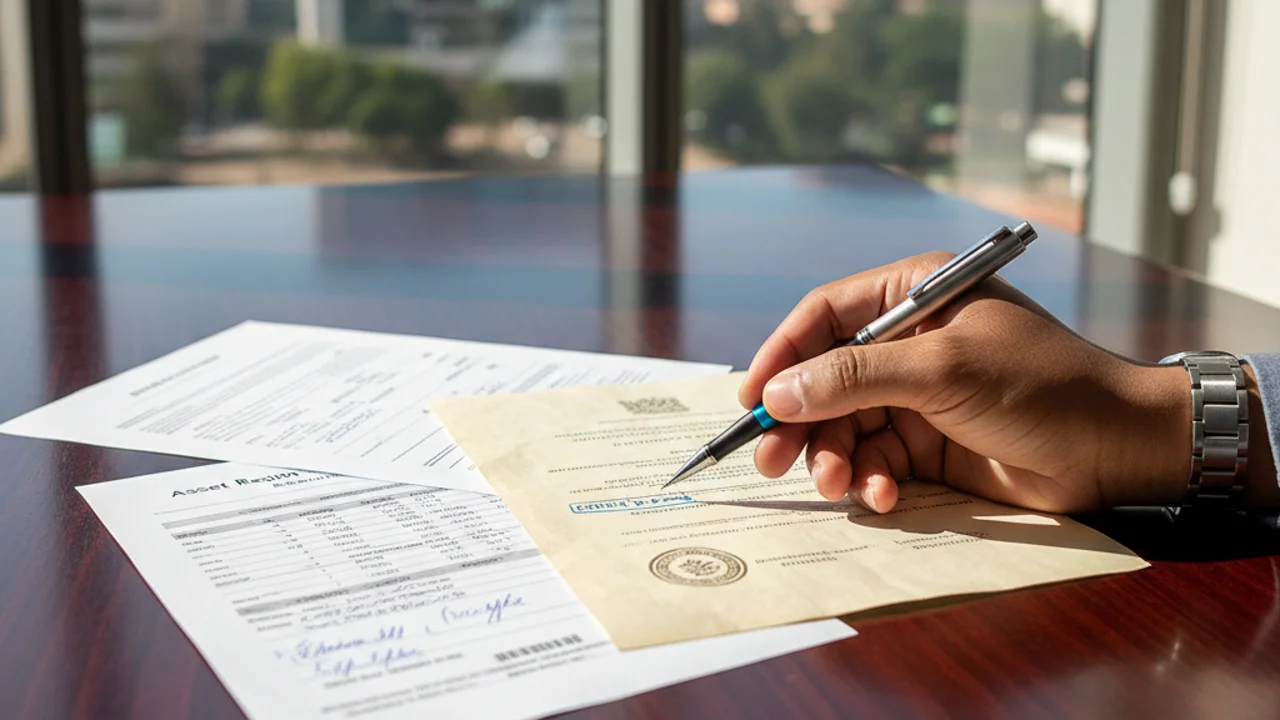
The costs associated with repossessing private property in Kenya can vary significantly depending on the complexity of the case, the nature of the asset, and the legal steps required. Primary cost components include legal fees for drafting demand notices and pursuing court orders, which can range from KES 30,000 to KES 150,000+ for straightforward cases, escalating for complex litigation. Auctioneer fees are another significant expense, typically stipulated by the Auctioneers Rules, 1997, often calculated as a percentage of the forced sale value of the asset (e.g., 2.5% to 10% for movable property, or specific fixed fees for smaller items), plus out-of-pocket expenses for valuation, transportation, and storage. Other practical considerations involve the potential for debtor resistance, requiring careful planning and execution by trained professionals. Engaging a reputable firm like Swipe Recoveries Experts Ltd ensures that all practical aspects are managed efficiently, from initial skip tracing to asset identification and secure storage, minimizing risks and optimizing recovery efforts. Their local expertise in Nairobi, including familiarity with relevant court registries and auction houses, streamlines the entire process, providing peace of mind and maximizing the chances of successful recovery.