Understanding How to Repossess Business Assets in Kenya
For businesses in Kenya, the ability to repossess business assets Kenya is a critical recourse when debtors default on loans, lease agreements, or other contractual obligations. This process involves the recovery of commercial vehicles, machinery, equipment, inventory, or other forms of collateral extended to businesses. Unlike individual repossessions, recovering corporate assets often involves navigating complex corporate structures, debentures, and insolvency proceedings. Swipe Recoveries Experts Ltd specializes in providing robust, legally compliant, and efficient solutions for businesses seeking to recover their valuable assets. Our expertise ensures a seamless process that protects your interests and minimizes legal exposure, from Nairobi to other major business hubs across Kenya.
Statutory Framework for Repossessing Business Assets in Kenya
The legal landscape for the ability to repossess business assets Kenya is governed by several key statutes, primarily designed to protect both creditors and debtors. The Companies Act, 2015, is fundamental, detailing the creation and registration of charges, debentures (fixed and floating), and other forms of security interests granted by companies. For secured creditors, the ability to repossess is often enshrined in the debenture agreement. The Auctioneers Act, Cap 526, dictates the procedure for physical repossession and subsequent sale of assets by licensed auctioneers. The Insolvency Act, 2015, is crucial when a debtor company enters receivership or liquidation, as creditor rights and the hierarchy of claims become paramount. The appointment of a receiver manager under a debenture is a common route for secured creditors to take possession of and realize assets. Furthermore, compliance with National Transport and Safety Authority (NTSA) regulations for vehicles and relevant land registry rules for attached fixtures is vital. Swipe Recoveries Experts Ltd ensures full adherence to these intricate legal requirements, providing businesses with peace of mind that their asset recovery efforts are legitimate and enforceable under Kenyan law, reducing the risk of disputes in the High Court of Kenya.
The Step-by-Step Process for Repossessing Business Assets
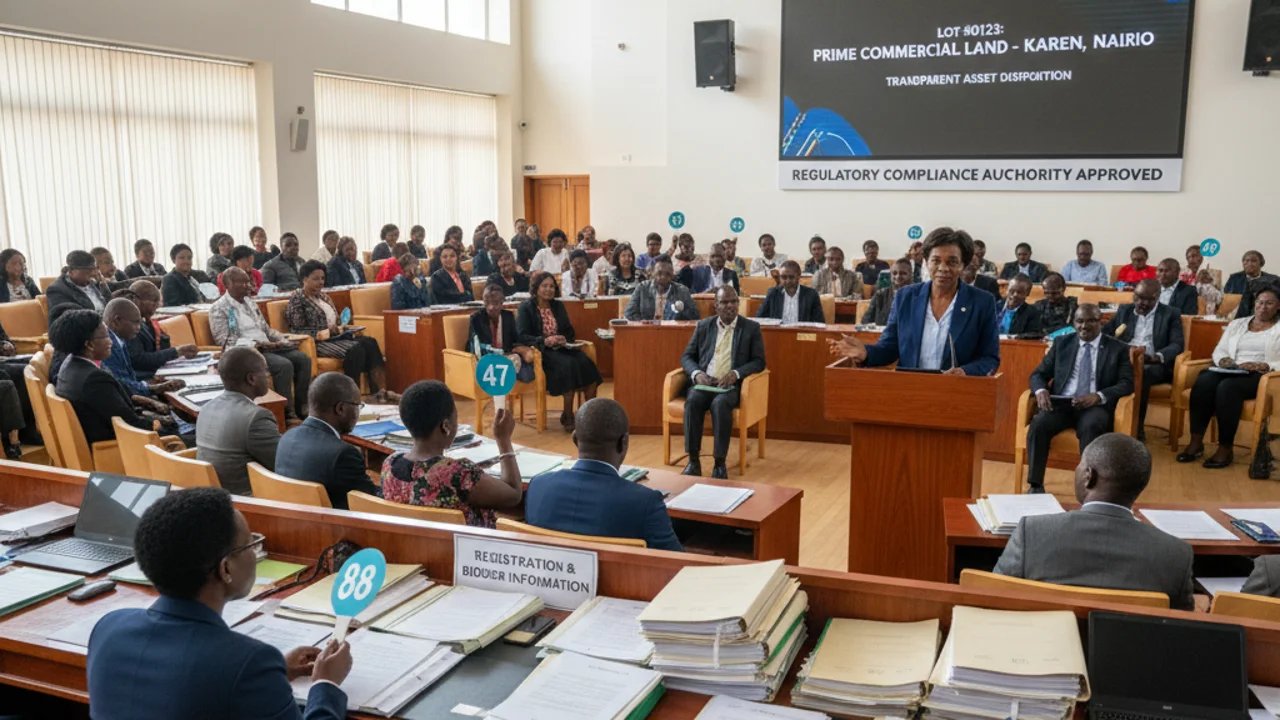
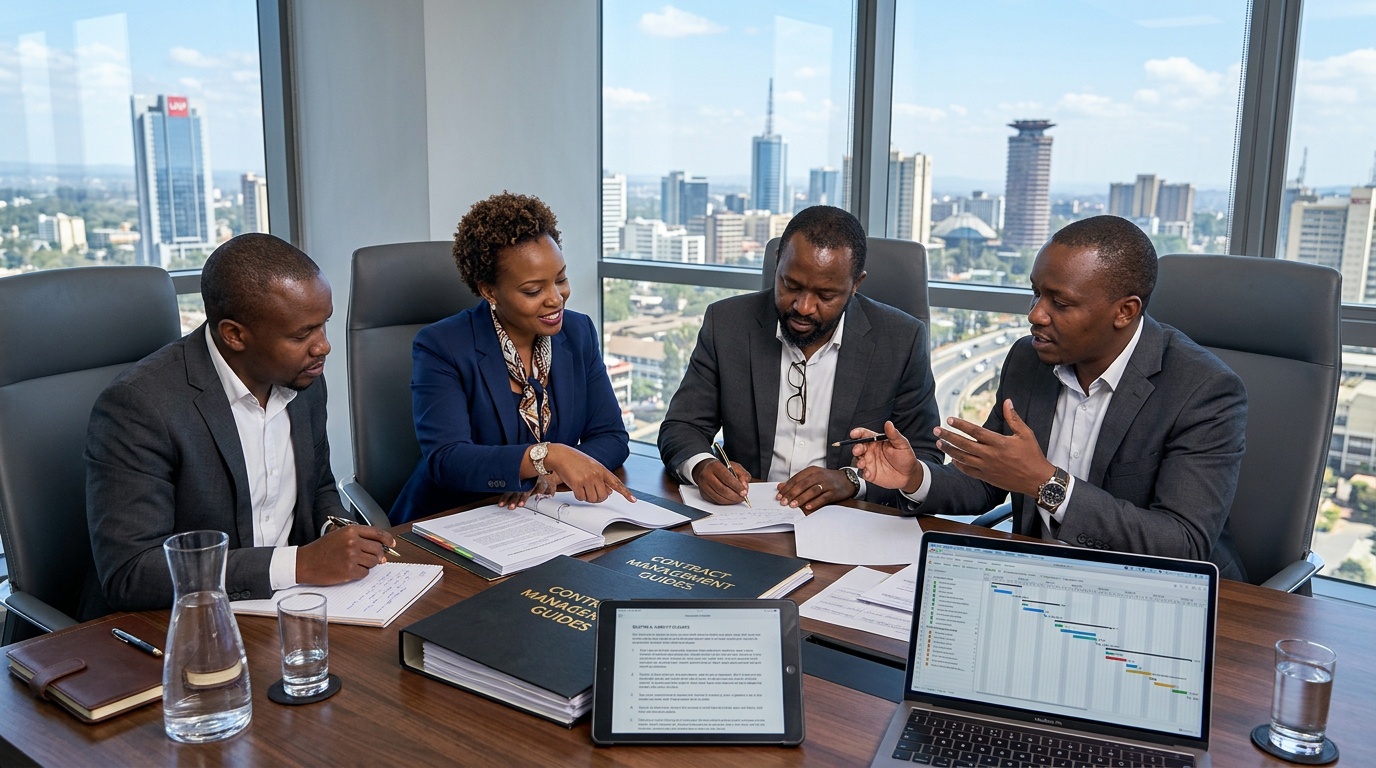
The process to repossess business assets Kenya begins with a thorough review of the security documentation—loan agreements, debentures, charges, or hire purchase contracts—to confirm the right to repossess upon default. The secured creditor must issue appropriate statutory notices, typically a demand notice giving the defaulting company time to rectify the breach. For assets under a debenture, the appointment of a receiver manager by the secured creditor may be the next step, as per the Insolvency Act, 2015. The receiver manager then takes control of the charged assets and undertakes the recovery process. This involves careful planning, often including detailed investigations or skip tracing by experts like Swipe Recoveries to locate assets that may have been moved or concealed. Physical repossession is carried out by licensed auctioneers, ensuring all legal protocols are followed to avoid a breach of peace. An exhaustive inventory of the recovered assets is taken. Following repossession, assets are usually transported to secure storage, valued by a professional valuer, and if the default is not remedied, proceed to sale, often via public auction after due public notice in prominent newspapers. Throughout, meticulous documentation is maintained to support every action and comply with legal scrutiny.
Debt Recovery & Auctioneering Coverage in Kenya
Swipe Recoveries Experts Ltd provides commercial recovery, skip tracing, and auctioneering services across Kenya and all 47 counties in Kenya.
Financial Considerations for Repossessing Business Assets in Kenya

The financial implications of electing to repossess business assets Kenya can vary significantly based on the asset type, its value, location, and the complexity of the recovery. Key costs include the professional fees for the repossession agent or licensed auctioneer, typically structured as a percentage of the recovered asset's value or as a fixed fee for specific services. For instance, recovery fees for vehicles or light machinery might range from KES 30,000 to KES 200,000+, while heavy equipment or assets involved in complex corporate disputes could incur significantly higher fees. Transportation costs are variable, from KES 10,000 to KES 100,000+ depending on the asset size and distance within Kenya (e.g., from Kisumu to Nairobi). Secure storage fees can range from KES 3,000 to KES 10,000+ per day. Legal fees for drafting demand letters, court applications (e.g., for Mareva injunctions or Anton Piller orders to secure assets), or defending challenges can add substantial costs. Swipe Recoveries Experts Ltd provides a detailed and transparent cost estimate upfront, ensuring that businesses understand the financial commitment. We focus on cost-effective strategies to maximize your recovery while upholding the highest professional standards and legal compliance.