Understanding MFI Repossession Costs: A Comprehensive Overview
For Microfinance Institutions (MFIs) in Kenya, understanding MFI repossession costs is crucial for effective collateral management and risk mitigation. Repossession is a legal process undertaken to recover collateralized assets when a borrower defaults on their loan obligations. Swipe Recoveries Experts Ltd, based in Nairobi, specializes in providing transparent and efficient asset recovery services, meticulously adhering to the regulatory frameworks governing such actions. Our expertise ensures that MFIs can accurately estimate and manage the expenses associated with reclaiming assets like vehicles, machinery, or other movable chattel, minimizing financial surprises and maximizing recovery value in a compliant manner.
Legal Framework and Key Cost Drivers in MFI Repossession

The legal backbone for MFI repossession in Kenya is primarily the Chattels Transfer Act, which governs the transfer of movable property as security for loans, and the Auctioneers Act (1996), which dictates the procedures for the sale of repossessed goods. Understanding these statutes is vital as they prescribe the necessary steps, notifications, and timelines that directly influence costs. Key cost drivers in MFI repossession include professional fees for recovery agents and auctioneers, storage charges for the repossessed asset, valuation fees, and potential legal expenses if court orders are required.
For instance, before any repossession, a demand notice must be served to the debtor, and failure to comply within the stipulated period (often 10-21 days as per loan agreements) can then trigger the repossession process. These initial steps incur administrative costs. If the asset, such as a motor vehicle or heavy machinery, is located, its recovery often involves logistics and labor costs. Compliance with the law is not optional; any procedural misstep can lead to legal challenges, delays, and increased costs for the MFI. Swipe Recoveries ensures that all procedures, from issuance of default notices to the actual physical recovery, strictly comply with the law, thereby protecting the MFI from liability and streamlining the overall process, reducing unnecessary expenses often found in non-compliant actions.
Breakdown of Repossession Procedure and Associated Fees
The MFI repossession procedure typically begins with the issuance of a statutory notice to the defaulting borrower. If the default persists, the MFI instructs a licensed auctioneer or recovery agent, such as Swipe Recoveries, to proceed with repossession. The initial costs involved will include an instruction fee paid to the auctioneer. Upon successful repossession, the asset must be stored in a secure location, incurring storage charges, which vary based on the asset type and duration. For a vehicle, this might range from KES 500 to KES 2,000 per day. A mandatory valuation of the asset is then conducted by a registered valuer, for which valuation fees typically range from KES 5,000 to KES 20,000, depending on the asset's complexity and value.
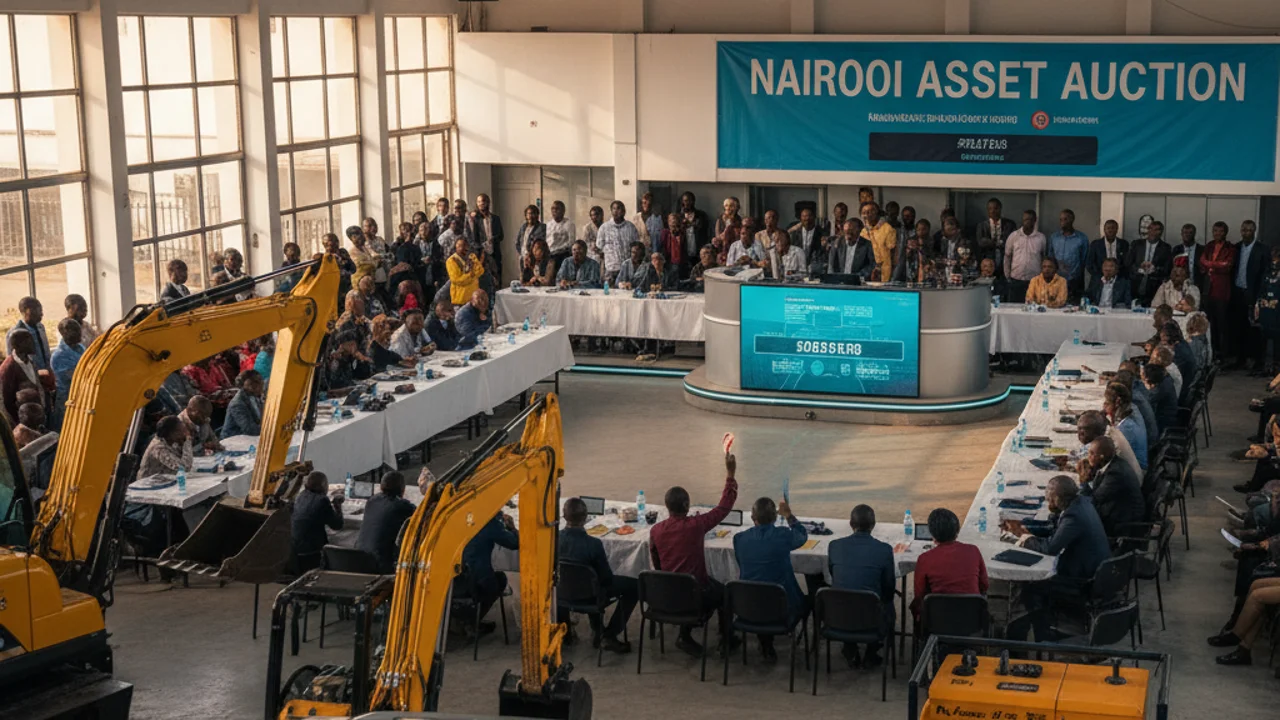
Following valuation, a 40-day notification period, as per the Auctioneers Act, must be given before the asset can be sold by public auction. During this period, the MFI incurs ongoing storage fees and potentially gazettement costs if the sale notice is published. The auctioneer’s commission on the sale is also a significant component of MFI repossession costs. This commission is legally stipulated, often ranging from 1% to 10% of the sale price, depending on the value of the asset. For example, for an asset valued up to KES 100,000, the commission might be 10%, while for amounts exceeding KES 1,000,000, it could drop to 1% or less, plus out-of-pocket expenses. Legal costs, if court intervention is needed for a repossession order (e.g., for land and buildings not chattel), could add KES 50,000 to KES 200,000 or more. Our team at International Life Hse, Nairobi, provides transparent estimates, ensuring MFIs understand every cost element.
Managing & Minimizing MFI Repossession Costs Effectively
Effectively managing and minimizing MFI repossession costs requires proactive strategies and efficient execution. One key strategy is early intervention; engaging with a borrower before significant arrears accrue can lead to renegotiated payment plans, avoiding repossession altogether. When repossession is unavoidable, choosing an experienced and reputable recovery agent like Swipe Recoveries Experts Ltd is crucial. Our streamlined processes and network help minimize delays, which in turn reduces storage charges and other time-sensitive costs.
Furthermore, accurate and timely asset valuation prevents under-selling and ensures the MFI recovers the maximum possible value, offsetting repossession expenses. Negotiating favorable terms with storage facilities and understanding the legal limits on auctioneer commissions are also important. We provide MFIs with detailed cost breakdowns and strategic advice to optimize their recovery efforts. By centralizing services from repossession to auctioneering, Swipe Recoveries offers a cost-effective, end-to-end solution, helping MFIs in Nairobi and across Kenya navigate these expenses efficiently and achieve better financial outcomes from their defaulted portfolios.