Understanding Chattel Repossession in the Kenyan Legal Landscape
When faced with loan defaults, understanding the intricate process of chattel repossession in Kenya is paramount for creditors seeking to recover their secured assets. This complex legal procedure, governed by specific statutes, ensures that asset recovery is conducted lawfully and ethically. Swipe Recoveries Experts Ltd specializes in providing comprehensive and compliant chattel repossession services across Kenya, guiding our clients through every step to ensure swift and legitimate recovery of movable property, from vehicles to machinery and more. Our dedicated team delivers results that matter, adhering strictly to the Movable Property Security Rights Act, 2017, and other relevant legal frameworks to safeguard your interests.
The Legal Framework for Chattel Repossession in Kenya
The legal foundation for chattel repossession in Kenya is primarily established by the Movable Property Security Rights Act, 2017 (MPSR Act), which repealed the archaic Chattels Transfer Act. This modern legislation provides a comprehensive framework for creating, perfecting, and enforcing security interests in movable property. Under the MPSR Act, a secured creditor has the right to repossess collateral upon a debtor's default, provided all statutory notices and procedures are strictly followed. Key to this process is the issuance of a statutory notice (often a demand notice or a notice of intention to repossess) which typically gives the debtor a specific period, usually 10-21 days, to rectify the default before further action can be taken.
Furthermore, the Auctioneers Act Cap 526 governs the conduct of licensed auctioneers who are mandated to carry out the physical repossession and subsequent sale of chattels. This ensures that the process is handled professionally and transparently, protecting both the creditor and debtor's rights. For hire purchase agreements, the Hire Purchase Act (Cap 507) also dictates specific conditions and thresholds for repossession, particularly concerning the percentage of the purchase price paid. Compliance with these statutory provisions, including proper service of notices and engagement of authorized personnel, is non-negotiable to avoid legal disputes and ensure a successful and legally sound recovery. Swipe Recoveries Experts Ltd ensures meticulous adherence to all these acts, navigating the nuances of Kenyan law with precision.
Procedure and Requirements for Repossessing Chattels in Kenya
The actual procedure for chattel repossession in Kenya is systematic and must comply with legal requirements to avoid challenges. Initially, upon default by the debtor, the secured creditor must issue a formal notice of default, specifying the breach and giving the debtor an opportunity to remedy it. If the default persists, a statutory notice of intention to repossess, as required by the MPSR Act, is then issued. This notice must clearly outline the creditor's intention to repossess the collateral and usually provides a final window for the debtor to settle the outstanding amount.
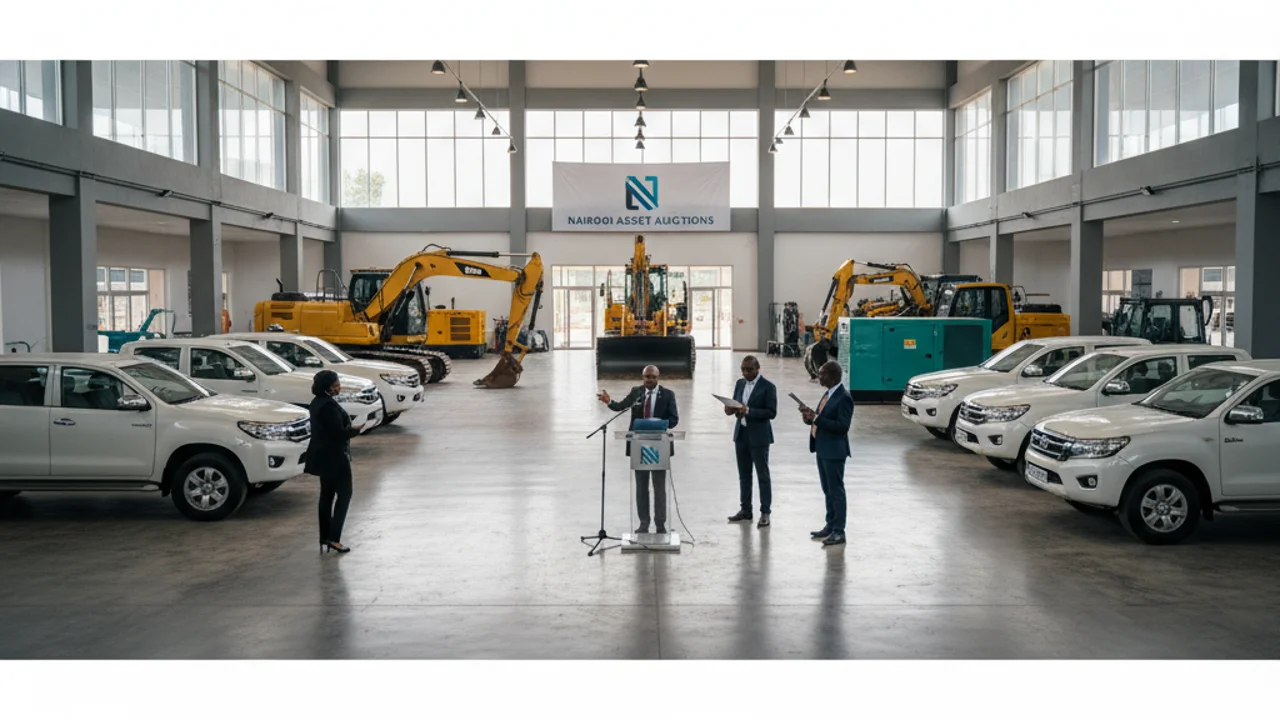
Once the notice period lapses without resolution, Swipe Recoveries Experts Ltd engages licensed auctioneers who are legally authorized to carry out the repossession. The auctioneers, often accompanied by security personnel, will proceed to the location of the chattel. For vehicles, a critical step involves verifying ownership and charges through the National Transport and Safety Authority (NTSA) database using the vehicle's logbook details. Proper documentation, including the security agreement, demand letters, and proof of notice service, is crucial at this stage. After successful repossession, a proclamation notice is issued, detailing the repossessed item and its intended sale, adhering to the provisions of the Auctioneers Act. Our team manages all this documentation meticulously, ensuring every requirement is met for a legally sound repossession.
Debt Recovery & Auctioneering Coverage in Kenya
Swipe Recoveries Experts Ltd provides commercial recovery, skip tracing, and auctioneering services across Kenya and all 47 counties in Kenya.
Cost Implications and Practical Guidance for Chattel Repossession

Understanding the cost implications of chattel repossession in Kenya is vital for creditors. The fees associated with repossession services typically include auctioneers' fees, legal consultation charges, storage costs, and potential security expenses during the recovery process. Auctioneer fees are usually regulated by the Auctioneers Act and depend on the value of the chattel. For instance, basic repossession fees for vehicles might range from KES 15,000 to KES 50,000, excluding statutory charges and storage, which can accrue daily depending on the chattel's size and required facility.
Legal fees for drafting notices, advising on statutory compliance, and managing any potential legal disputes can vary significantly, often starting from KES 30,000 for straightforward cases and increasing with complexity. Swipe Recoveries Experts Ltd provides clear, transparent estimates tailored to the specific chattel and situation. Engaging professional services like ours not only ensures compliance but also often minimizes overall costs by preventing procedural errors that could lead to costly litigation. Our practical guidance helps clients navigate these costs efficiently, offering innovative, tailored solutions for effective asset recovery.