Understanding Debt Recovery Costs in Kenya
A transparent recovery fees structure is the cornerstone of a successful partnership between your business and a debt collection agency. In Kenya, understanding how these fees are calculated is crucial for managing expectations and budgeting for the recovery of non-performing assets. The most common model is the contingency or 'no-collection, no-fee' basis, where the agency earns a percentage commission only on funds successfully recovered. This aligns the agency's goals directly with yours. However, the structure can also include flat fees for specific services or hybrid models depending on the complexity and nature of the debt portfolio. At Swipe Recoveries Experts Ltd, we prioritize transparency, ensuring our clients fully comprehend the costs and potential ROI before any engagement begins.
Legal & Regulatory Framework Governing Recovery Fees

In Kenya, the fees for certain recovery actions are governed by law, providing a layer of consumer and creditor protection. The most significant piece of legislation is the Auctioneers Act (Cap 526) and the accompanying Auctioneers Rules. This framework explicitly prescribes the fee scale for licensed auctioneers when undertaking actions like repossession, attachment of property, and sale by public auction. These fees are statutory and non-negotiable, covering costs like proclamation fees, attachment fees, and a commission on the sale proceeds.
However, for general debt collection activities that do not involve auctioneering—such as sending demand letters, making phone calls, and negotiating payment plans—the fees are not statutorily fixed. Instead, the recovery fees structure is based on a contractual agreement between the creditor and the recovery agency. This is where the commission-based model predominates. It's critical that this agreement, often called a Letter of Engagement or Service Level Agreement, clearly outlines the commission percentage, how it's calculated (e.g., on principal, interest, or both), and what, if any, disbursements like legal filing fees or skip tracing costs are billable to the client. Compliance with the Data Protection Act (2019) is also paramount, influencing how data is handled during the process.
The 'No-Collection, No-Fee' Model vs. Other Structures
The most widely adopted model in the Kenyan debt recovery industry is the contingency fee, or 'No-Collection, No-Fee' structure. This is the primary model used by Swipe Recoveries Experts Ltd as it presents zero financial risk to our clients. Under this arrangement, we only earn our commission after successfully collecting the outstanding debt. If we are unable to recover any funds, the client owes us nothing for our time and effort. This performance-based model ensures we are highly motivated to achieve results.
The commission percentage is not one-size-fits-all. It is typically determined by several factors:
Age of the Debt: Older debts are generally harder to collect, and thus attract a higher commission rate.
Debt Amount: Smaller individual debts may have a higher percentage rate compared to large commercial debts.
Portfolio Volume: Clients who place a large volume of accounts for collection may receive preferential, lower rates.
Other structures exist for specific needs. A Flat-Fee Structure may be used for standalone services like serving a single demand letter or conducting a one-off skip tracing report. A Hybrid Model might combine a lower commission rate with a small upfront fee to cover initial administrative and legal costs. Choosing the right structure depends entirely on your specific requirements and the nature of the debt.
Our Transparent Recovery Fees Structure (KES)
At Swipe Recoveries Experts Ltd, we believe in clear and upfront pricing. While each portfolio is unique, we provide the following as a general guide to our commission-based recovery fees structure, based on successfully collected amounts:
Consumer & Retail Debts (e.g., unsecured personal loans, credit card debt): Commission typically ranges from 15% to 30%. For a recovered debt of KES 100,000, our fee would be between KES 15,000 and KES 30,000.
Commercial & B2B Debts (e.g., unpaid invoices, business loans): Due to often larger values, the commission is generally lower, ranging from 10% to 20%. Recovering a KES 1,000,000 commercial debt might incur a fee between KES 100,000 and KES 200,000.
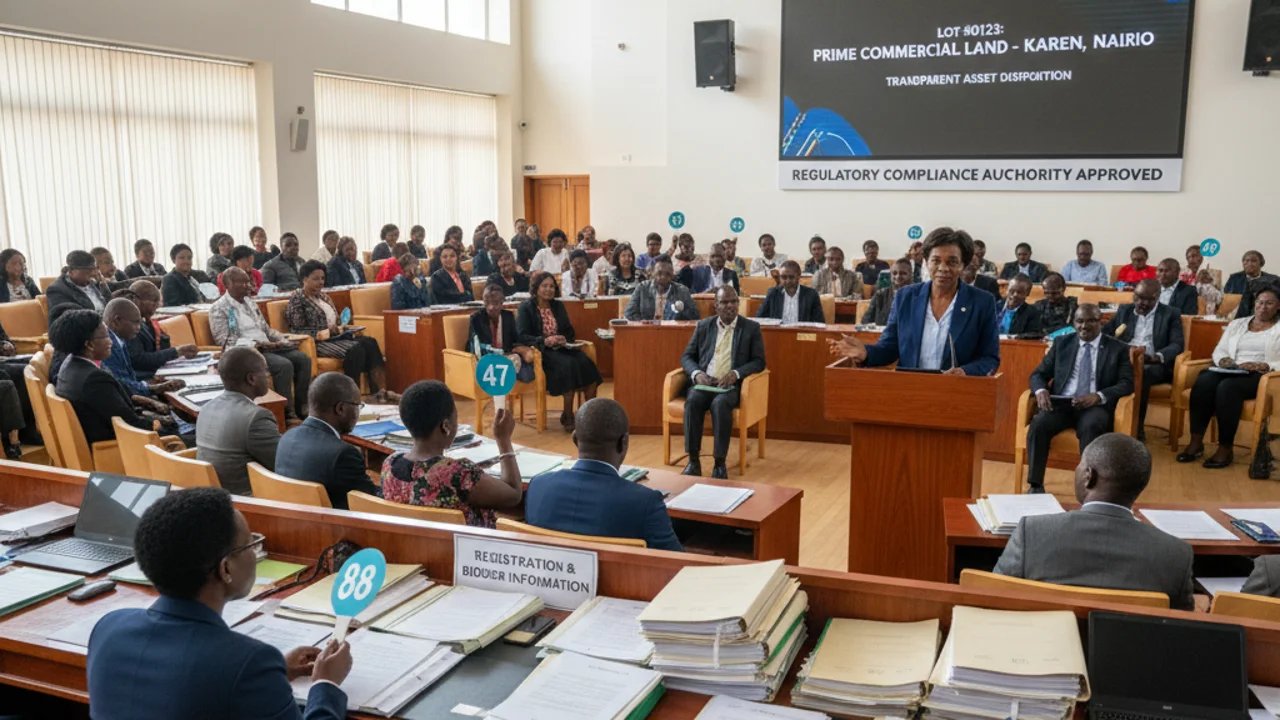
Secured Debts (involving auctioneering): Fees are charged in accordance with the Auctioneers Act schedule, plus an agreed-upon commission on any shortfall recovered post-auction.
It is important to note that any costs for external services required, such as court filing fees or fees for official searches at the Lands Registry or NTSA, are typically passed on to the client at cost. These are always discussed and approved by you before any costs are incurred. Our goal is to provide maximum value and a clear return on investment by turning your bad debt write-offs back into valuable cash flow.