Addressing Mortgage Default with Expert Solutions
Navigating the complexities of delinquent mortgage recovery is a critical challenge for financial institutions and private lenders in Kenya, requiring a nuanced understanding of local laws and effective strategies. When borrowers default on mortgage payments, the process of recovering the outstanding debt or securing the collateralized property demands expert intervention. Swipe Recoveries Experts Ltd provides comprehensive, legally compliant solutions, ensuring efficient asset realization while adhering strictly to the Land Act, 2012, and other pertinent regulations. Our approach is designed to minimize losses and expedite recovery for chargees (lenders) while upholding ethical practices.
Legal Framework for Delinquent Mortgage Recovery in Kenya
The legal framework governing delinquent mortgage recovery in Kenya is primarily encapsulated within the Land Act, 2012, which dictates the rights and responsibilities of chargees (lenders) and chargors (borrowers). Upon a chargor's default, the Land Act provides a tiered approach for recovery. Initially, Section 90 mandates the chargee to serve a 40-day notice of default, specifying the nature of the breach and allowing the chargor to remedy it. If the default persists, Section 96 empowers the chargee to exercise the statutory power of sale, but only after serving a further 3-month notice of intention to sell. During this period, the chargor retains the right of redemption, allowing them to settle the outstanding debt and prevent the sale. Beyond the power of sale, the Land Act also provides for other remedies, such as taking possession of the charged land, appointing a receiver of the income of the charged land, or leasing the charged land. The Land Registration Act, 2012, governs the registration of charges and transfers, ensuring legal certainty in property transactions. Furthermore, the Insolvency Act, 2015, may become relevant if the chargor faces bankruptcy or liquidation. Swipe Recoveries Experts Ltd possesses in-depth knowledge of these statutes, ensuring every step of the recovery process is legally sound and effectively executed, protecting the chargee's interests from potential legal challenges or injunctions.
Practical Steps and Procedural Compliance in Mortgage Recovery
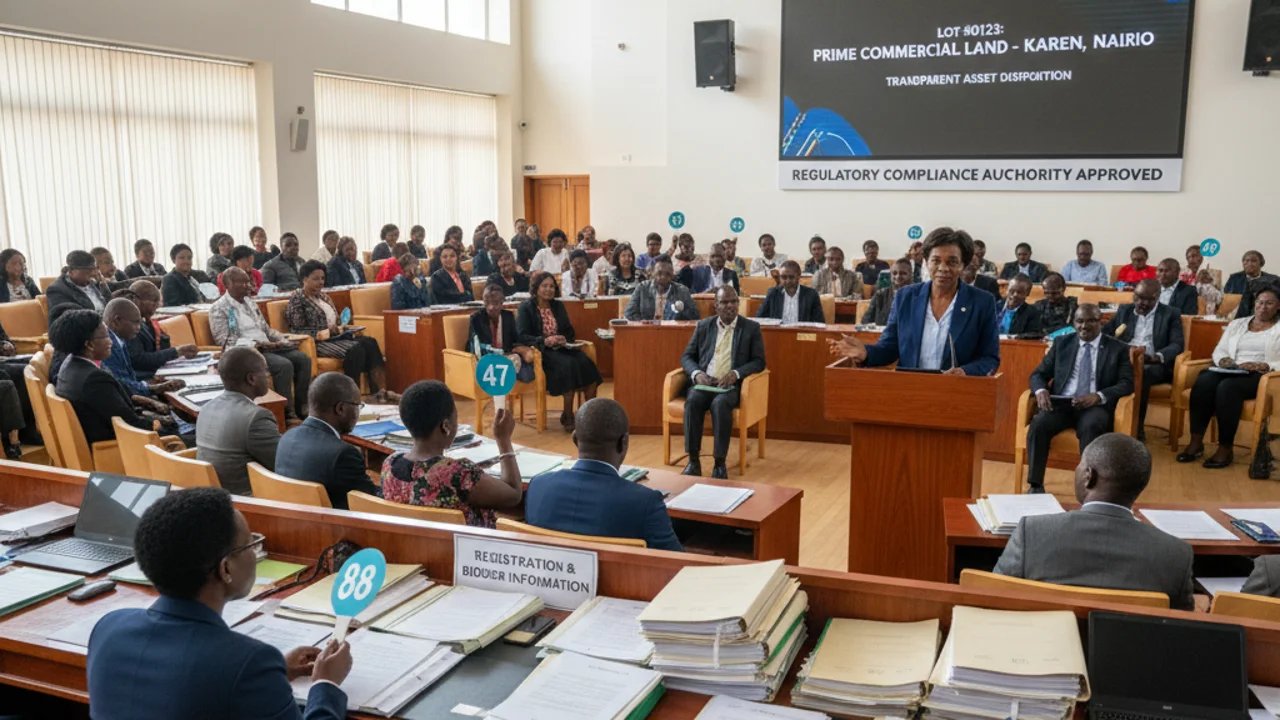
The practical execution of delinquent mortgage recovery involves a series of carefully managed steps, prioritizing compliance and efficiency. The initial phase focuses on early intervention through demand letters and negotiations, seeking to restructure the loan or agree on a repayment plan to avoid formal recovery actions. If these efforts fail, the chargee initiates the formal process by serving the aforementioned statutory notices as per the Land Act, 2012. Throughout this period, accurate record-keeping of communication, notices, and payments is crucial for legal defensibility. Should the default persist, the chargee instructs a licensed valuer to determine the property's forced sale value and a reputable auctioneer to manage the public sale. The auction process itself must adhere to the Auctioneers Act (Cap 526), including proper advertisement in local media and establishing a reserve price. For specific agricultural land, consent from the Land Control Board might be required before the sale. Swipe Recoveries Experts Ltd meticulously manages each stage, from serving precise legal notices and coordinating with valuers and auctioneers to overseeing the auction and ensuring proper transfer of title. Our team, operating from International Life Hse, 8th Floor, Mama Ngina Street, Nairobi, mitigates risks by ensuring strict adherence to all procedural requirements, including the appropriate conduct of property searches and verification of encumbrances, thereby optimizing the recovery timeline and securing the best possible outcome for our clients.
Cost Expectations & Strategic Planning for Delinquent Mortgage Recovery

Strategic planning for delinquent mortgage recovery must account for various cost expectations to ensure a commercially viable outcome. Key expenses include legal fees for drafting and serving statutory notices, court filings (if litigation becomes necessary, for example, to obtain vacant possession or overcome an injunction), and the engagement of legal counsel. Valuation fees, typically ranging from 0.5% to 1% of the property's value (e.g., KES 50,000 to KES 100,000 for a KES 10,000,000 property), are incurred to determine the forced sale value. Auctioneer's commission, generally between 2.5% and 5% of the hammer price, is a significant cost. For a KES 10,000,000 property, this could be KES 250,000 to KES 500,000. Other potential costs include advertising fees for the auction, security costs if property possession is contested, and any necessary repairs or maintenance to prepare the property for sale. While these costs can be substantial, a strategic approach aims to recover them from the sale proceeds. Swipe Recoveries Experts Ltd provides detailed cost projections and advises on effective strategies to minimize expenses while maximizing recovery. Our expertise in navigating the Kenyan legal system and property market ensures that chargees can make informed decisions, balancing the recovery of the principal debt with associated costs, ultimately delivering results that matter for their financial stability.