Effectively Recovering Rental Arrears in Nairobi
Effective tenant debt collection in Nairobi is a critical challenge for landlords and property managers grappling with rent arrears. The process of recovering unpaid rent in Kenya's bustling capital is governed by specific laws that protect both landlord and tenant rights. Simply changing the locks or cutting utilities is illegal and can lead to severe penalties. A professional approach, grounded in legal compliance, is essential not only to recover what is owed but also to avoid costly legal battles. Whether dealing with residential or commercial tenants, understanding the correct procedures, from issuing a formal demand to lawfully executing 'distress for rent,' is paramount. Swipe Recoveries Experts Ltd specializes in navigating this complex process, ensuring a swift and lawful recovery of your rental income.
Legal Frameworks: Distress for Rent vs. Civil Suits
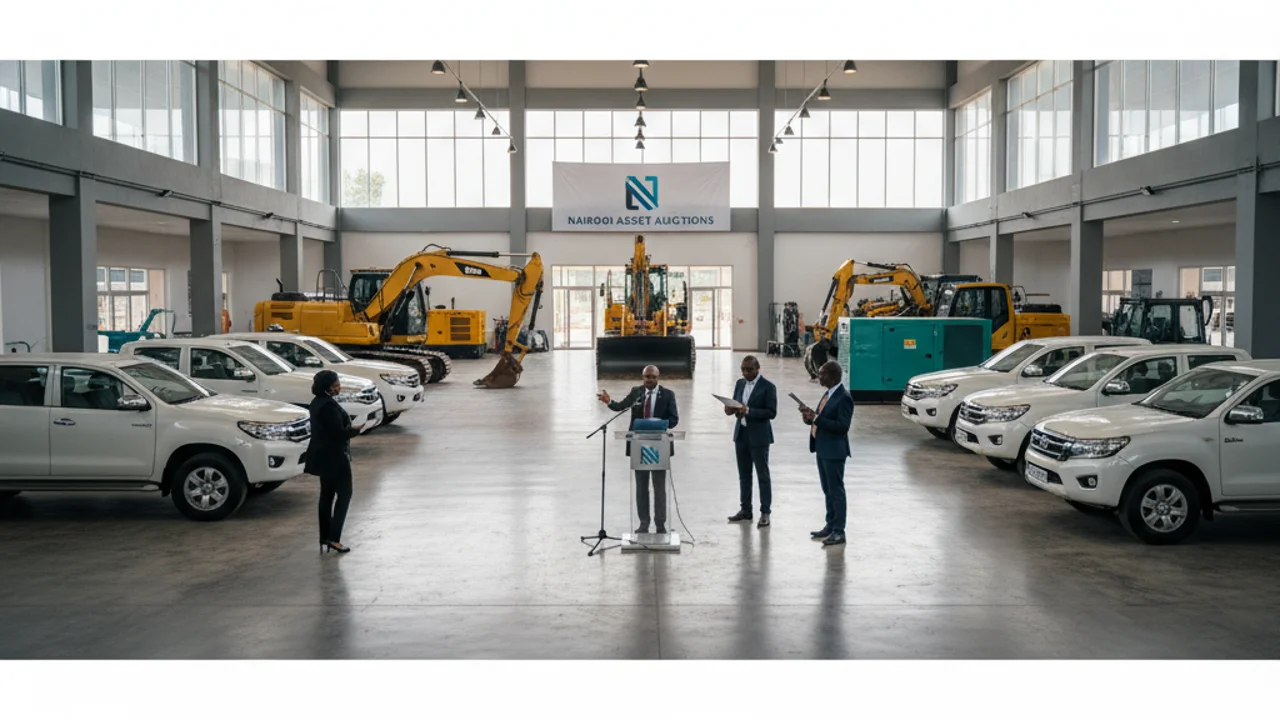
When pursuing tenant debt collection in Nairobi, landlords have two primary legal avenues: Distress for Rent and filing a Civil Suit. Distress for Rent is the most common and often quickest method. It is a legal process governed by the Distress for Rent Act (Cap 293), allowing a landlord to seize a tenant's movable goods to cover unpaid rent. To initiate this, the landlord must engage a licensed auctioneer who will then proclaim the tenant's goods. The tenant is given a notice period (typically 14 days) to pay the arrears, failing which the auctioneer can attach and sell the goods at a public auction to recover the owed amount.
However, distress for rent is not always applicable, especially for properties falling under the jurisdiction of specific tribunals like the Business Premises Rent Tribunal (BPRT) or the Rent Restriction Tribunal. In such cases, or if the landlord prefers a different route, a Civil Suit can be filed at the Magistrates' Court. This involves suing the tenant for the debt, which can result in a court judgment ordering payment. While potentially slower, a civil suit can be advantageous if the tenant has no goods of value to distrain or has already absconded. Understanding which route is appropriate requires a careful analysis of the tenancy agreement, the type of property, and the specific circumstances—an analysis Swipe Recoveries is equipped to provide.

The Professional Debt Collection Process & Requirements
Swipe Recoveries Experts Ltd employs a structured and professional process for tenant debt collection that prioritizes compliance and efficiency. The process ensures every action is legally sound and documented. Step 1: Initial Engagement & Documentation Review. The landlord provides us with essential documents: a copy of the lease/tenancy agreement, a clear statement of account showing the arrears, the tenant's contact details, and a formal letter of instruction. Step 2: Issuance of a Formal Demand Letter. Our legal team issues a formal demand letter to the tenant. This letter clearly states the amount owed, provides a deadline for payment, and outlines the legal consequences of non-payment, including potential distress for rent or legal action. This step often results in payment without further escalation. Step 3: Negotiation and Payment Plan. If the tenant responds but is unable to pay in full, we can negotiate a structured and legally binding payment plan on the landlord's behalf, securing a down payment and post-dated checks for the balance. Step 4: Legal Escalation. If the demand letter is ignored and negotiations fail, we proceed with the landlord's approved legal action. For distress for rent, our licensed auctioneers will lawfully proclaim and attach the tenant's goods. For a civil suit, our partners file the necessary court documents to secure a judgment.
Debt Recovery & Auctioneering Coverage in Nairobi, Kenya
Swipe Recoveries Experts Ltd provides commercial recovery, skip tracing, and auctioneering services across Nairobi, Kenya and all 47 counties in Kenya.
Costs and Commission Fees for Tenant Recovery

Understanding the costs associated with tenant debt collection is crucial for landlords. At Swipe Recoveries, we operate on a transparent fee structure, primarily based on success. Our main fee is a commission on the amount collected. This commission typically ranges from 10% to 15% of the recovered debt, contingent on the age and complexity of the debt. This success-based model aligns our interests with yours—we only get paid when you get paid. For amounts collected, the commission is deducted before the net amount is remitted to you.
In cases where legal escalation is required, certain disbursements may be necessary. For Distress for Rent, this includes the auctioneer’s fees as gazetted under the Auctioneers Rules, which are recoverable from the proceeds of the auctioned goods. For a Civil Suit, costs include court filing fees (e.g., starting from KES 1,500 - KES 10,000 depending on the claim amount) and legal fees, which will be clearly communicated and agreed upon before proceeding. We provide a clear cost breakdown upfront, ensuring there are no hidden charges and you maintain full control over the process.