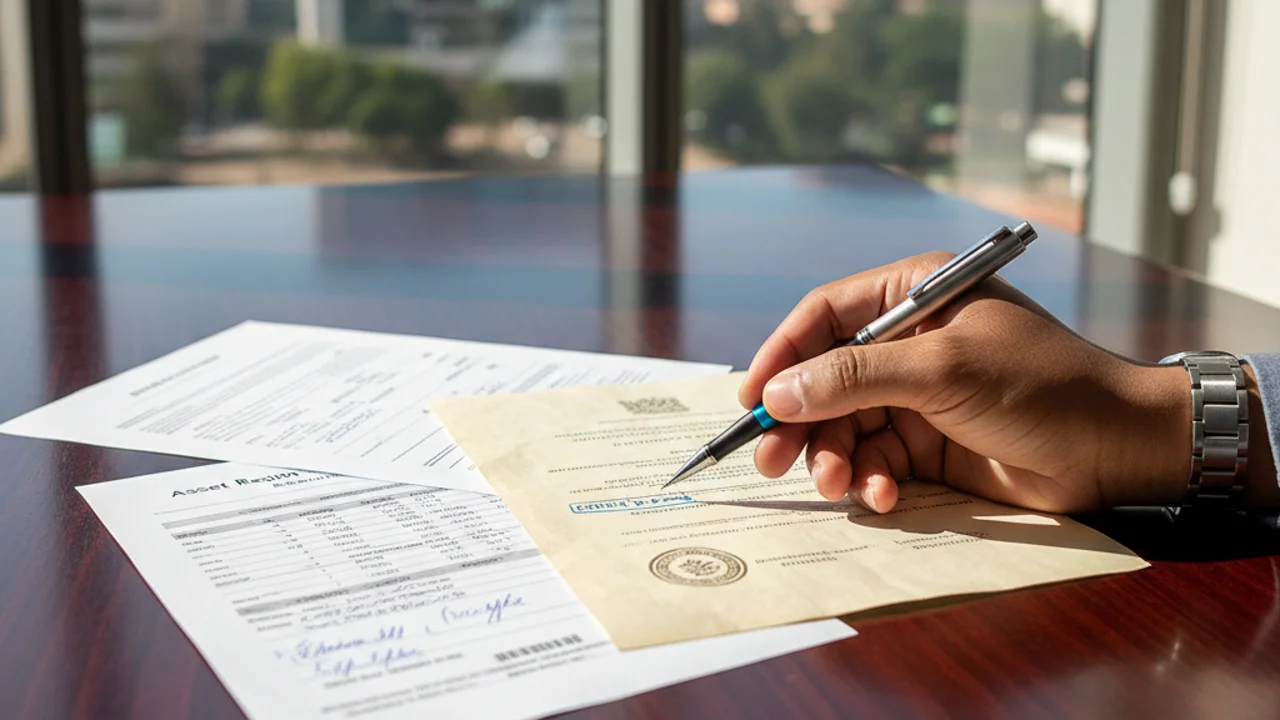
Navigating Forced Property Sales in the Nairobi Market
Finding a forced sale property in Nairobi presents a unique investment opportunity, but it requires a deep understanding of the legal landscape governing such transactions. Also known as a distressed sale, this typically occurs when a property owner defaults on a mortgage, and the lender (chargee) exercises their statutory power of sale to recover the debt. These properties are sold via public auction. For buyers, this can mean acquiring property at a competitive market price. For owners, it is a difficult situation that is strictly regulated by Kenyan law. Swipe Recoveries Experts Ltd are licensed auctioneers who professionally manage these sales in Nairobi, ensuring compliance with all legal protocols for a transparent and fair process.
Legal Grounds for Forced Sales Under Kenyan Law
A forced sale of property in Nairobi is not an arbitrary process; it is firmly grounded in Kenyan law, primarily the Land Act, 2012 and the Land Registration Act, 2012. When a borrower defaults on their loan obligations, the lender (chargee) gains a 'statutory power of sale'. However, to exercise this power, the lender must follow a strict, mandatory notification procedure.
First, the lender must issue a formal notice to the borrower, giving them at least three months (90 days) to rectify the default, as per Section 90 of the Land Act. If the default persists, the lender can then issue a notice of intention to sell, giving the borrower another forty (40) days, as stipulated in Section 96 of the same Act. Only after these notice periods have expired without remedy can the lender instruct a licensed auctioneer to proceed with the sale. The High Court of Kenya often presides over disputes arising from this process, emphasizing the importance of meticulous adherence to these legal requirements. Any deviation can lead to the auction being legally challenged and overturned.

The Forced Sale Process: From Default to Auction in Nairobi
The journey of a forced sale property in Nairobi follows a well-defined legal path from the moment of default to the final fall of the auctioneer's gavel. Understanding this timeline is crucial for both buyers and property owners.
1. Loan Default & Statutory Notices: The process begins when the borrower fails to meet their mortgage repayment obligations. The lender then serves the mandatory 90-day and subsequent 40-day notices.
2. Instruction of Auctioneer: Once notices expire, the lender instructs a licensed auctioneer, such as Swipe Recoveries Experts Ltd, to commence the auction process.
3. Property Valuation: A current valuation must be undertaken by a registered valuer to set the forced sale value and the reserve price. The law requires the lender to try and obtain the best price reasonably obtainable at the time of sale.
4. Advertisement & Redemption Notice: The auctioneer issues a 45-day redemption notice to the owner and advertises the public auction in major newspapers like the Daily Nation, detailing the property and auction terms.
5. The Public Auction: The auction is held at the specified date and time. Interested buyers must place their bids. The property is sold to the highest bidder who meets or exceeds the reserve price.
6. Deposit and Completion: The successful bidder pays a deposit on the spot, typically 25% of the bid price. They are then given a set period, usually 90 days, to pay the remaining 75% balance to complete the sale.
Debt Recovery & Auctioneering Coverage in Nairobi, Kenya
Swipe Recoveries Experts Ltd provides commercial recovery, skip tracing, and auctioneering services across Nairobi, Kenya and all 47 counties in Kenya.
Buyer's Guide: Costs & Due Diligence for Nairobi Forced Sales
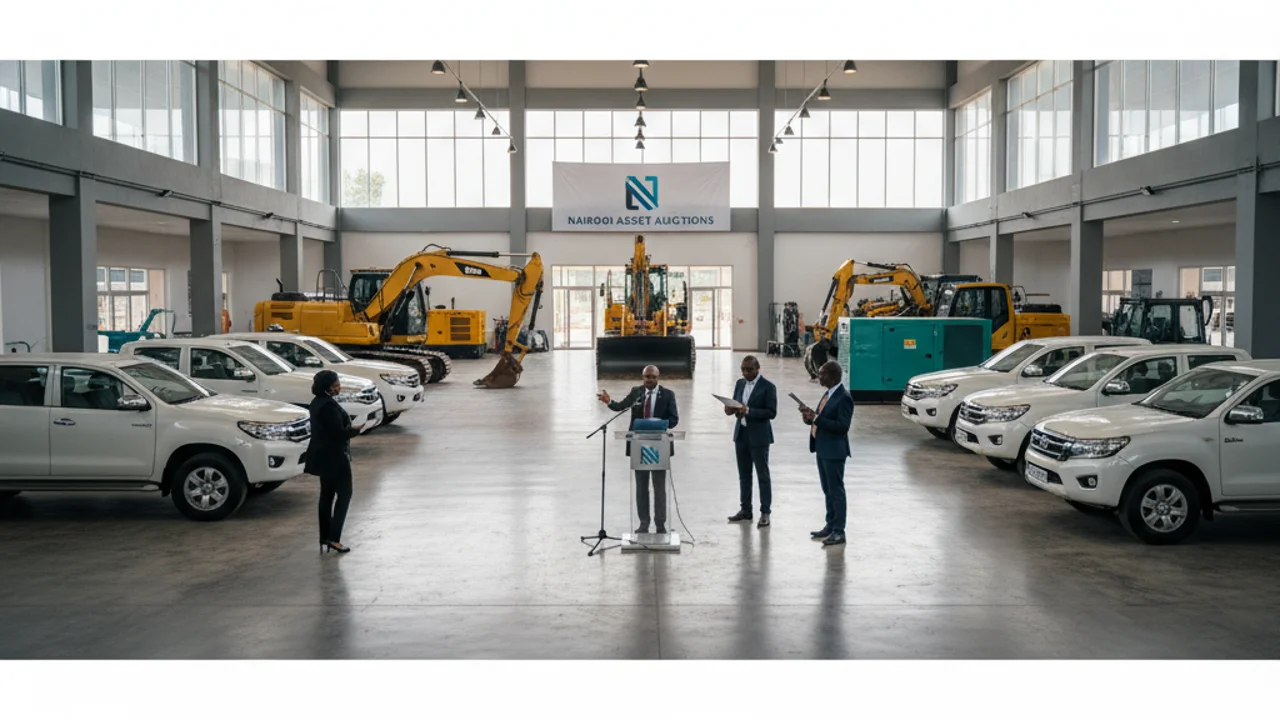
For prospective buyers, a forced sale auction offers potential value but demands thorough preparation. The primary cost is the final bid price. Upon winning, you must be prepared to immediately pay a deposit, which is usually 25%. For a property auctioned at KES 12,000,000, the deposit would be KES 3,000,000. Following this, the buyer is responsible for paying Stamp Duty, which in municipalities like Nairobi is 4% of the property's value. You will also incur legal fees for the conveyancing process to transfer the title into your name.
Crucially, properties at auction are sold on an 'as-is, where-is' basis. This makes due diligence non-negotiable. Before the auction, you must:
1. Conduct a Title Search: Visit Ardhi House in Nairobi to verify the property's ownership and check for any encumbrances beyond the charge being enforced.
2. Inspect the Property: Physically visit the property to assess its condition, location, and occupancy status.
3. Understand Conditions of Sale: Carefully read the terms and conditions of the auction provided by the auctioneer. This document outlines the payment deadlines and other critical obligations.