Navigating Private Property Repossession in Kenya: A Comprehensive Overview
When faced with loan default, understanding the intricacies of private property repossession in Kenya is crucial for private lenders. This complex legal process, governed by specific statutes like the Land Act, 2012, the Chattels Transfer Act (Cap. 28), and various contractual agreements, requires meticulous adherence to avoid legal pitfalls. Swipe Recoveries Experts Ltd provides unparalleled expertise in navigating these challenges, ensuring a compliant and effective recovery of assets. Our approach prioritizes legal integrity while striving for optimal outcomes for our clients, protecting their security interests under Kenyan law.
Legal Framework and Statutory Requirements for Private Repossession
In Kenya, the repossession of private property by private lenders is strictly regulated, primarily falling under the ambit of security instruments established through contractual agreements. Key legislation includes the Land Act, 2012, for immovable property (land and buildings) and the Chattels Transfer Act (Cap. 28), along with the Hire Purchase Act (Cap. 507), for movable assets such as vehicles or equipment. Before any repossession can occur, a private lender must establish a valid security interest, typically through a charge, mortgage, or chattel mortgage duly registered with relevant authorities like the Lands Registry or the Companies Registry.
Compliance with legal notices is paramount. For instance, in cases involving land, a notice of default and intention to repossess must be issued in accordance with Section 90 of the Land Act, typically providing a 3-month grace period. For chattels, the agreement itself dictates the notice period, but a reasonable notice is always expected. Failure to adhere to these statutory timelines and notice requirements can render a repossession unlawful, exposing the lender to civil liability and potential legal challenges from the defaulting party. Engaging professional bodies like the Law Society of Kenya (LSK)-accredited advocates is essential to ensure all legal prerequisites are met, safeguarding the lender’s interests throughout the recovery process.

The Repossession Procedure: Steps, Documentation, and Compliance
The actual procedure for private property repossession begins after the expiry of the statutory notice period without remediation of the default. The lender must then formally instruct a licensed auctioneer, regulated by the Auctioneers Act (Cap. 526) and the Auctioneers Rules, to commence the recovery process. Essential documentation includes the original loan agreement, security instrument (e.g., charge document, chattel mortgage), demand notices, and proof of default. The auctioneer, acting as an agent, will then issue a proclamation, typically a 7-day notice of repossession and sale, to the defaulting party, as stipulated by the Auctioneers Rules.
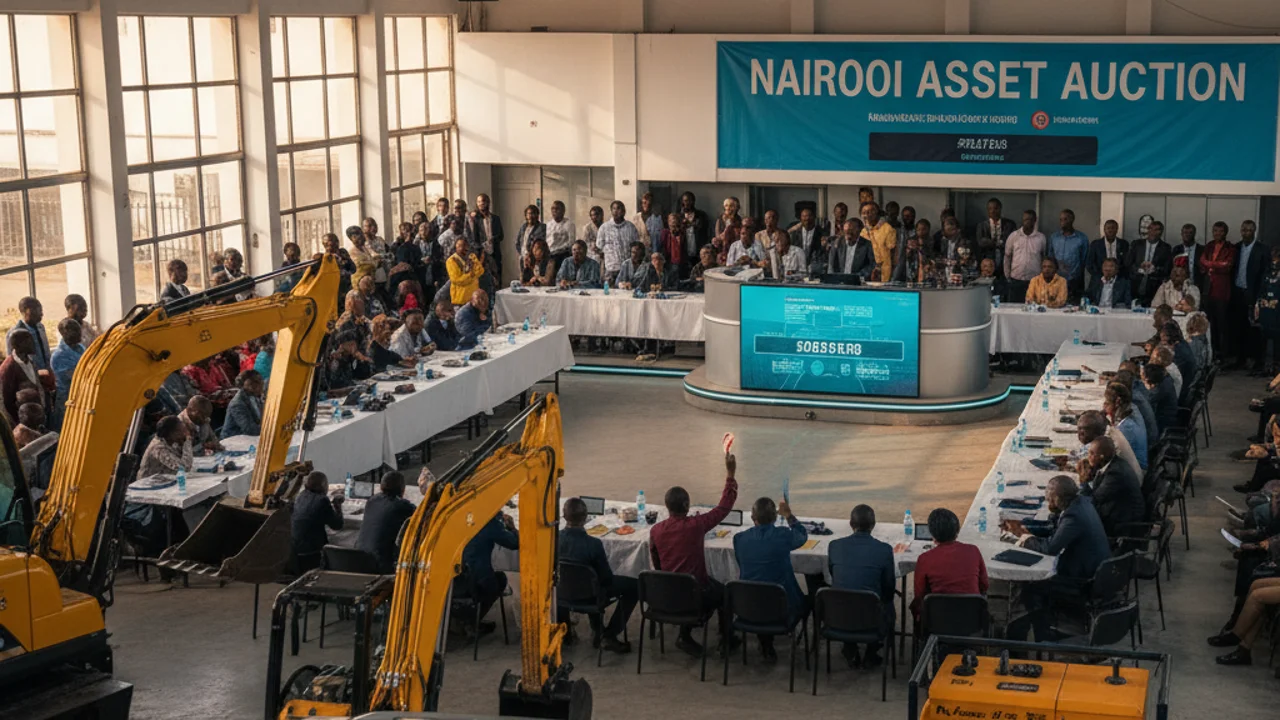
Physical repossession must be conducted peacefully and professionally. For vehicles, this often involves tracking and retrieval. For properties, it may involve gaining lawful entry. Upon repossession, the asset must be valued by a registered valuer, and a gazette notice must be placed for public auction, typically after 14 days, providing ample time for potential buyers and allowing the debtor a final opportunity to settle. All proceeds from the sale are used to offset the outstanding debt, and any surplus is returned to the debtor. Swipe Recoveries Experts Ltd ensures meticulous documentation at every stage, from initial instruction to the final sale, guaranteeing full compliance with Kenyan legal requirements and ethical standards, minimizing risks for our private lender clients.
Cost Implications and Practical Guidance for Private Lenders

Understanding the costs associated with private property repossession is vital for private lenders. Expenses typically include legal fees for drafting and serving notices (ranging from KES 20,000 to KES 100,000+ depending on complexity), auctioneer's fees (a percentage of the realized value, usually 2.5% to 5% for properties, and 5% to 10% for chattels, as per Auctioneers Rules), valuation fees (starting from KES 15,000), storage fees for repossessed chattels (daily rates varying by asset type), and publication costs for gazette notices (around KES 5,000 to KES 10,000). These costs are often added to the outstanding debt, but lenders should be prepared to cover initial outlays.
Practically, lenders should maintain clear, unambiguous loan agreements and security documents. Regular communication with the borrower is advisable to explore alternative resolutions before initiating repossession. However, once default occurs, prompt and legally compliant action is key. Engaging a reputable firm like Swipe Recoveries Experts Ltd, located at International Life Hse, 8th Floor, Mama Ngina Street, Nairobi, provides a strategic advantage. Our expertise ensures efficient recovery while adhering to all legal requirements, offering peace of mind and maximizing recovery rates for our private lender clients.