A Creditor's Guide to Asset Repossession in Mombasa
Calculating Mombasa repossession costs is a critical step for any creditor—be it a bank, Sacco, or MFI—seeking to recover assets from defaulting debtors. The final expense is not a single figure but a sum of several components, heavily influenced by the asset type, its location within Mombasa, and strict adherence to Kenyan law. Understanding these variables is key to a successful and legally compliant recovery process. Factors such as the need for skip tracing in areas like Kisauni or Likoni, the specific requirements of the Auctioneers Act, and the logistics of securing and storing the asset all contribute to the total cost. This guide provides a transparent breakdown of the fees and procedures involved, empowering you to make informed decisions for your asset recovery strategy in the coastal region.
The Legal Framework: Compliance with the Auctioneers Act & Rules
The foundation of any legal repossession in Kenya is strict compliance with the Auctioneers Act, Cap 526, and the accompanying Auctioneers Rules. These statutes are not optional; they are mandatory requirements to ensure the process is fair, transparent, and lawful, protecting both the creditor and the debtor. For a repossession to be valid, an auctioneer must be acting under a proper court order or a legally sound instrument like a Chattel Mortgage, hire purchase agreement, or a pledge that explicitly allows for repossession upon default. Attempting to repossess an asset without these legal grounds can lead to severe penalties, including criminal charges for wrongful seizure and significant civil liability.
Furthermore, the Act mandates that only a licensed auctioneer, holding a valid license from the Auctioneers Licensing Board, can carry out the repossession. The auctioneer is required to issue proper notification to the debtor before the repossession takes place, outlining the default and the intention to seize the asset. This entire process must be documented meticulously, from the initial letter of instruction from the creditor to the final inventory of the repossessed goods. Adherence to these legal stipulations is paramount, as any deviation can invalidate the entire process and expose the creditor to costly legal challenges at the Mombasa Law Courts.

The Repossession Procedure: From Instruction to Asset Security
The physical act of repossession in Mombasa follows a structured, multi-step procedure designed to ensure efficiency and legal compliance. It begins when the creditor provides a Letter of Instruction to a licensed firm like Swipe Recoveries Experts Ltd. This document must be accompanied by supporting paperwork, such as the loan agreement, proof of default, and the relevant repossession order or chattel mortgage agreement.
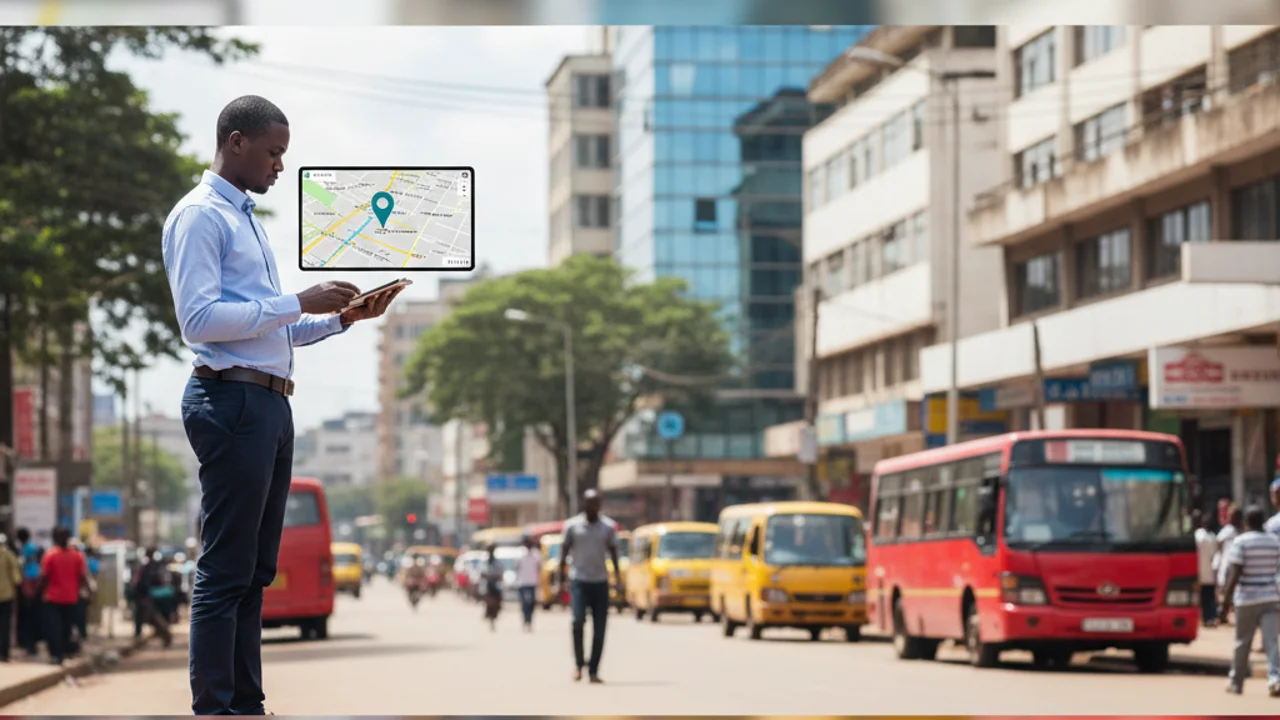
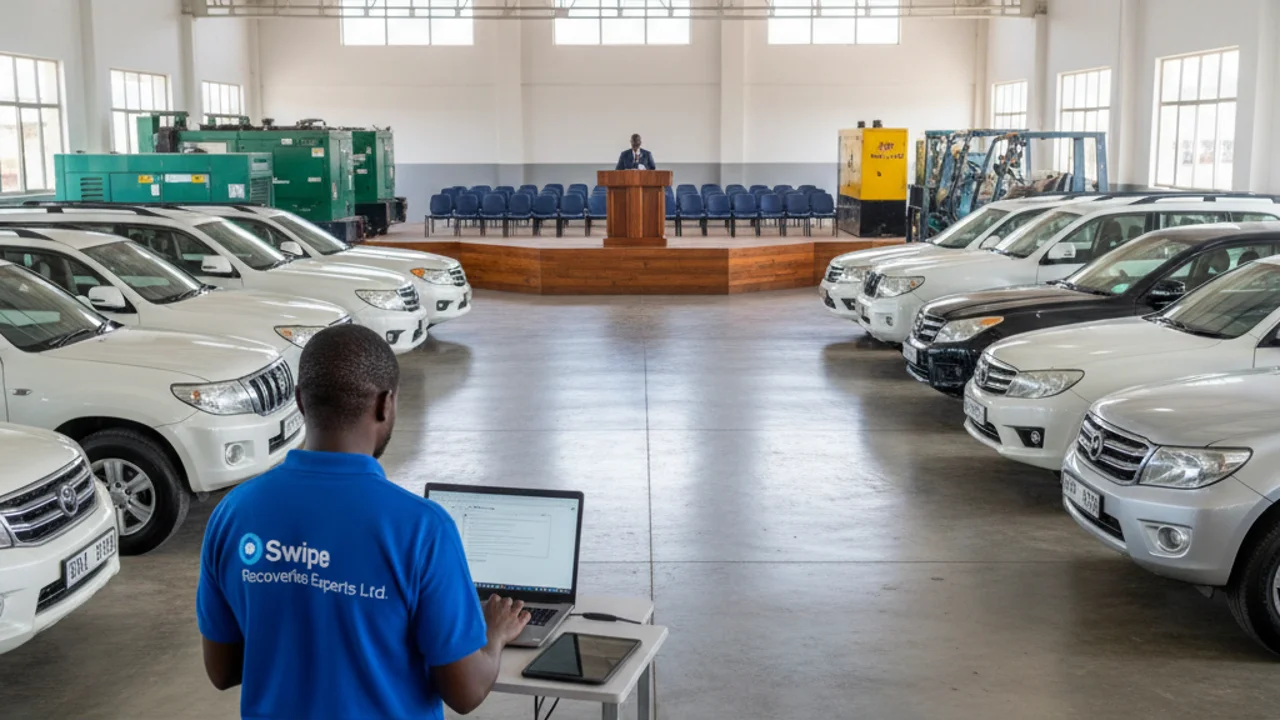
Our first step is verification. We scrutinize all documentation to confirm the legal basis for repossession. Next is the location phase. If the debtor's or asset's whereabouts are unknown, our skip tracing team is deployed. Using ethical and advanced techniques, they can locate assets across Mombasa County, from the island itself to mainland areas like Changamwe or Bamburi. Once the asset is located, our licensed auctioneer proceeds with the physical recovery. This is done professionally and with minimal disruption. If resistance is anticipated or encountered, we liaise with the nearest police station for assistance, ensuring the process remains orderly. After seizure, the asset is transported to a secure storage yard, an inventory is taken, and a formal notification of repossession is served to the debtor, informing them of the steps required to redeem the asset.
Debt Recovery & Auctioneering Coverage in Mombasa, Kenya
Swipe Recoveries Experts Ltd provides commercial recovery, skip tracing, and auctioneering services across Mombasa, Kenya and all 47 counties in Kenya.
Costs & Practical Guidance

The total Mombasa repossession costs are a sum of various service fees, many of which are regulated by the Auctioneers Rules to prevent overcharging. A typical breakdown includes: Instruction & File Opening Fee: A nominal fee, often between KES 5,000 and KES 15,000, to cover administrative setup. Auctioneer's Charges: This is the primary fee, calculated based on a scale in the Auctioneers Rules. For reclaiming an asset, it can range from KES 5,000 to KES 25,000 or more, depending on the asset's value and the complexity of the recovery. Skip Tracing Fees: If the asset's location is unknown, this can add KES 10,000 to KES 30,000, depending on the difficulty of the search.
Additional operational costs may also apply. Towing & Storage Fees: For vehicles, towing can cost between KES 7,000 and KES 20,000 within Mombasa. Secure yard storage fees typically range from KES 1,000 to KES 2,500 per day. Police Assistance: If required, a fee for security provision may be necessary. Miscellaneous Costs: This can include locksmith fees if a vehicle is locked, or security guard charges. It's crucial to partner with a transparent agency like Swipe Recoveries that provides a clear, itemized quote upfront to avoid hidden charges.