Understanding Legal Aid in Debt Recovery in Kenya
Seeking recovery legal aid Kenya involves understanding the complex legal frameworks governing debt collection and resolution. Whether you are a creditor pursuing outstanding payments or a debtor navigating demands, access to accurate and timely legal assistance is paramount. This guide provides an authoritative overview of legal aid options and procedures within Kenya's debt recovery landscape. Swipe Recoveries Experts Ltd offers invaluable expertise, guiding clients through the intricacies of the Kenyan legal system to achieve favourable outcomes, ensuring compliance with statutory requirements and ethical practices.
Statutory Frameworks for Debt Recovery Legal Aid in Kenya
The foundation for recovery legal aid Kenya rests upon several key statutes and regulations. The primary legislation governing civil disputes, including debt recovery, is the Civil Procedure Act (Cap 21), which outlines the rules for court proceedings from filing a plaint to executing a decree. Complementing this is the Limitation of Actions Act (Cap 22), which sets strict timelines—typically six years for contract-based debts—within which legal action must be initiated. Understanding these timelines is crucial to avoid having a debt become statute-barred, rendering it legally unenforceable.
For more complex cases involving insolvent debtors, the Insolvency Act No. 18 of 2015 provides frameworks for bankruptcy (for individuals) and winding-up (for companies), offering structured processes for creditors to recover debts from financially distressed entities. Furthermore, the Small Claims Court Act No. 2 of 2016 establishes a streamlined, cost-effective forum for resolving disputes involving amounts up to KES 1,000,000, making legal aid more accessible for minor debt matters. Professional bodies like the Law Society of Kenya (LSK) play a vital role in regulating legal practice and advocating for legal aid initiatives, ensuring adherence to ethical standards by advocates operating within Nairobi and across Kenya.

Accessing Recovery Legal Aid: Procedures and Requirements in Kenya
Accessing effective recovery legal aid Kenya requires understanding the procedural steps and necessary documentation. The initial phase often involves sending a formal demand letter, usually drafted by an advocate, outlining the debt, outstanding amount, and a deadline for payment. If unresolved, the next step typically involves filing a suit in the appropriate court – either a Magistrate Court or the High Court (such as at the Milimani Law Courts in Nairobi CBD) depending on the monetary jurisdiction. Essential documentation includes the loan or contract agreement, invoices, statements of account, and any correspondence related to the debt. For secured debts, charges or mortgages would also be crucial.
For those seeking affordable legal services, the LSK often coordinates pro bono schemes through its various branches, including in Nairobi, connecting eligible individuals with advocates willing to offer services without charge. University legal aid clinics, often located in urban centres, also provide valuable assistance. Alternative Dispute Resolution (ADR) mechanisms like mediation and arbitration, encouraged by the courts, can also serve as a form of legal aid, offering a less adversarial and often quicker path to resolution than full litigation. Compliance with court rules, such as proper service of summons and filing of affidavits, is critical at every stage.
Debt Recovery & Auctioneering Coverage in Kenya
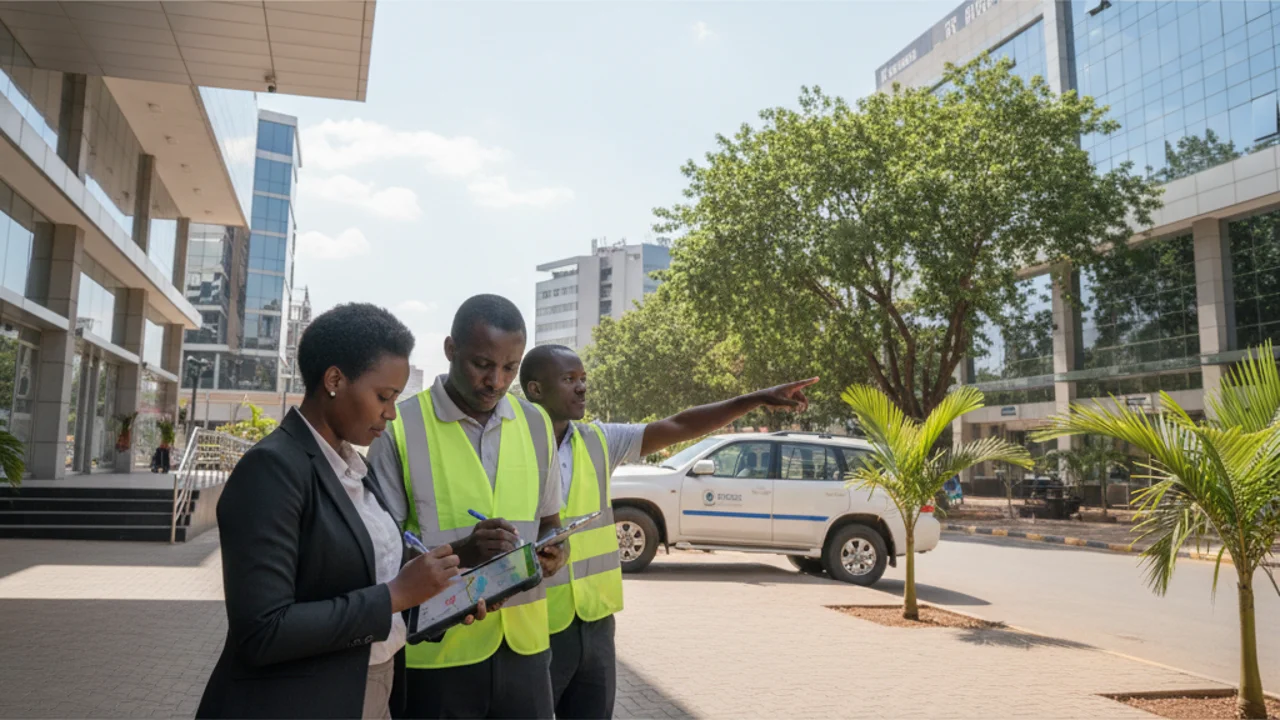
Swipe Recoveries Experts Ltd provides commercial recovery, skip tracing, and auctioneering services across Kenya and all 47 counties in Kenya.
Costs and Financial Considerations for Legal Aid in Debt Recovery (KES)

The costs associated with recovery legal aid Kenya can vary significantly based on the complexity of the case, the amount of debt, and the advocate's experience. Advocates' fees are typically guided by the Advocates Remuneration Order, which sets out a scale of minimum fees. For debt recovery, fees can be structured as an hourly rate, a fixed fee for specific stages (e.g., KES 20,000-50,000 for drafting and filing a plaint), or a percentage of the amount recovered (contingency fee, though often debated for ethical implications). Besides advocate fees, clients must budget for court filing fees (e.g., from KES 500 for small claims to several thousands for High Court cases), process server fees (KES 1,500-5,000 per service), and other disbursements like photocopying and transport.
Understanding these financial obligations upfront is crucial. Swipe Recoveries Experts Ltd, while primarily assisting creditors, can provide clear guidance on the likely cost implications of pursuing legal action for debt recovery in Kenya, working to identify the most cost-effective strategies. For individuals unable to afford legal representation, exploring options like the Small Claims Court, university clinics, or LSK's pro bono initiatives is advisable to ensure access to justice without prohibitive financial burden. Proper documentation and a clear strategy from the outset can help minimize unforeseen expenses and accelerate the recovery process.