Cost-Effective Recovery for Microfinance Institutions
Scalable and compliant MFI contract recovery in Kenya is essential for the sustainability of any Microfinance Institution (MFI) or Microfinance Bank (MFB). Unlike traditional banks, MFIs often deal with a high volume of smaller, often unsecured loans, making efficient recovery a unique challenge. Swipe Recoveries Experts Ltd offers a specialized service tailored to the MFI sector. We combine technology, data-driven strategies, and deep legal expertise to manage and recover non-performing loan (NPL) portfolios effectively. Our process is designed to maximize returns while strictly adhering to regulations from the Central Bank of Kenya (CBK) and the Data Protection Act, 2019, safeguarding your institution's reputation.
Regulatory Compliance: The Microfinance Act & Data Protection
The framework for MFI contract recovery in Kenya is primarily dictated by the Microfinance Act, 2006 and the prudential guidelines issued by the Central Bank of Kenya (CBK). These regulations govern everything from licensing and operations to consumer protection. Any debt collection activity must be conducted ethically and transparently to avoid regulatory penalties and reputational damage. Our recovery specialists are thoroughly trained in these CBK guidelines to ensure every communication and action is compliant.
Crucially, the Data Protection Act, 2019 has added another layer of complexity. How an MFI and its agents handle borrower data is under strict scrutiny. Our recovery processes are designed with data privacy at their core. We ensure that all communication, data processing, and skip tracing activities are conducted in a manner that respects the rights of data subjects, preventing breaches that could lead to heavy fines from the Office of the Data Protection Commissioner. This focus on compliance, recognized by industry bodies like the Association of Microfinance Institutions of Kenya (AMFI-K), is a non-negotiable part of our service.

Our Tailored MFI Debt Recovery Process
Recovering a high volume of small-value loans requires a different approach from large corporate debts. Our process is built for the scale and specific nature of microfinance lending.
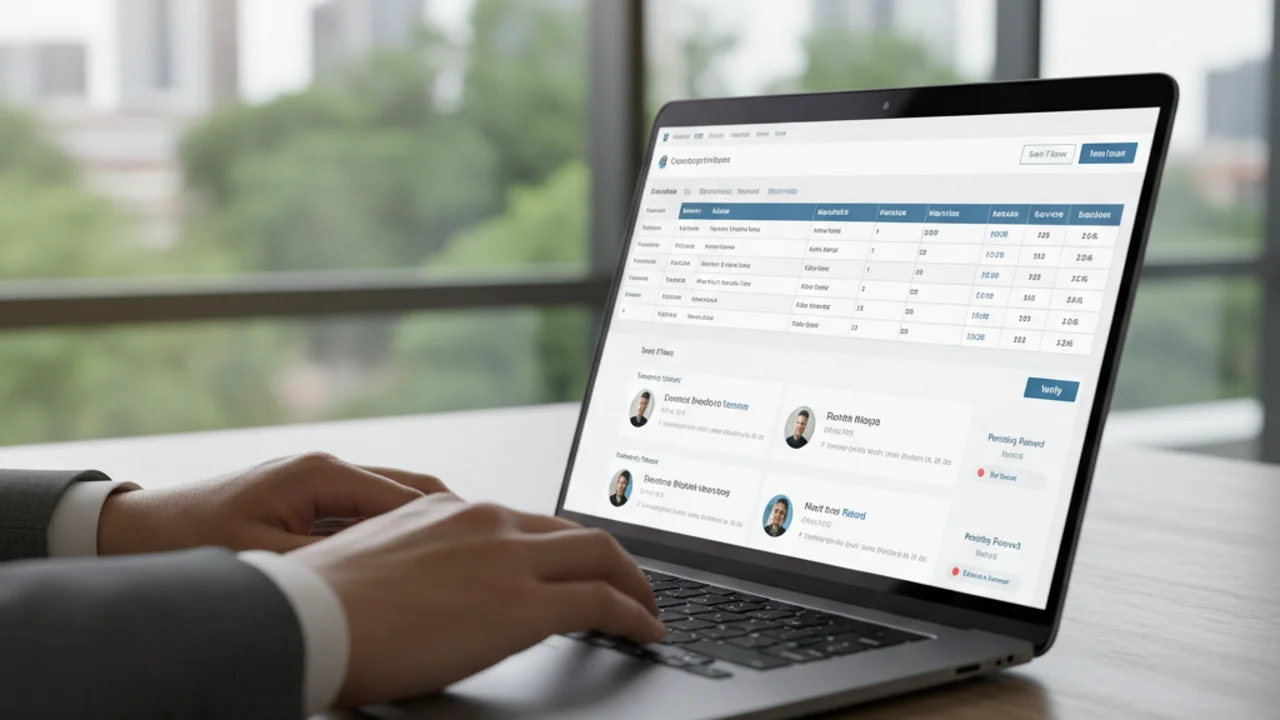
Step 1: Data Segmentation and Strategy. We receive your NPL portfolio and use data analytics to segment the debts based on factors like age, balance, and borrower's payment history. This allows us to apply the most cost-effective recovery strategy for each segment, whether it's automated reminders for recent defaults or intensive follow-up for older debts.
Step 2: Multi-Channel Communication. We deploy a mix of communication methods, including automated SMS and email reminders, personalized phone calls from our call centre, and, where viable, field visits from our agents. This multi-pronged approach increases the chances of contacting the borrower and negotiating a repayment plan.
Step 3: Negotiation and Small Claims Court. Our team is trained in negotiation to secure realistic repayment plans. For smaller, undisputed debts that remain unpaid, the Small Claims Court offers a quick and cost-effective legal route. For larger or disputed MFI loans, we proceed through the Magistrate's Courts, managing the entire legal process on your behalf.
Debt Recovery & Auctioneering Coverage in Kenya
Swipe Recoveries Experts Ltd provides commercial recovery, skip tracing, and auctioneering services across Kenya and all 47 counties in Kenya.
Pricing Models for MFI Portfolio Recovery (KES)

We offer flexible and scalable pricing to make professional MFI contract recovery in Kenya accessible and financially viable. Our goal is to provide a positive return on investment for your recovery efforts.
Our most popular model is a contingency or commission-based fee. We charge a percentage of the funds we successfully recover, meaning there is minimal upfront cost to you. Given the smaller average loan size in the MFI sector, this commission typically ranges from 15% to 30%. The exact rate depends on the volume of accounts, the average balance, and the age of the debt portfolio.
For MFIs seeking a more integrated, ongoing solution for their entire NPL management, we can structure a fixed monthly retainer. This service provides a dedicated team to manage your delinquent accounts proactively. Retainer fees for such portfolio management services can start from KES 50,000 per month, providing a predictable cost for a comprehensive recovery function. This allows your internal team to focus on new lending and customer service.