Understanding Legal Services for Repossession in Kenya
When considering legal services repossession in Kenya, it’s imperative to understand the intricate legal framework that governs the recovery of secured assets. Swipe Recoveries Experts Ltd specializes in providing robust, legally compliant repossession services, ensuring creditors reclaim their assets efficiently and within the bounds of Kenyan law. Our approach minimizes risks and maximizes successful recovery, offering peace of mind to financial institutions and businesses across Nairobi and beyond. We combine seasoned legal expertise with practical operational efficiency to handle even the most complex repossession cases.
Statutory Frameworks Governing Repossession in Kenya
In Kenya, the provision of legal services repossession is strictly guided by several key statutory frameworks designed to protect both creditor and debtor rights. The primary legislations include the Chattels Transfer Act (Cap. 28), which governs the transfer of movable property, and the Hire Purchase Act (Cap. 507), applicable to assets acquired under hire purchase agreements. Additionally, the Auctioneers Act (Cap. 526) and its rules, particularly the Auctioneers Rules, dictate the conduct and licensing of auctioneers who are often instrumental in executing repossession orders. For specific financial instruments, the Companies Act (No. 17 of 2015) or the Insolvency Act (No. 18 of 2015) may apply in cases involving corporate debtors. Professional bodies like the Law Society of Kenya uphold standards for legal practitioners involved in these processes. Understanding these legal pillars is fundamental to ensuring that any repossession process is conducted lawfully, avoiding costly disputes and compliance breaches. Swipe Recoveries Experts Ltd maintains an updated knowledge of these regulations, ensuring all actions are fully compliant with current Kenyan legal requirements, from demand notices to the final auction.

The Legal Repossession Process: Steps and Requirements
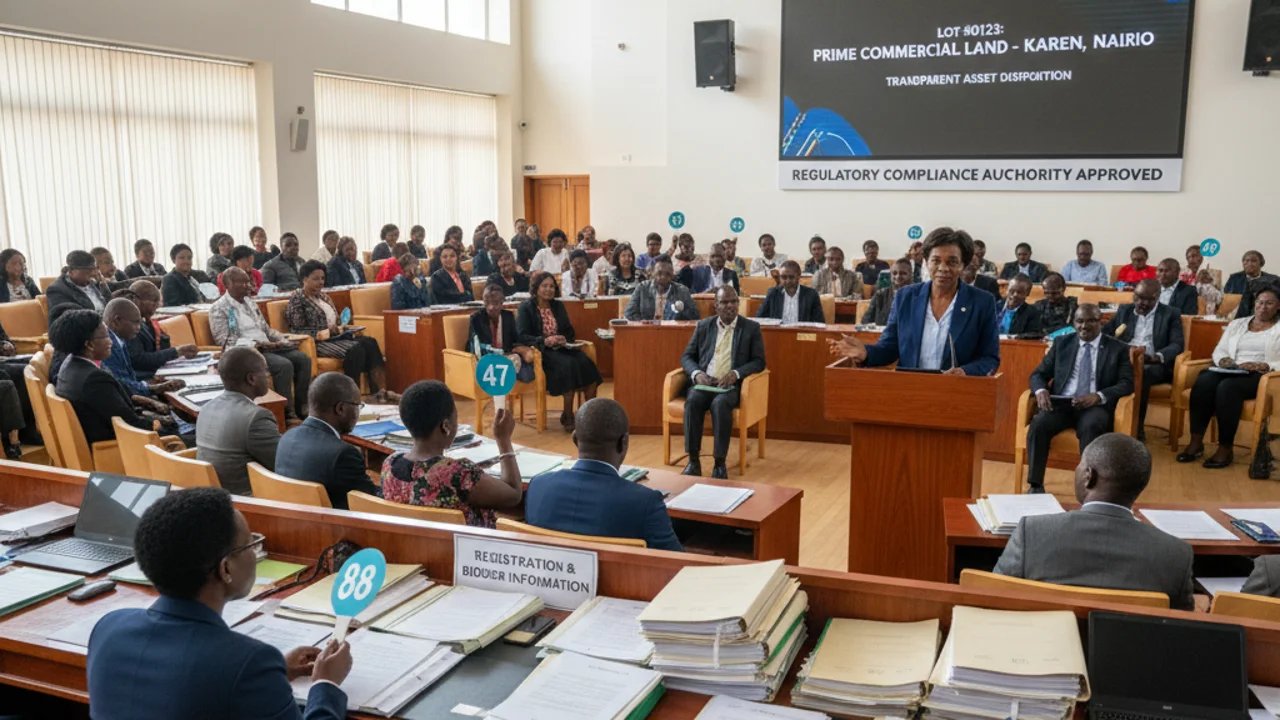
The legal repossession process in Kenya follows a structured sequence designed to uphold due process. It typically commences with the issuance of a formal Statutory Notice of Default to the debtor, often requiring a specified period (e.g., 21 days) to remedy the default. If the default persists, the creditor, through legal counsel or a licensed auctioneer, can then initiate further steps. These may include obtaining a court order for repossession, especially if there's resistance or the asset is not easily accessible. Documentation is critical, including the original loan or hire purchase agreement, proof of default, and valid identification of the parties involved. Once an order is obtained or legal right established, a licensed auctioneer, such as those associated with Swipe Recoveries Experts Ltd, is lawfully empowered to seize the asset. All procedures must adhere to the Auctioneers Rules, including proper identification, inventorying the repossessed goods, and arranging for secure storage. Failure to follow these steps can lead to legal challenges, making expert guidance for the process indispensable. Our team ensures every procedural and documentation requirement is meticulously met.
Cost Implications and Practical Guidance for Repossession Services

Engaging legal services repossession involves various cost implications that creditors must factor in. These typically include legal fees for drafting notices and court applications, court filing fees, and importantly, auctioneer fees. Auctioneer fees in Kenya are regulated by the Auctioneers Act (Cap. 526) and often amount to a percentage of the value of the repossessed goods, plus out-of-pocket expenses for transportation, storage, and valuation. For example, for an asset valued at KES 500,000, auctioneer fees might range from KES 50,000 to KES 75,000, depending on complexity and statutory scales. Additional costs may arise from skip tracing (for locating assets), asset surveillance, and security measures during the recovery process. Swipe Recoveries Experts Ltd provides transparent fee structures and detailed estimates from the outset. We ensure you understand the potential costs involved in securing your assets, whether it’s a vehicle repossession in Nairobi or other valuable chattels. Our dedicated team at International Life Hse, 8th Floor, Mama Ngina Street, Nairobi, offers tailored solutions, balancing cost-effectiveness with legal certainty.