Understanding the Legal Framework for Debt Recovery in Kenya
The legal process for debt recovery in Kenya involves a structured approach governed by specific statutes designed to help creditors reclaim outstanding dues while safeguarding debtors' rights. Navigating this intricate system requires a deep understanding of Kenyan law, from initiating a demand to enforcing a judgment. Businesses and individuals seeking to recover debt in Kenya must adhere strictly to the stipulated legal procedures to ensure successful outcomes and avoid legal pitfalls. Swipe Recoveries Experts Ltd specialises in guiding clients through every step of this process, providing both legal and practical solutions tailored to each unique situation, ensuring compliance and efficiency in securing your rightful claims.
Key Statutory Frameworks Governing Debt Recovery in Kenya
In Kenya, the primary legal instruments guiding debt recovery procedures are the Civil Procedure Act (Cap 21) and its Rules, which outline the steps for civil litigation from filing a suit to executing a judgment. Complementing this, the Limitation of Actions Act (Cap 22) is crucial, as it sets time limits within which a creditor can institute legal proceedings; generally, six years for contract-based debts from the date the cause of action arose. For commercial entities, understanding the Companies Act, 2015, and the Insolvency Act, 2015, is vital, especially when dealing with corporate debtors, as these Acts govern insolvency proceedings like winding-up petitions or administration.
Furthermore, the Auctioneers Act (Cap 526) and its Rules regulate the conduct of auctioneers involved in the execution of court orders, particularly in seizing and selling debtor assets. For specific sectors, other regulations may apply, such as those from the Central Bank of Kenya (CBK) for financial institutions. Proper adherence to these frameworks, often overseen by institutions like the Law Society of Kenya (LSK), is paramount for legitimate and enforceable debt recovery. Swipe Recoveries Experts Ltd, based conveniently at International Life Hse, 8th Floor, Mama Ngina Street, Nairobi, ensures all recovery efforts are compliant with these comprehensive legal mandates, protecting our clients' interests throughout the entire legal process for debt recovery in Kenya.
Step-by-Step Procedure for Debt Recovery in Kenya
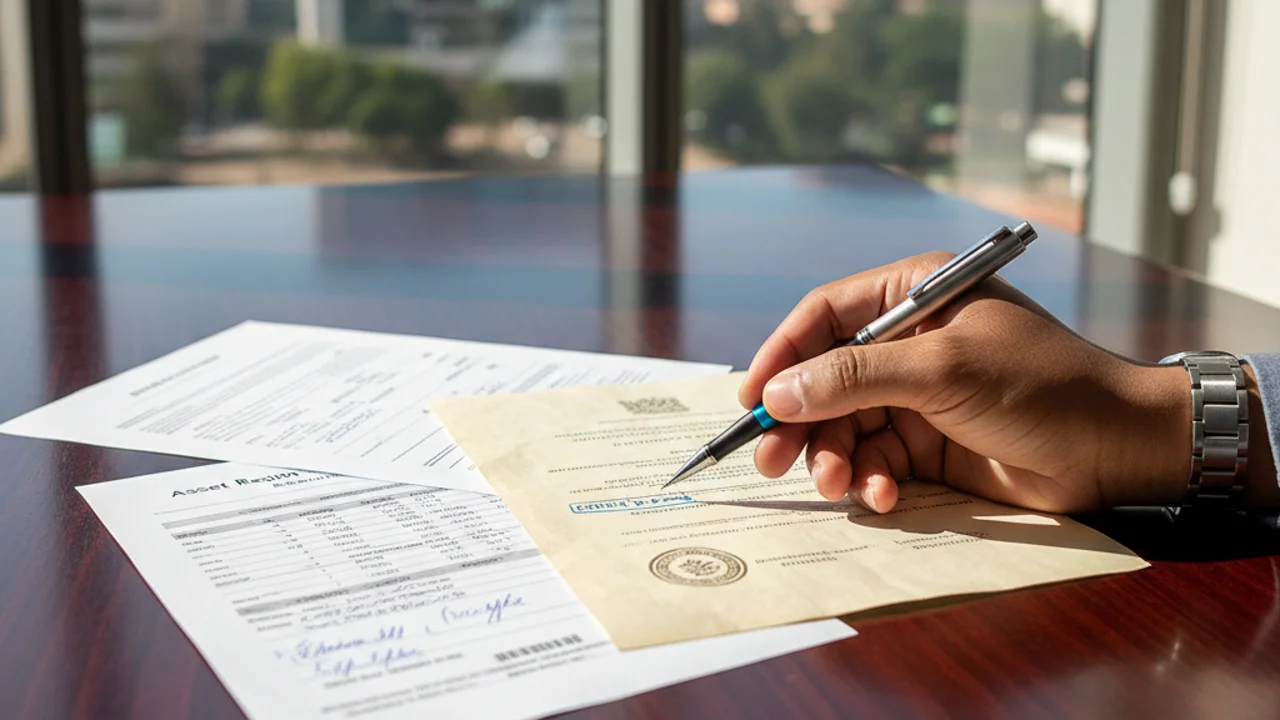
The typical legal process for debt recovery in Kenya commences with issuing a formal Letter of Demand to the debtor, outlining the outstanding amount, basis of the debt, and a deadline for payment. If the demand is ignored, the creditor initiates a civil suit by filing a Plaint at either the Magistrates' Courts or the High Court, depending on the monetary jurisdiction. This involves legal documentation and proper service of summons on the debtor, ensuring they are aware of the proceedings.
Upon successful litigation, the court issues a judgment in favour of the creditor. However, obtaining a judgment is merely the first step; the next is execution of judgment. This phase, often the most challenging, involves various methods such as attachment of property (movable or immovable), garnishment of bank accounts, or even warrant of arrest in specific circumstances. For corporate debtors, a statutory demand can lead to a winding-up petition under the Insolvency Act, 2015, if the debt remains unpaid. Each step requires meticulous documentation, adherence to court rules, and strategic legal advice. Swipe Recoveries Experts Ltd excels in providing comprehensive support for this entire procedure, from initial demand to successful execution, ensuring a streamlined and effective recovery for our clients within Nairobi and across Kenya.
Debt Recovery & Auctioneering Coverage in Kenya
Swipe Recoveries Experts Ltd provides commercial recovery, skip tracing, and auctioneering services across Kenya and all 47 counties in Kenya.
Cost Implications and Practical Guidance in Kenyan Debt Recovery

Understanding the cost implications is a critical aspect of the legal process for debt recovery in Kenya. Fees typically include court filing fees, legal professional fees (advocates' fees), and execution costs, such as auctioneer charges. Court filing fees vary depending on the amount claimed and the court's jurisdiction; for instance, a claim of KES 500,000 might incur approximately KES 5,000 to KES 10,000 in filing fees alone. Advocates’ fees are usually based on the Advocates Remuneration Order, often a percentage of the recovered amount or an agreed-upon hourly rate, which can range from 10% to 25% of the debt, or specific fixed fees for tasks like drafting demand letters or court appearances. Auctioneer fees are also regulated by the Auctioneers Act, Cap 526, and typically involve a commission on the value of goods seized and sold, plus incidental expenses.
While these costs can be substantial, they are often recoverable from the debtor upon a successful judgment. However, creditors should budget for these upfront expenses. A professional debt recovery agency like Swipe Recoveries Experts Ltd can provide a detailed breakdown of potential costs and help manage expectations. We offer transparent fee structures and efficient recovery strategies, including skip tracing and asset searches, to maximise your chances of successful recovery while minimising your financial outlay. Our expertise ensures a cost-effective and compliant journey through the complex Kenyan legal system, leading to results that matter.