Your Guide to the Legal Side of Debt Recovery
Seeking professional legal advice recovery is the first critical step toward successfully reclaiming outstanding debts in Kenya. Whether you are an individual with a personal loan gone bad or a business with a mountain of unpaid invoices, the path to recovery is paved with legal procedures and statutory requirements. Simply demanding payment is often not enough; you need a strategy grounded in Kenyan law to compel payment and, if necessary, enforce your rights through the court system. Understanding when to send a demand letter, how to file a lawsuit, and the process of executing a court judgment is paramount. This guide offers authoritative insights into the legal avenues available for debt recovery, helping you make informed decisions. Swipe Recoveries Experts Ltd, conveniently located at International Life Hse on Mama Ngina Street, provides end-to-end recovery solutions that integrate expert legal coordination.
The Legal Foundation of Debt Recovery in Kenya
The debt recovery process in Kenya is primarily governed by a set of key statutes that every creditor must be aware of. The Civil Procedure Act (Cap 21) and its accompanying Rules are the master framework, dictating the entire lifecycle of a civil suit, from filing a plaint to executing a judgment. This Act outlines the formal steps for taking a debtor to court, obtaining a decree, and legally enforcing that decree through measures like attachment of assets.
Equally important is the Limitation of Actions Act (Cap 22). This law sets a strict timeframe within which a creditor must initiate legal action to recover a debt. For most contract-based debts (like unpaid invoices or simple loans), a creditor has six years from the date the debt became due. If you wait longer than this period, your claim becomes 'statute-barred,' and you lose the legal right to recover the money through the courts. Understanding this limitation is the most critical piece of legal advice recovery professionals offer. Other relevant laws include the Auctioneers Act for executing judgments and the Small Claims Court Act for faster resolution of smaller debts.

Key Legal Stages in the Debt Recovery Process
Navigating the recovery process requires a methodical, stage-by-stage approach rooted in legal procedure. Each step has a specific legal purpose and must be executed correctly.
Stage 1: The Demand Letter. This is the formal, written demand for payment sent to the debtor. A professionally drafted demand letter, often from an advocate or a recovery agency, serves two purposes: it shows the court you made a genuine attempt to settle the matter amicably, and it formally puts the debtor on notice, starting the clock for potential legal action. It is a mandatory first step before litigation.
Stage 2: Filing a Suit. If the demand letter is ignored, the next step is to file a lawsuit. The choice of court is crucial. The Small Claims Court Act, 2016 allows for the quick and inexpensive resolution of claims under KES 1 million. For larger or more complex matters, a plaint is filed in the Magistrate’s Court or the High Court, depending on the monetary value of the debt.
Stage 3: The Judgment and Decree. After presenting the case, if the court rules in your favor, it issues a 'judgment'. This judgment is then formalized into a 'decree'—a binding court order compelling the debtor to pay. In some straightforward cases, a creditor can apply for a 'summary judgment' to expedite this process without a full trial.
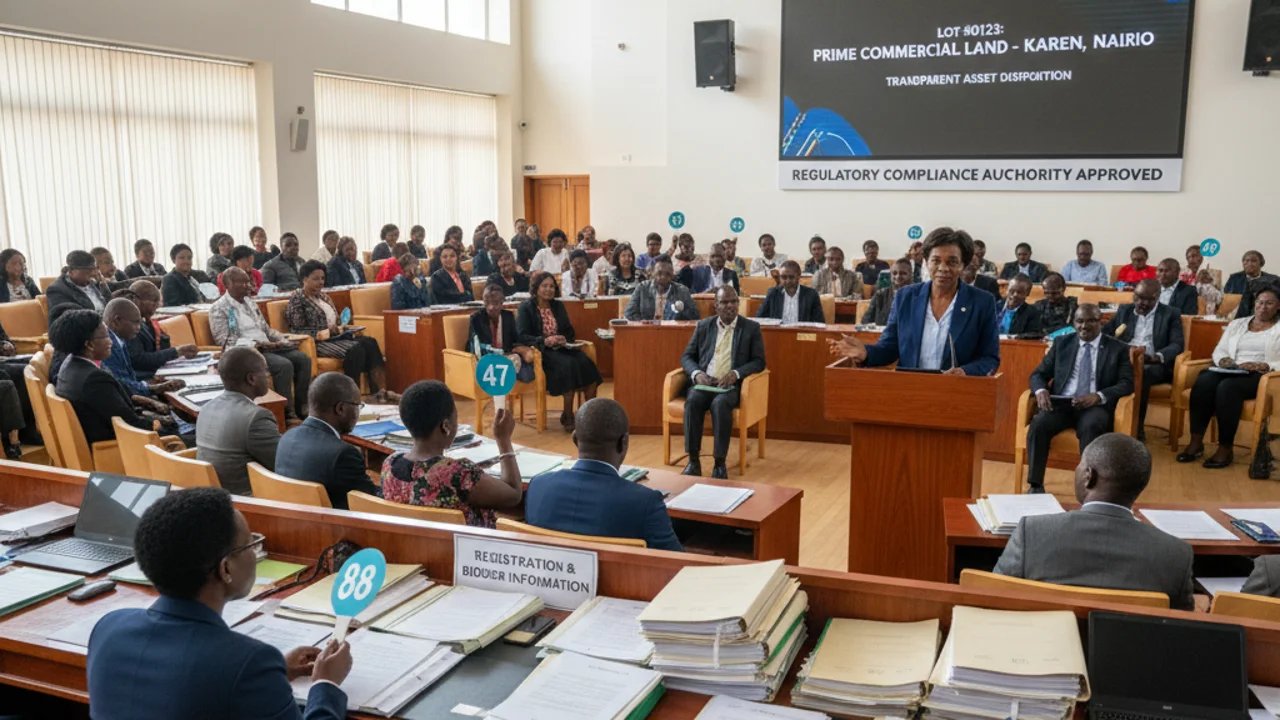
Stage 4: Execution of the Decree. A decree is not money in the bank. If the debtor still refuses to pay, you must 'execute' the decree. This involves instructing a licensed court bailiff or auctioneer to attach the debtor's assets (e.g., vehicles, land, or stock) and sell them at a public auction to satisfy the debt.
Professional Legal Advice vs. a Recovery Agency

Creditors often wonder whether to hire an advocate or a recovery agency. The two roles are distinct but complementary. An advocate, licensed by the Law Society of Kenya (LSK), is essential for representing you in court, drafting court documents, and providing formal legal opinions. Their role is centered on the litigation process.
A specialized recovery agency like Swipe Recoveries Experts Ltd offers a broader, more operational service. We manage the entire recovery lifecycle. This includes pre-litigation efforts like skip tracing (locating debtors), asset searches, sending demand letters, and persistent negotiation. When litigation becomes necessary, we seamlessly coordinate with a panel of experienced advocates to manage the legal process on your behalf. After a judgment is obtained, we take the lead in the execution phase, instructing auctioneers and overseeing the attachment and sale of assets. Our integrated approach provides a single point of contact for the creditor, making the entire process, from initial advice to final recovery, more efficient and less stressful.