Understanding Commercial Legal Debt Recovery in Kenya
Addressing commercial legal debt Kenya is a critical challenge for businesses, impacting cash flow and operational stability. From unpaid invoices to breached contracts, effective legal strategies are essential for both recovery and mitigation. This guide delves into the legal intricacies surrounding commercial debt, outlining the statutory frameworks, recovery processes, and cost implications. Swipe Recoveries Experts Ltd stands as a leading authority, offering specialized debt recovery, skip tracing, and asset search services tailored for commercial entities navigating the complexities of commercial legal debt in Kenya's dynamic economic landscape.
Key Legal Frameworks Governing Commercial Debt in Kenya
The landscape of commercial legal debt Kenya is governed by a robust set of laws designed to protect creditor rights and ensure fair business practices. Central to this is the Contracts Act (Cap 23), which establishes the enforceability of commercial agreements, laying the groundwork for actions stemming from breach of contract. The Companies Act No. 17 of 2015 dictates the legal personality and obligations of corporate debtors, impacting how debt recovery proceedings are initiated against limited companies. Furthermore, the Insolvency Act No. 18 of 2015 is pivotal, providing mechanisms such as statutory demands and winding-up petitions for dealing with insolvent commercial debtors, allowing creditors to force a company into liquidation to recover their dues from company assets.
Procedural aspects of pursuing commercial debt are detailed in the Civil Procedure Act (Cap 21), which guides litigation from filing a plaint in courts like the Milimani Commercial Courts in Nairobi to obtaining a judgment. For specific transactions, the Sale of Goods Act (Cap 31) is relevant to disputes over goods, while the Business Laws (Amendment) Act No. 1 of 2020 has introduced various changes impacting commercial transactions. Adherence to these frameworks, often overseen by professional bodies like the Law Society of Kenya (LSK), is paramount for any successful commercial legal debt recovery strategy.

The Process of Commercial Legal Debt Recovery in Kenya
The process of recovering commercial legal debt Kenya typically follows a structured legal path. It often begins with sending a formal demand letter, outlining the debt and demanding payment within a specified period. If this fails, for corporate debts, a statutory demand can be issued under the Insolvency Act; failure to comply within 21 days can lead to a winding-up petition. Should litigation be necessary, a plaint is filed in the appropriate court (Magistrate or High Court, often in Nairobi CBD), followed by service of summons to the debtor. Depending on the debtor's response, the creditor may seek a default judgment or a summary judgment if there is no arguable defence.
Once a judgment is obtained, the focus shifts to execution. This involves various enforcement mechanisms, including attachment and sale of movable or immovable property (through court-ordered auctions), garnishee orders (to seize funds from the debtor's bank account), or appointment of a receiver. For complex cases, comprehensive asset tracing services become crucial to identify hidden assets for seizure. Swipe Recoveries Experts Ltd excels in this aspect, utilizing advanced skip tracing and asset search techniques to identify and locate debtors and their assets, ensuring a more effective recovery for businesses facing commercial legal debt.
Debt Recovery & Auctioneering Coverage in Kenya
Swipe Recoveries Experts Ltd provides commercial recovery, skip tracing, and auctioneering services across Kenya and all 47 counties in Kenya.
Costs and Timelines for Commercial Debt Recovery Actions in Kenya (KES)
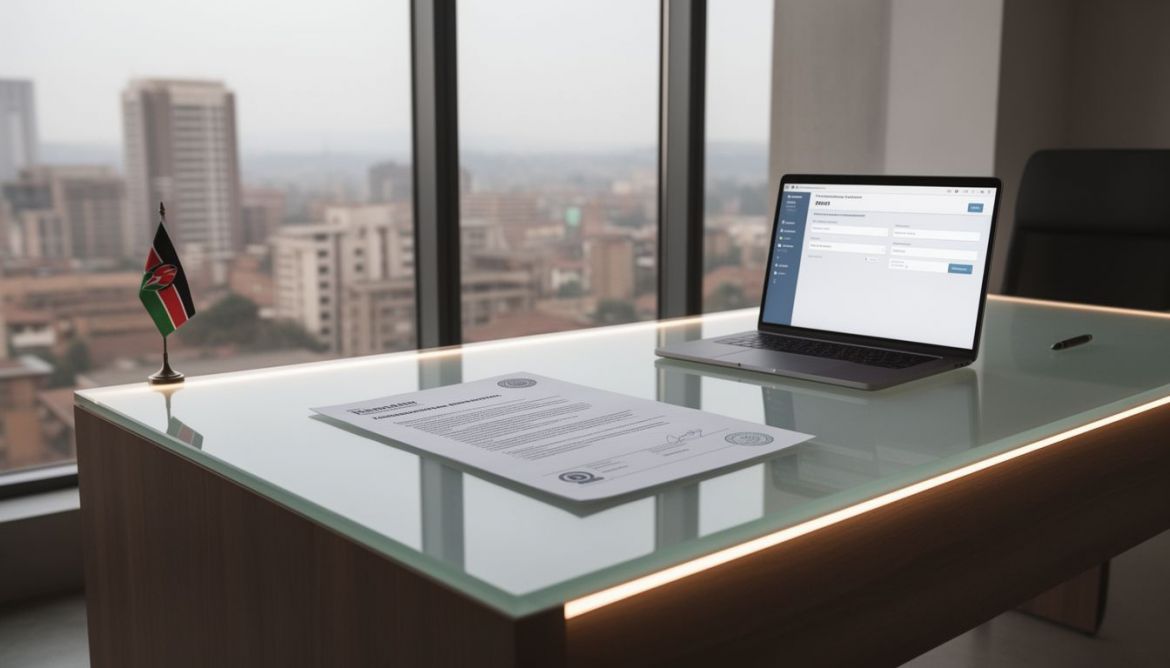
The costs associated with recovering commercial legal debt Kenya can be substantial and vary widely. Legal fees are typically based on the value of the debt, complexity, and the advocate's experience. Court filing fees for a plaint can range from KES 5,000 to over KES 10,000 for High Court cases, with additional fees for applications and appeals. Process server fees are typically between KES 1,500 and KES 5,000 per service. If the matter proceeds to execution, auctioneer fees are regulated by the Auctioneers Act, often a percentage of the sale value, plus proclamation and advertising costs. These expenses quickly accumulate, making cost-benefit analysis essential.
Timelines for commercial legal debt recovery in Kenya also vary considerably. A simple, undisputed debt resolved through a default judgment might take 6-12 months. However, complex or heavily defended cases, especially those requiring asset tracing or involving insolvency proceedings, can extend to 2-3 years or more due to court congestion at the Milimani Law Courts in Nairobi and the procedural requirements. Swipe Recoveries Experts Ltd provides clear cost estimates and realistic timelines, leveraging our expertise in efficient case management, skip tracing, and asset recovery to mitigate costs and accelerate the recovery process for businesses.