Proactive Management to Prevent and Resolve Auction Conflicts
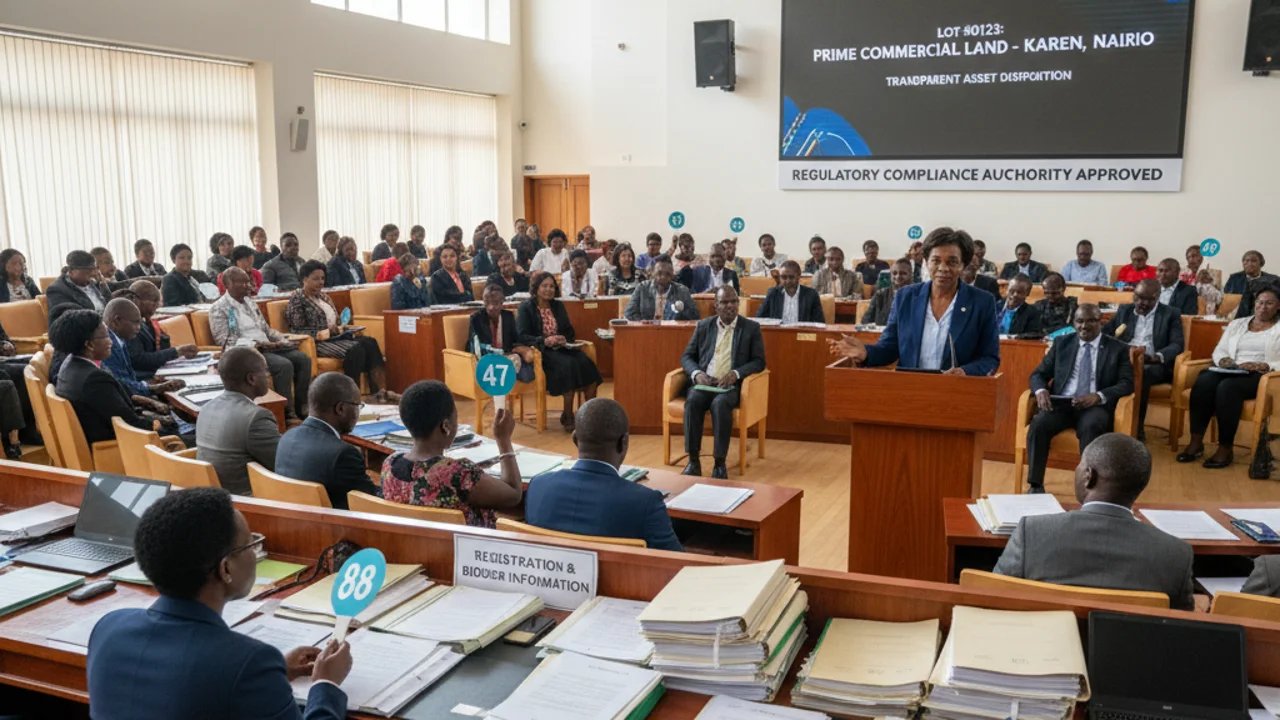
Effective auction dispute resolution begins long before the first bid is placed. It is rooted in a meticulously planned, transparent, and legally compliant auction process. Disputes, whether from buyers, debtors, or creditors, can derail recoveries and lead to costly litigation. At Swipe Recoveries Experts Ltd, our primary goal is to prevent these conflicts through rigorous adherence to the law and clear communication. From our offices at International Life Hse, 8th Floor, Mama Ngina Street, Nairobi, we specialize in managing auctions in a way that minimizes ambiguity and builds trust. Should a dispute arise, our experienced team is equipped to facilitate swift and fair resolutions, safeguarding the integrity of the sale and protecting the interests of all stakeholders involved.
The Legal Framework Governing Auctions and Disputes in Kenya
The cornerstone of auction regulation in Kenya is the Auctioneers Act (Cap 526) and its accompanying Rules. This legislation outlines the precise duties, powers, and code of conduct for licensed auctioneers. It details requirements for everything from advertising a sale to handling client funds. The Auctioneers Licensing Board is the statutory body responsible for enforcing these standards and hearing complaints against its members. Understanding this framework is the first step in auction dispute resolution.
Beyond the Auctioneers Act, other statutes come into play. The Sale of Goods Act (Cap 31) governs the terms implied in a contract of sale, including the description and quality of goods. For property, the Land Act, 2012 and the Land Registration Act, 2012 are critical, particularly regarding the transfer of clean title. Disputes often arise from a perceived failure to comply with these laws, such as allegations of an improperly set reserve price, misrepresentation of an asset's condition, or procedural errors in the attachment process. Our expertise lies in navigating this complex legal matrix to ensure every auction is defensible against such challenges.

Common Auction Disputes and Our Resolution Process
Disputes can emerge at any stage of the auction. Our proactive approach is designed to mitigate these common issues, but we also have a clear process for when they occur:
Common Disputes:
Asset Misrepresentation: A buyer alleges the asset's condition, age, or specifications do not match the auction catalogue or advertisement.
Reserve Price Challenges: A debtor or creditor argues that the reserve price was set too low, resulting in a sale at an undervalue.
Bidding Irregularities: Allegations of shill bidding (fake bids to inflate prices) or bidder collusion.
Title and Encumbrances: Post-auction discovery of liens or other legal claims against a property or vehicle title.
Payment/Collection Defaults: A winning bidder fails to pay the purchase price or collect the item within the stipulated timeframe.
Our Resolution Process:
1. Immediate Review: We document the complaint and gather all relevant information, including advertisements, terms of sale, and bidding records.
2. Direct Communication & Mediation: We facilitate a structured dialogue between the involved parties. Our goal is to find a mutually agreeable solution based on the facts and the governing legal principles, avoiding escalation.
3. Formal Determination: We provide a determination based on the signed terms and conditions of the auction. For example, if an item was clearly sold 'as-is, where-is,' we will refer the buyer to this binding condition.
4. Guidance on Escalation: If a resolution cannot be reached, we provide clear guidance on the formal channels available, such as making a report to the Auctioneers Licensing Board or seeking a remedy through the courts or a tribunal. Our transparent record-keeping provides a clear evidential trail for any subsequent proceedings.
Costs Associated with Auction Dispute Resolution

The most cost-effective strategy is prevention. By investing in a professionally managed auction process with Swipe Recoveries, clients significantly reduce the risk of disputes and their associated costs. Our management fees are an investment in risk mitigation. However, when disputes do occur, costs can vary. Informal mediation led by our team is part of our service and typically carries no extra charge. It is the most efficient way to resolve issues, saving both time and money.
If external resolution is required, costs can escalate. Engaging an independent mediator might cost between KES 25,000 and KES 70,000 per session in Nairobi. If the matter proceeds to the Business Premises Rent Tribunal or court, legal fees and court filing costs can quickly run into hundreds of thousands of Shillings. Our detailed documentation and compliant procedures are designed to place our clients in the strongest possible position should litigation become unavoidable, but our primary focus remains on resolving disputes practically and commercially without resorting to the courts.