A Strategic Approach to Debt Recovery Through the Legal System
Initiating legal action against debtors is a decisive step for recovering what you are rightfully owed when all other methods have failed. This formal process, governed by Kenyan law, provides a powerful and structured pathway to compel payment. Swipe Recoveries Experts Ltd specializes in managing this entire process, transforming your unpaid invoices and defaulted loans into enforceable court judgments. From our offices at International Life House in Nairobi, we offer a seamless service that begins with a legally sound demand letter and progresses through the court system to the final execution phase. Our goal is to make the legal process clear, efficient, and effective, ensuring you have the best possible chance of successful recovery.
The First Step: The Formal Demand Letter & Statutory Notices
The first formal step in taking legal action is the issuance of a Demand Letter. This is not merely a request for payment; it is a critical legal document that sets the stage for litigation. Drafted by our legal experts, the demand letter clearly states the amount owed, the basis of the debt, and provides a final deadline for payment (usually 7 to 14 days). It explicitly states that failure to comply will result in the commencement of legal proceedings without further notice, with all associated costs being borne by the debtor. This formal notice often prompts payment from debtors who wish to avoid court.
In cases involving corporate debtors, a Statutory Notice under the Insolvency Act may be issued. This is a powerful tool that gives the company 21 days to pay the debt. Failure to pay or secure the debt can be used as grounds to file for the company's liquidation. The demand letter and statutory notice serve as crucial evidence in court, demonstrating that you provided the debtor with a final opportunity to settle the matter before litigation.

Navigating the Kenyan Court System: From Filing a Plaint to Judgment
If the demand letter is ignored, we proceed with filing a lawsuit. The choice of court depends on the debt amount. Debts up to KES 1,000,000 can be filed in the Small Claims Court, which offers a faster, less formal process as per the Small Claims Court Act, 2016. Larger claims are filed in the Magistrate's Court or the High Court of Kenya, depending on the monetary jurisdiction.
The process begins by filing a Plaint at the appropriate court registry. The Plaint is a formal document detailing the creditor's claim against the debtor. Once filed, the court issues Summons, which we then serve upon the debtor. The debtor has a limited time to enter an appearance and file a defence. If the debtor fails to respond, we can apply for a 'judgment in default'. If the debt is straightforward and undisputed, we can apply for a Summary Judgment, a faster procedure that avoids a full trial. Otherwise, the case proceeds to a hearing where we present evidence to prove the debt, leading to a court judgment and a decree.
Enforcing a Judgment & The Costs of Legal Action in Kenya (KES)

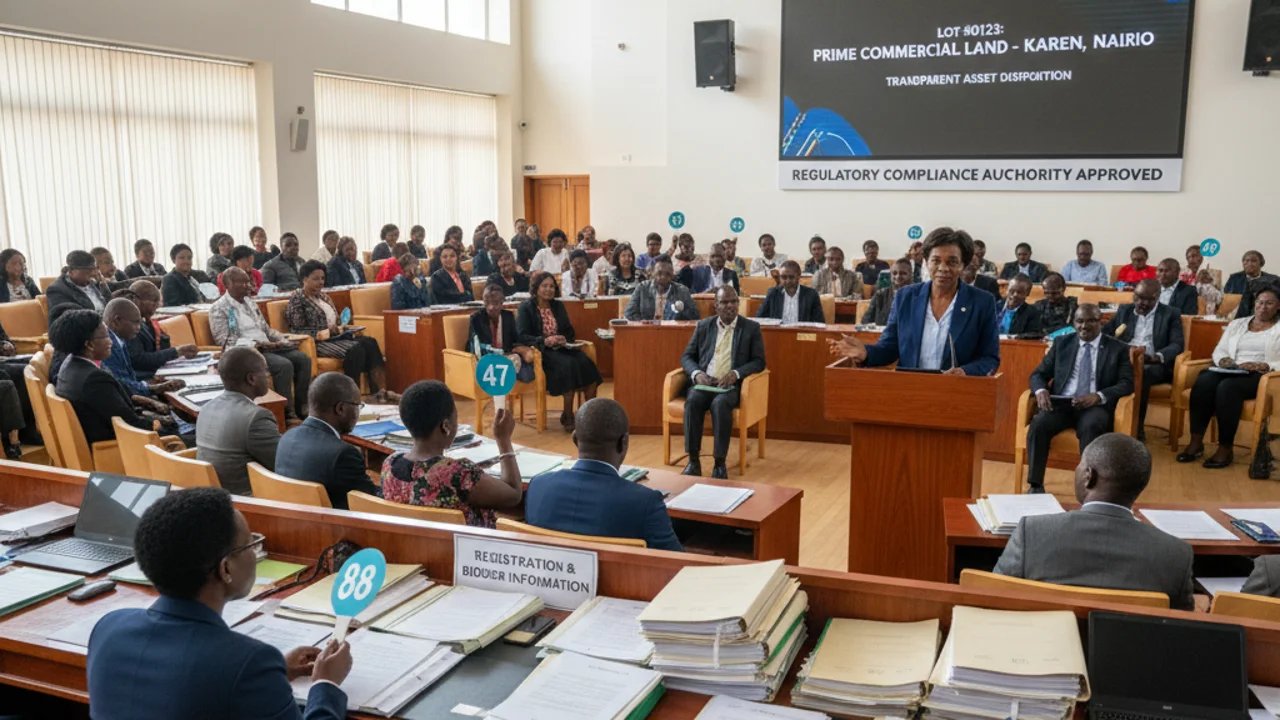
Obtaining a court judgment (decree) is a major victory, but the final step is enforcement, or 'execution'. This is where Swipe Recoveries' integrated services shine. We initiate the execution process to convert the court order into cash. This can involve obtaining Warrants of Attachment and Sale against the debtor's movable assets (like vehicles or office equipment). We then engage licensed auctioneers, governed by the Auctioneers Act, to seize and sell these assets to recover the debt.
The costs of legal action are twofold. First, there are court filing fees, which are prescribed by the judiciary and depend on the value of the claim. For a claim of KES 2,000,000, court fees might be around KES 70,000. Second, are the advocate's fees, which are guided by the Advocates' Remuneration Order and scaled based on the claim's value. We always aim to have these costs awarded by the court to be paid by the debtor, in addition to the principal debt and interest.