Navigating the Complexities of Lawful Asset Recovery
Grasping the precise repossession legal requirements in Kenya is fundamental for creditors seeking to recover assets from defaulting borrowers. The process is strictly governed by statute to protect both parties, demanding meticulous adherence to procedures and timelines. Any deviation can lead to legal challenges, delays, and potential liability. This guide elucidates the critical laws, necessary documentation, and step-by-step procedures involved in lawful repossession. Swipe Recoveries Experts Ltd provides expert services, ensuring that your asset recovery efforts are fully compliant with Kenyan law, efficient, and ultimately successful, turning defaulting loans into tangible recoveries.
Key Statutes and Frameworks for Repossession in Kenya
The foundation of repossession legal requirements in Kenya lies within several crucial legislative acts. For movable assets, the primary legislation is the Moveable Property Security Rights Act (MPSR Act), 2017, which modernised the law relating to security over movable property, largely superseding parts of the old Hire Purchase Act Cap. 507 and Chattels Transfer Act Cap. 28. This Act outlines the creation, perfection, priority, and enforcement of security interests over various movable assets, including vehicles, machinery, and equipment. It mandates specific notice periods and procedures that must be strictly followed before repossession. Additionally, the Auctioneers Act Cap. 526 regulates the conduct of licensed auctioneers, who are often involved in the physical repossession and subsequent sale of collateral. Any repossession must be conducted by a licensed auctioneer or their authorised agent.
For immovable property, such as land or buildings, repossession is governed by the Land Act (2012) and the Land Registration Act (2012), which detail the processes for enforcing charges (mortgages) over land. These acts impose stringent conditions, including mandatory statutory notices to the chargor (borrower) and other interested parties, providing specific cure periods before the chargee (lender) can exercise remedies like sale. Furthermore, general principles of contract law and the Civil Procedure Act Cap. 21 may also be relevant if court intervention is required to effect repossession or resolve disputes. Swipe Recoveries Experts Ltd possesses comprehensive knowledge of these intertwined legal frameworks, ensuring full compliance with every repossession legal requirements, whether for a vehicle in Nairobi or industrial equipment across Kenya.
The Repossession Process: Notice, Execution, and Compliance
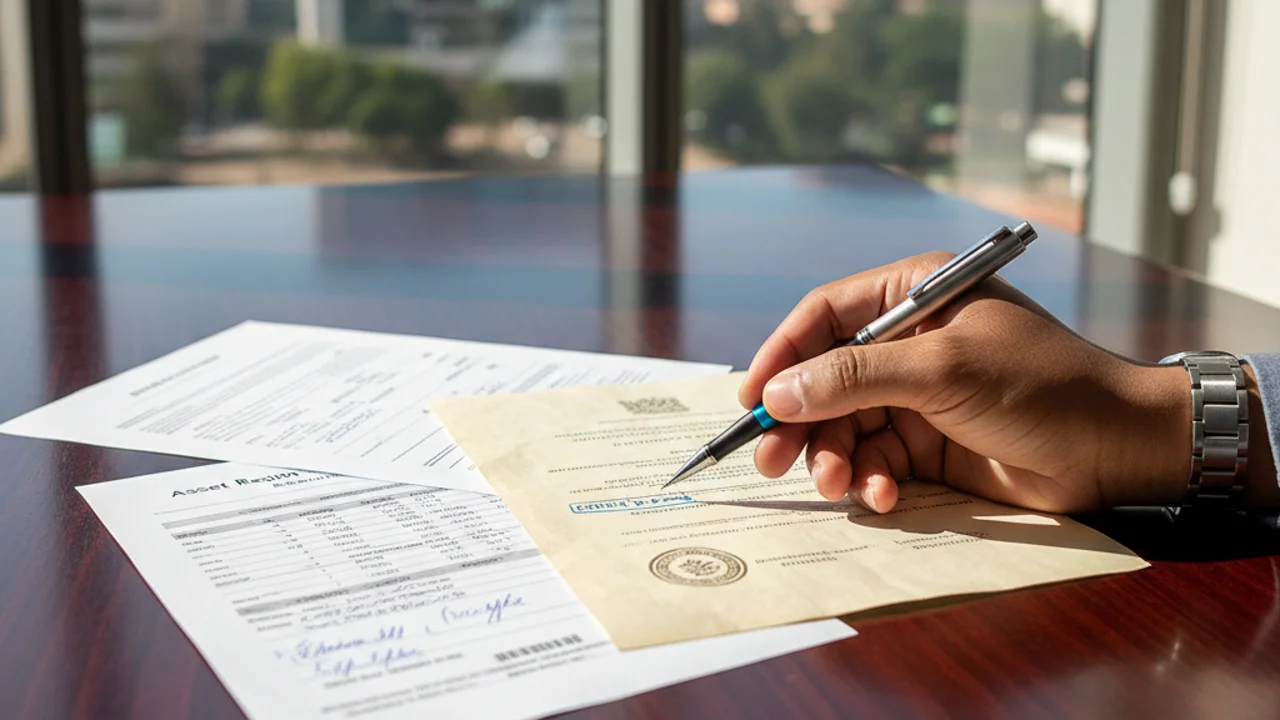
The repossession legal requirements mandate a structured process. For movable assets under the MPSR Act (2017), the secured creditor must first serve a Notice of Default to the debtor, providing a grace period (usually 10 days) to remedy the default. If the default persists, a Notice of Intention to Repossess is then served, allowing another specified period (e.g., 7 days) before actual repossession can occur. Only after these statutory notices expire can a licensed auctioneer or agent physically repossess the asset. The repossession must be conducted peacefully and without breach of the peace. The auctioneer must issue an inventory of the repossessed goods. For immovable property, the Land Act (2012) requires much longer notice periods—typically a three-month notice of intention to sell, followed by a further one-month notice of actual sale, before exercising the statutory power of sale.
Crucial compliance aspects include ensuring all notices are correctly drafted, properly served, and that the specified cure periods have fully elapsed. The asset must be repossessed by a licensed auctioneer holding a valid practicing certificate issued by the Auctioneers Board. Comprehensive documentation, including the loan agreement, security agreement, demand letters, and all statutory notices, must be in order. Post-repossession, the asset is typically valued and then disposed of, usually through a public auction, with specific rules governing advertising and sale under the Auctioneers Act. Swipe Recoveries Experts Ltd expertly manages every detail of this complex process, ensuring that all repossession legal requirements are met to avoid legal complications and ensure a smooth and lawful asset recovery.
Estimated Costs and Fees for Repossession in KES

The cost implications for repossession legal requirements in Kenya can vary based on the asset type, location, and complexity of the case. Generally, expenses include fees for legal notices, auctioneer services, valuation, transport, and storage. For movable assets, issuing statutory notices can cost between KES 5,000 to KES 15,000. Auctioneer fees for physical repossession and subsequent sale are regulated by the Auctioneers Act; they typically charge a percentage of the asset's value or sale proceeds, often around 2% - 5% of the value, plus out-of-pocket expenses for transport (e.g., car carrier costs within Nairobi from KES 10,000 to KES 25,000), storage (KES 500 - KES 2,000 per day, depending on asset size), and advertising.
Valuation fees for assets before auction generally range from 0.5% to 1% of the asset's value. Should court intervention be necessary, legal fees can accrue significantly, often starting from KES 50,000 for basic applications. Swipe Recoveries Experts Ltd provides transparent fee structures, often working on a success-based model for the recovery portion, with clear breakdowns of all anticipated costs. Our aim is to conduct repossessions cost-effectively while strictly adhering to all repossession legal requirements, providing you with a clear financial picture and maximising your net recovery. Contact us for a detailed quote tailored to your specific asset recovery needs in Nairobi and across Kenya.