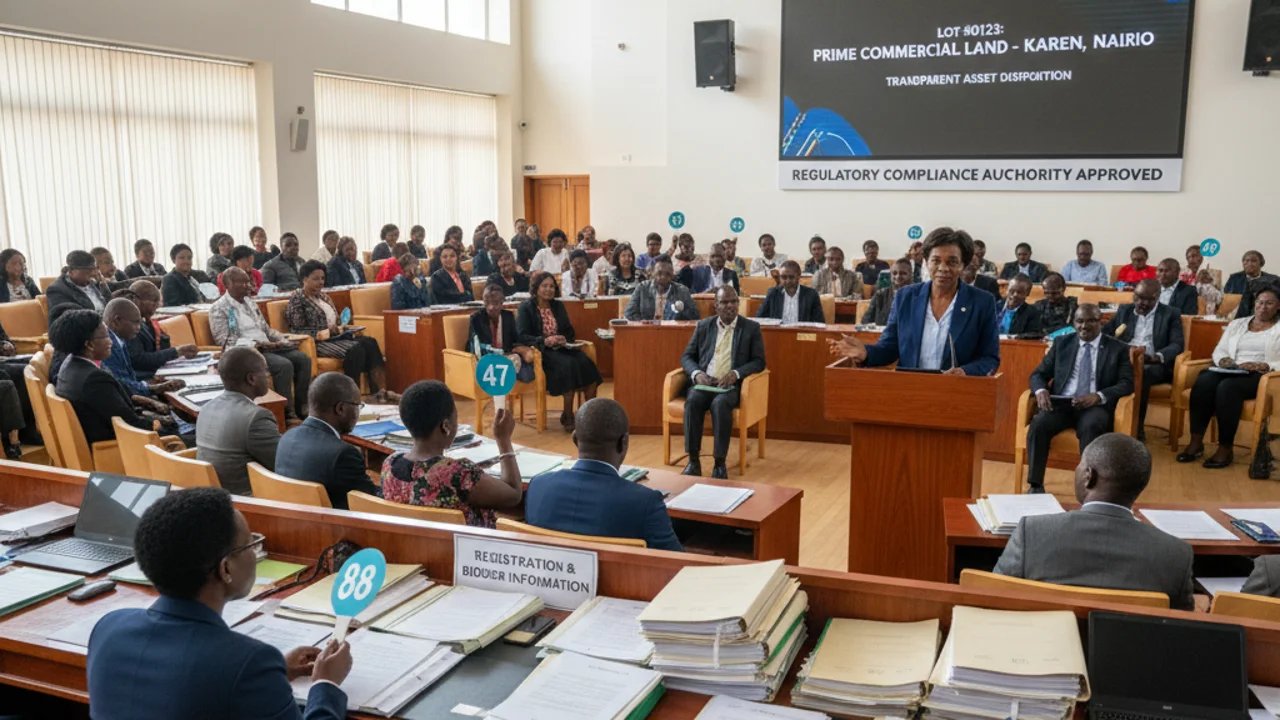
Enforcing Your Rights Through Legal Channels
When standard collection methods are exhausted, engaging a legal collection agency in Nairobi provides the necessary leverage to compel payment. This step signifies a formal escalation, moving from polite reminders to legally enforceable actions. Swipe Recoveries Experts Ltd specialises in this critical phase of debt recovery. We seamlessly integrate pre-legal negotiation with a robust legal strategy, ensuring every action taken is compliant with the Kenyan legal framework, including the Civil Procedure Act. Our goal is to utilise the power of the law to secure your funds, whether through a demand letter with legal weight or by initiating proceedings at the Milimani Law Courts.
Regulatory Compliance: The Foundation of Legal Collections
Operating as a legal collection agency in Nairobi requires strict adherence to a complex regulatory environment. The process is not about threats, but about leveraging the law correctly. Key statutes include the Advocates Act, which governs who can perform legal work, and the Civil Procedure Act, which outlines the rules for filing and prosecuting a civil claim. While we are not a law firm, we work with a network of qualified legal partners and have an in-house team proficient in legal procedures. This collaborative approach ensures that when we issue a 'Letter of Demand Before Action,' it is drafted to meet legal standards and serves as a valid precursor to court action.
Furthermore, all our actions are compliant with the Data Protection Act, 2019, ensuring that debtor information is handled with the required confidentiality and legality. This commitment to compliance is non-negotiable; it protects our clients from potential counter-claims and ensures the integrity of the collection process. We differentiate ourselves by understanding these legal boundaries and operating professionally within them, making us a trusted partner for businesses that require a firm but fair approach to debt recovery.

The Legal Escalation Pathway: From Demand to Judgment
Our legal escalation process is methodical and designed for maximum impact. The first formal step is the issuance of a Demand Letter Before Action. This is a final formal warning to the debtor, drafted with legal precision, stating the exact amount owed, a final deadline for payment, and the clear consequence of legal action if the deadline is missed. This step alone often prompts payment from debtors who previously ignored standard requests.
If the demand letter is ignored, we proceed to the next stage in consultation with you. For debts up to KES 1 Million, we facilitate filing a claim in the Small Claims Court, which is designed for quick and affordable resolution. For larger or more complex debts, a plaint is filed in the appropriate Magistrates' Court or the High Court. Our role is to prepare all necessary documentation—contracts, invoices, witness statements—to build an irrefutable case. Once a court judgment is obtained in your favour, it becomes a legally binding order. We then move to the final phase: execution. This involves obtaining warrants of attachment and sale from the court, which empower a licensed auctioneer to seize and sell the debtor's assets to satisfy the debt.
Debt Recovery & Auctioneering Coverage in Nairobi, Kenya
Swipe Recoveries Experts Ltd provides commercial recovery, skip tracing, and auctioneering services across Nairobi, Kenya and all 47 counties in Kenya.
Cost Implications of Legal Debt Recovery in Nairobi (KES)

Pursuing legal debt recovery involves specific costs, and we believe in full transparency. The expenses can be broken down into three main categories. First are the Court Filing Fees, which are determined by the judiciary based on the value of your claim. For example, filing a claim of KES 500,000 in the Small Claims Court has a nominal filing fee of around KES 1,000, while a High Court claim of KES 5 million would have significantly higher fees.
Second are the Advocate's Fees, which are incurred when a lawyer is formally engaged to represent you in court. These fees are guided by the Advocates' Remuneration Order. We work to manage these costs effectively through our legal partnerships. The third category includes Execution Costs, such as auctioneer's fees and storage costs for attached goods, which are payable to enforce the judgment. While these costs are an investment, they are often recoverable from the debtor as part of the final judgment award. Our initial commission-based fee for pre-legal work remains, but any legal disbursements are discussed and approved by you beforehand.