Transforming Legal Judgments into Tangible Recoveries
A writ of execution is a critical legal instrument in Kenya, empowering judgment creditors to enforce court orders and recover outstanding debts or assets from recalcitrant judgment debtors. At Swipe Recoveries Experts Ltd, located at International Life Hse, 8th Floor, Mama Ngina Street, Nairobi, we specialize in guiding clients through the intricate process of obtaining and executing these vital court instruments. Understanding the nuances of the Civil Procedure Act (Cap 21) and Order 22 of the Civil Procedure Rules is paramount for successful enforcement. Our expertise ensures that every step, from application to asset realization, is handled with precision, legality, and utmost efficiency, turning your legal victories into actual financial recoveries. We navigate the complexities, so you don't have to.
Legal Framework and Types of Writs of Execution in Kenya
The concept of a writ of execution in Kenya is firmly anchored in the Civil Procedure Act (Cap 21), specifically detailed in Order 22 of the Civil Procedure Rules. This legal framework provides the statutory basis for judgment creditors to enforce decrees and orders issued by Kenyan courts. The primary type of writ commonly utilized is the Warrant of Attachment and Sale, which authorizes a court broker or licensed auctioneer to seize the movable or immovable property of a judgment debtor. Movable property, such as vehicles, machinery, or household goods (chattels), is typically targeted first. If insufficient, immovable property like land or buildings may be attached and sold, subject to specific legal procedures under the Land Act (2012).
Beyond direct attachment and sale, other enforcement mechanisms, though not strictly ‘writs of execution’ but serving similar purposes, include Garnishee Orders, which attach debts owed by a third party to the judgment debtor (e.g., bank accounts), and Prohibitory Orders, preventing the debtor from disposing of specified assets. The proper issuance and execution of any writ demand strict adherence to the Auctioneers Act (Cap 526) and the Auctioneers Rules, which govern the conduct of auctioneers and the sale of attached property. Swipe Recoveries Experts Ltd ensures full compliance with all these legal provisions, offering comprehensive support for securing and enforcing the appropriate writ for your specific recovery needs.

The Process of Obtaining and Executing a Writ of Execution
Obtaining and executing a writ of execution in Kenya involves several precise procedural steps, which Swipe Recoveries Experts Ltd meticulously manages for its clients. The process begins with the existence of a valid court judgment or decree. The judgment creditor, or their legal representative, then applies to the issuing court (e.g., the High Court of Kenya or a Magistrates' Court) for the issuance of the specific warrant of execution. This application requires submitting the original decree, an affidavit verifying the outstanding amount, and an application form specifying the mode of execution (e.g., attachment of movable property).
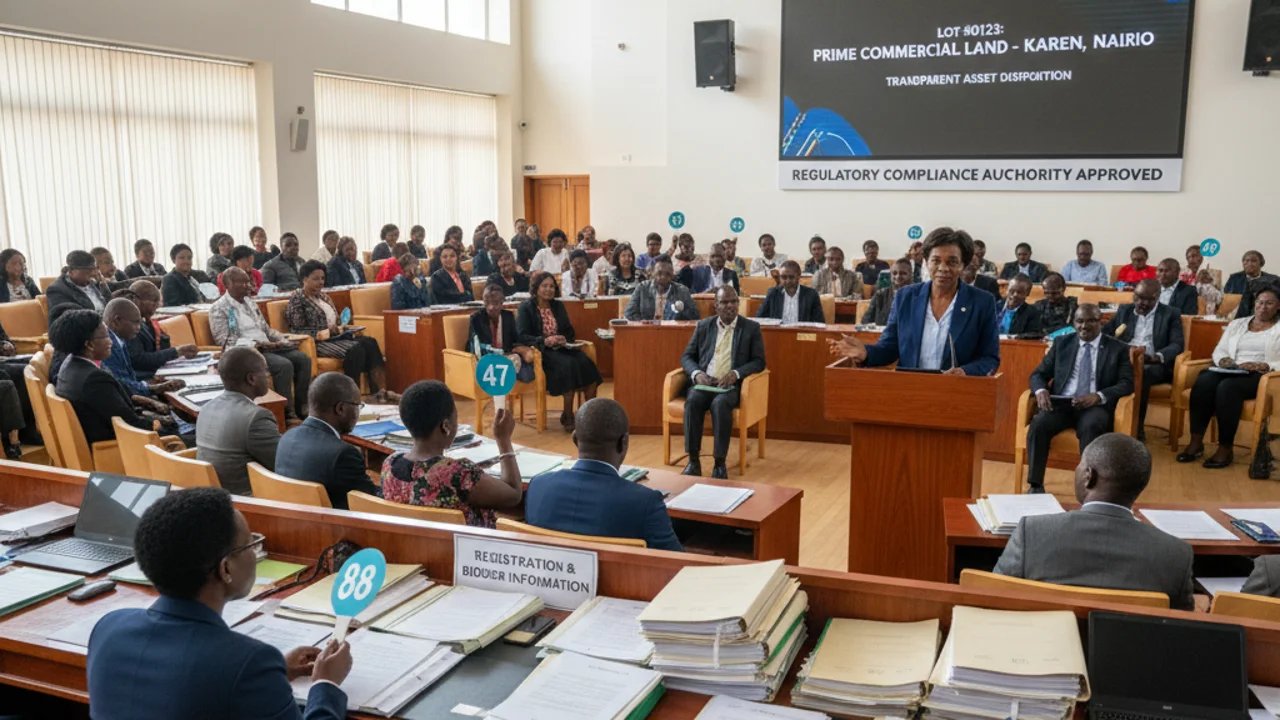
Once the court issues the warrant of attachment and sale, it is entrusted to a licensed auctioneer, who then proceeds to identify and attach the judgment debtor's property. This stage demands careful adherence to the Auctioneers Rules, including providing proper notification to the debtor and preparing an inventory of attached items. The auctioneer then issues a proclamation of sale, advertising the upcoming auction and stipulating a legal notice period, typically 7 to 14 days for movable property. If the debt remains unpaid, the attached assets are publicly auctioned, with proceeds used to satisfy the judgment debt, court fees, and auctioneer's charges. Our team proactively traces assets and navigates any challenges, such as interpleader proceedings, where third parties claim ownership of attached property, ensuring a robust enforcement process.
Costs, Fee Expectations, and Practical Guidance for Execution

Understanding the financial implications of obtaining and executing a writ of execution in Kenya is crucial. Swipe Recoveries Experts Ltd provides clear and transparent cost breakdowns. The fees generally comprise court filing fees for the warrant, which typically range from KES 5,000 to KES 15,000, depending on the court and the value of the judgment. The most significant portion of the cost relates to the auctioneer's fees. As per the Auctioneers Rules, these fees are statutory and are usually a percentage of the recovered amount or the value of the goods seized and sold. For instance, commission on proceeds from the sale of movable property often ranges from 5% to 10%, with an additional scale for immovable property.
Beyond commission, there are actual expenses (disbursements) incurred by the auctioneer, such as transport costs, storage fees for attached goods, advertising costs for the auction, and security fees. These can amount to an additional KES 10,000 to KES 50,000+, depending on the scope. A retainer fee may be required upfront to cover initial court fees and auctioneer mobilization. Practical guidance for clients includes providing comprehensive details of the judgment debtor, their known addresses, and any information about their assets to expedite the process and minimize costs. Our team at International Life Hse, Mama Ngina Street, Nairobi, offers expert advice to help you navigate these costs efficiently while maximizing your recovery under the writ of execution.