Mastering Individual Debt Enforcement for Creditors
When facing unpaid dues from individuals, efficient individual debt enforcement becomes paramount. Swipe Recoveries Experts Ltd specialises in robust and legally compliant strategies to recover debts owed by private individuals across Kenya. Operating from our central Nairobi offices at International Life Hse, 8th Floor, Mama Ngina Street, we guide clients through the intricate legal landscape of personal debt recovery, ensuring that judgments are not merely obtained but effectively enforced. Our team navigates the complexities of the Civil Procedure Act and other relevant statutes to achieve maximum recovery for you.
Legal Frameworks Governing Individual Debt Enforcement in Kenya
The process of individual debt enforcement in Kenya is meticulously governed by a suite of statutory provisions designed to protect both creditors and debtors. The cornerstone is the Civil Procedure Act (Cap 21), which details the entire litigation process, from filing a claim in either the Magistrates' Courts or the High Court of Kenya to the various methods of judgment execution. This includes procedures for obtaining a final judgment and then pursuing the judgment debtor's assets. Another critical statute is the Limitations of Actions Act (Cap 22), which dictates the period within which a creditor can legally initiate a debt recovery suit; generally, six years for contractual debts, but this can vary. Failing to act within these statutory timelines can permanently bar a claim.
Furthermore, the Insolvency Act (No. 18 of 2015) is highly relevant, particularly its provisions on personal insolvency and bankruptcy. If an individual debtor is unable to meet their financial obligations, a bankruptcy petition may be filed, leading to the appointment of an Official Receiver or an insolvency practitioner to manage and distribute the debtor's assets among creditors. While complex, this can sometimes be the only viable route for recovery. Additionally, specific regulations under the Auctioneers Act (Cap 526) are crucial for the lawful attachment and sale of a debtor's property. Swipe Recoveries Experts Ltd meticulously applies these legal frameworks to craft tailored and effective individual debt enforcement strategies, ensuring all actions are legally sound and maximise recovery potential.

Key Procedures and Compliance in Individual Debt Enforcement
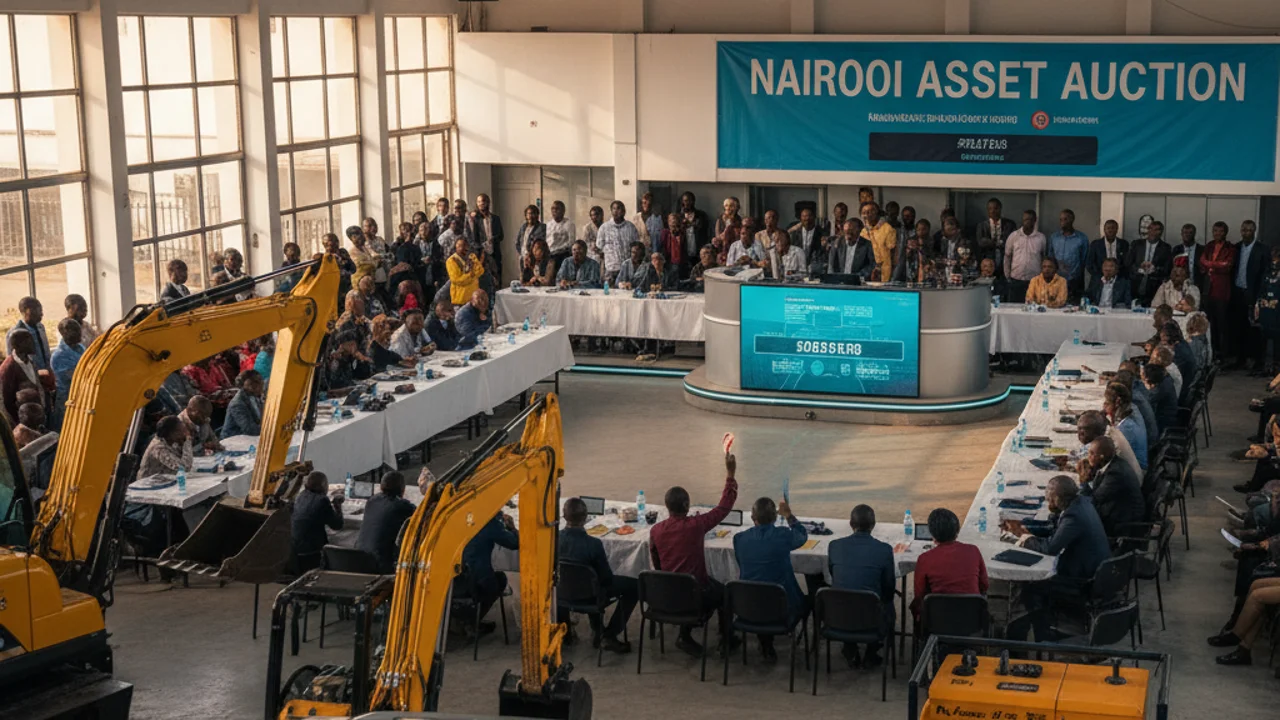
Successfully executing individual debt enforcement involves a series of sequential, legally mandated procedures. Once a judgment has been obtained, the focus shifts to various execution methods. One common method is a garnishee order, which allows a creditor to directly obtain funds from a third party (often a bank) holding money for the judgment debtor. Another powerful tool is the attachment of assets, where the debtor's movable property (like vehicles, furniture) or immovable property (land, buildings) is seized and sold through a public auction conducted by licensed auctioneers. For this, a Writ of Attachment and Sale is issued by the court, followed by a levy by the auctioneer.
Compliance throughout these procedures is non-negotiable. This includes proper service of all court documents, adherence to notice periods, and ensuring that the execution method chosen is appropriate and lawful for the specific debt and debtor's circumstances. For example, for wages, deductions are regulated by the Employment Act and generally limited. In cases of persistent non-compliance or evasion, a notice to show cause why the debtor should not be committed to civil jail (though civil jail is rare and strictly governed) might be considered, though less common today. Swipe Recoveries Experts Ltd, located conveniently in Nairobi, excels in navigating these complex legal pathways. We manage the full spectrum of execution processes, from drafting precise affidavits for garnishee applications to coordinating with trusted bailiffs and auctioneers, providing comprehensive support for individual debt enforcement to ensure a high rate of successful recovery.
Costs and Fees Associated with Individual Debt Enforcement (KES)

Understanding the costs involved in individual debt enforcement is crucial for creditors in Kenya. The expenses typically begin with court filing fees, which are variable depending on the amount of the debt and the specific court (Magistrates' Court or High Court) where the case is filed. These can range from a few thousand shillings (e.g., KES 1,000 – KES 5,000 for minor claims) to tens of thousands for larger claims. Following a successful judgment, additional court fees apply for initiating execution proceedings, such as applications for garnishee orders or warrants of attachment.
Advocate fees represent another significant component. These are determined by the complexity of the case, the amount in dispute, and the stage of proceedings, often guided by the Advocates (Remuneration) Order. Fees can range from KES 50,000 to KES 250,000+ for the entire process, depending on whether it's contested and how many enforcement actions are required. Beyond legal counsel, there are fees for process servers (typically KES 2,000 – KES 10,000 per service) and, importantly, auctioneer fees. Auctioneers charge a percentage of the recovered amount, usually ranging from 2.5% to 5% on the first KES 1,000,000 and a lower percentage on subsequent amounts, as stipulated by the Auctioneers Rules. Swipe Recoveries Experts Ltd provides a transparent breakdown of these anticipated costs, ensuring clarity and helping you budget effectively for your individual debt enforcement efforts, striving for cost-efficient and successful outcomes.