Understanding Civil Debt Enforcement in Kenya
When faced with unpaid obligations, understanding civil debt enforcement in Kenya is paramount for creditors seeking to recover their dues. This process involves a series of legal steps designed to compel a debtor to fulfill a court-ordered judgment. Swift and strategic action, guided by seasoned experts like Swipe Recoveries Experts Ltd, is crucial for navigating the complexities of the Kenyan legal system, ensuring that judgments obtained are effectively executed and debts are recovered efficiently. Our dedicated team provides comprehensive solutions, from initial demand to final asset seizure, ensuring your interests are protected throughout.
Key Legal Frameworks and Principles Governing Civil Debt Enforcement in Kenya
Civil debt enforcement in Kenya is primarily governed by the Civil Procedure Act (Cap 21, Laws of Kenya) and its subsidiary Civil Procedure Rules, which outline the mechanisms for obtaining and executing court decrees. Complementing these are the Limitations of Actions Act (Cap 22), which sets time limits for initiating legal proceedings, and the Insolvency Act (No. 18 of 2015), relevant for situations involving corporate winding-up or individual bankruptcy. These statutory frameworks provide the foundation upon which creditors, known as Decree Holders, can pursue assets from Judgment Debtors to satisfy outstanding obligations. Understanding these laws is critical for effective recovery.
The enforcement process typically begins once a court has issued a judgment and subsequently a decree, which is a formal order stating the rights of the parties. Without a valid decree, enforcement actions cannot commence. The Law Society of Kenya (LSK) upholds professional standards for advocates who play a crucial role in advising and representing clients through these intricate legal stages. Swipe Recoveries Experts Ltd, situated at International Life Hse, 8th Floor, Mama Ngina Street, Nairobi, leverages deep expertise in these legal provisions to devise robust enforcement strategies tailored to each client's specific circumstances, ensuring compliance and maximizing recovery rates in the Kenyan judicial system.

The Step-by-Step Process of Civil Debt Enforcement: From Demand to Decree Execution
The journey of civil debt enforcement in Kenya begins long before court action. Initially, a formal demand letter is sent to the debtor, outlining the debt and demanding payment. If ignored, the creditor files a Plaint and Summons to Enter Appearance in the appropriate court – ranging from Small Claims Court for amounts up to KES 1 million, to Magistrate Courts or the High Court's Commercial & Tax Division depending on the claim value. Once a judgment is obtained, it culminates in a Decree.
Execution of a decree involves several methods. Common options include Garnishee Orders, which direct third parties (like banks) holding money for the debtor to pay the creditor directly. Another powerful tool is the Attachment and Sale of Movable or Immovable Property, where a court-appointed auctioneer, licensed under the Auctioneers Act, sells the debtor's assets to satisfy the debt. For corporate debtors, a Winding Up Petition under the Insolvency Act can be initiated, while individuals may face bankruptcy proceedings. Each step, from the issuance of a Writ of Attachment to the final sale, requires meticulous legal and procedural adherence. Swipe Recoveries Experts Ltd meticulously manages this entire process, ensuring every legal avenue is explored and executed with precision to secure your financial recovery.
Costs, Timelines, and Practical Considerations for Civil Debt Enforcement in Kenya
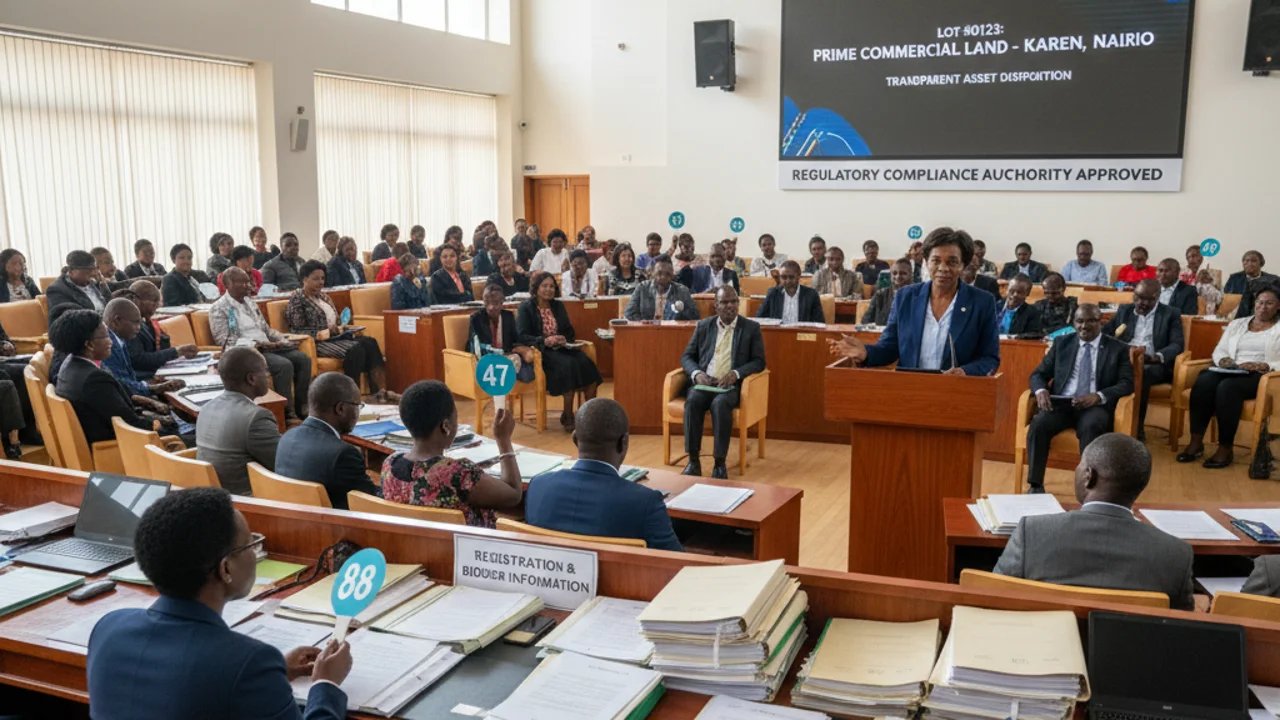
The costs associated with civil debt enforcement in Kenya can vary significantly depending on the complexity of the case, the court involved, and the enforcement methods employed. Typical expenses include court filing fees (ranging from KES 1,000 for small claims to KES 10,000+ for High Court matters), advocate fees (often negotiated, but can be 10-20% of the recovered amount or a fixed fee per stage, potentially KES 50,000 to KES 500,000+ for complex cases), process server fees (KES 2,000 - KES 5,000 per service), and auctioneer fees (regulated percentages, usually 2.5% to 5% of the value of goods sold). It is crucial to have a clear understanding of these costs upfront.
Timelines are equally variable; a straightforward Small Claims Court matter might conclude in 3-6 months, while High Court cases involving complex disputes and multiple appeals can extend to several years. Factors like the debtor's financial position, location of assets, and willingness to cooperate all influence the duration. Swipe Recoveries Experts Ltd, located in Nairobi, provides transparent estimates and manages expectations, advising clients on the most cost-effective and timely enforcement strategies. We conduct thorough asset searches and skip tracing to identify viable recovery avenues, ensuring your investment in civil debt enforcement yields the best possible results.