Mastering the Legalities of Debt Recovery in Kenya
Understanding the intricacies of the debt collection legal process in Kenya is paramount for creditors seeking to recover outstanding funds ethically and effectively. This process is governed by specific statutory frameworks and judicial procedures designed to ensure fairness while enabling efficient recovery. From initial demand letters to securing and executing judgments, each step requires meticulous adherence to the law. Swipe Recoveries Experts Ltd specialises in guiding clients through this complex landscape, ensuring compliance with all relevant regulations and leveraging strategic approaches to maximise recovery rates. Our expertise is your assurance of navigating the legal maze with confidence and achieving tangible results.
Key Legal Frameworks and Stages of Debt Collection

The debt collection legal process in Kenya is primarily regulated by the Civil Procedure Act Cap 21 and the accompanying Civil Procedure Rules (2010), which govern the conduct of civil cases in the High Court and subordinate courts. Initial stages typically involve sending formal demand letters, which serve as a statutory notice of intent to sue. If the debt remains unpaid, the creditor proceeds to file a suit in the appropriate court; for liquidated demands, a summary procedure might be available. The Insolvency Act (2015) also plays a crucial role, providing mechanisms for corporate and individual insolvency proceedings, which can be a pathway for debt recovery when other avenues fail. Compliance with these frameworks is non-negotiable, as procedural errors can lead to delays or dismissal of a claim. The Law Society of Kenya provides ethical standards for legal practitioners, safeguarding the integrity of the process.
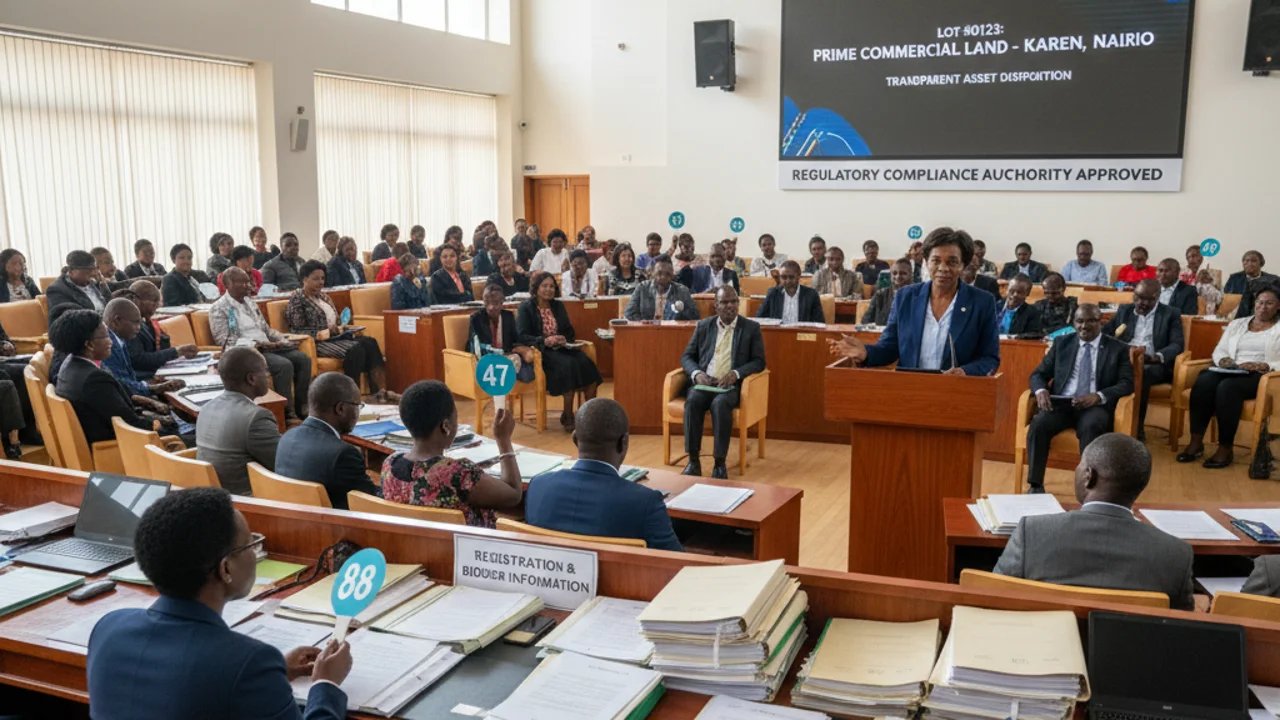
Upon obtaining a favourable judgment, the focus shifts to execution. The primary methods of execution include attachment and sale of movable or immovable property, garnishee proceedings (to attach funds held by third parties, typically banks), and committal to civil jail in certain circumstances. The Auctioneers Act Cap. 526 dictates the conduct of auctioneers involved in the attachment and sale of property, ensuring transparency and adherence to prescribed procedures. For secured debts, specific statutes such as the Land Act (2012) and the Moveable Property Security Rights Act (2017) prescribe detailed procedures for realizing collateral. Swipe Recoveries Experts Ltd possesses in-depth knowledge of these statutes, ensuring that every phase of the debt collection legal process is executed with precision, from the initial demand to the final execution of judgment.
Step-by-Step Debt Collection Procedures and Documentation
The debt collection legal process typically follows a structured sequence. It commences with Pre-Litigation Efforts, where Swipe Recoveries issues formal demand letters to the debtor. These letters detail the outstanding amount, basis of the debt, and a deadline for payment, often citing relevant contractual terms or statutory provisions. If pre-litigation efforts are unsuccessful, the next step is Filing a Civil Suit. This involves drafting and filing a plaint and other requisite court documents with the relevant Kenyan court (Magistrate's Court or High Court) depending on the pecuniary jurisdiction. Proper service of summons and pleadings to the debtor is critical, usually facilitated by a licensed process server, ensuring the debtor is legally notified of the proceedings.
Once the debtor files a defence or fails to appear, the matter proceeds to Hearing and Judgment. If the court finds in favour of the creditor, a judgment is issued. The final and often most challenging stage is Execution of Judgment. This involves applying for various orders to enforce the judgment, such as a Warrant of Attachment and Sale of property, Garnishee Orders against bank accounts, or Winding-Up Petitions for companies under the Insolvency Act (2015). Throughout these steps, meticulous documentation, including loan agreements, invoices, statements of account, and all correspondence, is essential. Swipe Recoveries Experts Ltd excels in preparing and presenting comprehensive documentation, ensuring each procedural requirement within the debt collection legal process is met to secure a favourable outcome.
Cost Implications and Expert Guidance in KES
The costs associated with the debt collection legal process in Kenya are influenced by several factors, including the debt amount, the complexity of the case, and the stage at which recovery is achieved. Initial pre-litigation demand letters might cost between KES 5,000 to KES 20,000. Should litigation be pursued, court filing fees typically range from KES 2,000 to KES 10,000+ depending on the claim value, with legal fees for representation varying widely, from KES 50,000 for straightforward cases to several hundreds of thousands for complex litigation, often structured as a percentage of the recovered sum or hourly rates. Process server fees are generally KES 2,000 to KES 5,000 per service within Nairobi.
Execution costs, if necessary, add further expenses. For example, auctioneer fees for attachment and sale are prescribed by the Auctioneers Act and typically involve a commission of 2% - 5% of the proceeds from the sale of attached goods, plus transport and storage. Swipe Recoveries Experts Ltd offers transparent fee structures, including contingency-based models where our success fee, typically 10% to 25% of the recovered amount, aligns directly with your recovery. Located at International Life House, Mama Ngina Street, Nairobi, we provide a clear breakdown of potential costs and tailored strategies to navigate the entire debt collection legal process efficiently and cost-effectively, ensuring you understand every financial aspect.