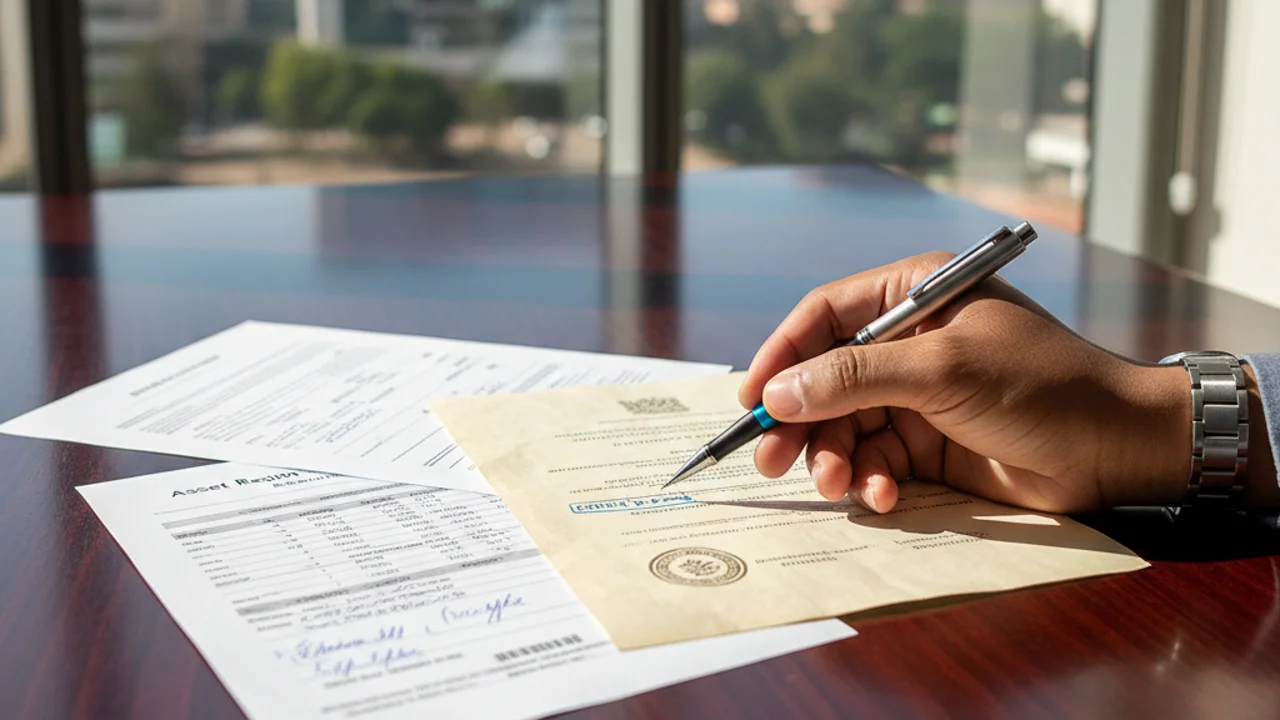
Identifying and Preventing Cheque Fraud
Detecting cheque fraud is a critical skill for businesses and individuals alike, protecting them from significant financial losses. Swipe Recoveries Experts Ltd specializes in providing advanced solutions to identify and combat cheque fraud. Our expertise lies in meticulously examining cheques for subtle signs of alteration, forgery, or other fraudulent activities that can be easily missed. We leverage cutting-edge technology and a deep understanding of financial transaction patterns to offer robust fraud detection services. Our commitment is to help you safeguard your assets by uncovering suspicious activities before they lead to substantial damage, ensuring you receive results that matter.
Understanding the Mechanisms of Cheque Fraud
Cheque fraud encompasses a range of illicit activities aimed at deceiving individuals or institutions for financial gain through the misuse of cheques. Common methods include forged signatures, where a cheque is signed by someone unauthorized; altered payees or amounts, where details on a legitimate cheque are changed; and the use of stolen chequebooks, where cheques are used without the account holder's knowledge or consent. Counterfeit cheques, entirely fabricated to mimic legitimate ones, also pose a significant threat.
The motive behind these acts is always financial gain, exploiting the trust inherent in cheque-based transactions. The ease with which cheques can be physically handled and potentially altered makes them a persistent target for fraudsters. Understanding these modus operandi is the first step in effective detection. Swipe Recoveries Experts Ltd's analysts are trained to recognize the tell-tale signs of each type of cheque fraud, from minute inconsistencies in handwriting or printing to patterns of irregular cheque usage. Our knowledge of the Bills of Exchange Act and best practices in financial crime prevention allows us to provide a comprehensive defence against these sophisticated threats.

Practical Steps and Tools for Detecting Cheque Fraud
Effectively detecting cheque fraud requires a combination of vigilance, robust procedures, and specialized tools. The first line of defence involves a thorough visual inspection of every cheque. Look for signs of tampering, such as inconsistencies in ink, raised edges indicating alterations, or discrepancies in the handwriting of the signature compared to known samples. Examine the date, payee, and amount carefully for any signs of erasure or overwriting.
Beyond visual inspection, implementing strong internal controls is crucial. This includes proper segregation of duties in handling cheques, regular reconciliation of bank statements, and meticulous record-keeping. For businesses, utilizing cheque verification services or software that can cross-reference cheque details against databases of known fraudulent instruments can provide an additional layer of security. Swipe Recoveries Experts Ltd goes a step further by employing forensic examination techniques, including UV light analysis, microscopic examination, and comparison with genuine cheque stock characteristics. Our process involves cross-referencing transactions with account activity patterns to flag suspicious cheques that might otherwise pass initial inspection. By combining these proactive measures with our expert analysis, we significantly enhance your ability to detect cheque fraud before it impacts your finances.
Costs Associated with Cheque Fraud and Recovery Services

The financial impact of cheque fraud can be substantial, encompassing not only the value of the fraudulent cheque but also the associated costs of investigation, legal fees, and potential loss of business reputation. The direct loss is the amount of money transferred through the fraudulent instrument. However, the indirect costs can escalate rapidly. These include the time and resources spent on internal investigations, fees paid to external investigators like Swipe Recoveries Experts Ltd, legal expenses for recovery actions, and potential penalties or fines if compliance failures are involved.
At Swipe Recoveries Experts Ltd, our fee structure for cheque fraud detection and recovery is designed to be competitive and transparent. We often operate on a success-fee basis, meaning our remuneration is directly tied to the amount of funds we successfully recover for you. This aligns our interests perfectly with yours. An initial consultation allows us to assess the complexity of your situation and provide a tailored quotation, which may include a nominal retainer to cover initial investigative efforts. While specific percentages vary based on case complexity and jurisdiction (e.g., within Kenya), clients can expect a clear breakdown of costs with no hidden surprises, ensuring you understand the investment required for a robust defence against cheque fraud.