Managing & Recovering Non-Performing Loan Portfolios
Effective portfolio recovery Kenya's financial institutions can depend on is the backbone of sound risk management and financial health. With the persistent challenge of Non-Performing Loans (NPLs) impacting balance sheets, a strategic, large-scale recovery partner is no longer a luxury but a necessity. Managing an entire portfolio of delinquent debt requires more than just a collections department; it demands data analytics, segmented strategies, and a deep understanding of the regulatory environment, including the Central Bank of Kenya (CBK) Prudential Guidelines. Swipe Recoveries Experts Ltd specializes in providing this strategic partnership, helping banks, microfinance institutions, and SACCOs turn dormant NPLs into liquid assets.
The NPL Challenge for Kenyan Financial Institutions
Non-Performing Loans (NPLs) pose a significant threat to the stability and profitability of lenders in Kenya. A high NPL ratio can lead to increased provisioning requirements as per IFRS 9 standards, which directly impacts an institution's profitability. It also ties up capital that could otherwise be used for new lending, stifling growth. For institutions regulated by the Central Bank of Kenya (CBK) or the Sacco Societies Regulatory Authority (SASRA), maintaining the NPL ratio below the prescribed thresholds of the Prudential Guidelines is a critical compliance issue.
In-house recovery teams, while valuable, are often overwhelmed by the sheer volume and complexity of a large delinquent portfolio. They may lack the specialized skills for certain recovery actions, such as nationwide skip tracing, complex asset searches, or managing the intricate legalities of auctioneering. This is where a specialized partner becomes invaluable. An external firm dedicated to portfolio recovery in Kenya can bring focused expertise, advanced technology, and economies of scale to the problem, significantly improving recovery rates and allowing the financial institution to focus on its core business.

Our Data-Driven Approach to Portfolio Recovery
Swipe Recoveries Experts Ltd tackles portfolio recovery with a strategic, data-driven methodology designed for maximum impact. Our process is not about making random calls; it's a calculated system to optimize results.
1. Portfolio Analysis and Segmentation: We begin by ingesting your debt portfolio data and using analytical tools to segment it. Debts are categorized based on criteria such as age, balance size, debtor profile, location, and previous payment history. This segmentation allows us to move away from a one-size-fits-all approach.
2. Tailored Strategy Development: For each segment, we design a bespoke recovery strategy. For instance, newer debts with smaller balances might be assigned to a soft-touch contact centre team, while older, larger debts may be fast-tracked for skip tracing and asset recovery. High-value corporate debts receive a dedicated case manager for intensive negotiation and legal oversight.
3. Multi-Channel Execution: We deploy a range of recovery tools, including our professional call centre, field agents, legal partners, and licensed auctioneers. We also utilize 'Debt Surveillance' techniques to monitor for changes in a debtor's financial status, allowing us to re-engage at the most opportune moment.
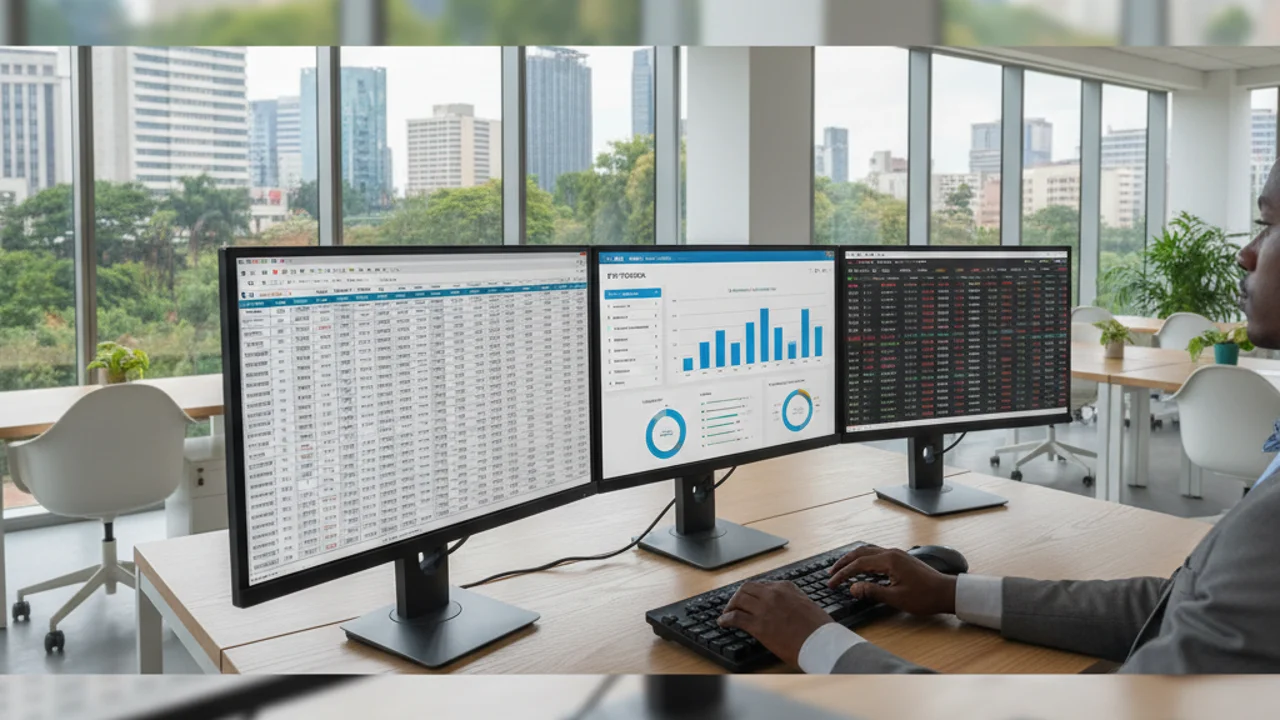
4. Transparent Reporting: We provide our clients with clear, comprehensive, and regular reports. Our dashboards show key metrics like recovery rates, funds collected, contact rates, and the status of each account, offering full transparency and accountability.
Debt Recovery & Auctioneering Coverage in Kenya
Swipe Recoveries Experts Ltd provides commercial recovery, skip tracing, and auctioneering services across Kenya and all 47 counties in Kenya.
Investment & ROI: The Cost of Portfolio Recovery

Investing in a professional portfolio recovery service delivers a strong return by converting what is often a written-off or heavily provisioned asset class back into cash flow. The pricing for managing an entire portfolio is highly customized and depends on factors like the total value of the portfolio, the average age of the debts, and the services required (e.g., call centre, legal, repossession).
The most common pricing model is a blended commission structure. This is a success-based fee, where our commission is a percentage of the total amount recovered. This rate can range from as low as 5% for very large, fresh debt portfolios to 25% or higher for older, more challenging NPL books. For certain projects, a small retainer fee may be discussed to cover initial setup and data analysis costs. We work with our clients to create a fee structure that ensures a powerful ROI and aligns our success directly with theirs.